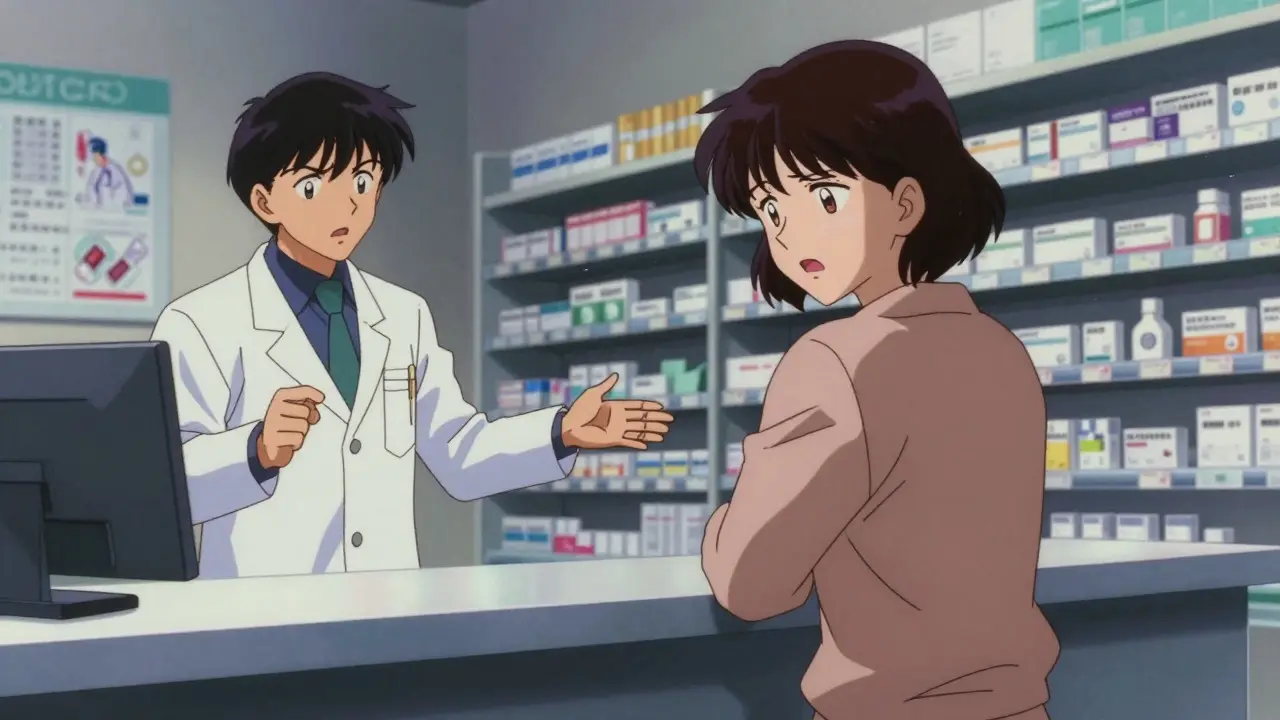
You walk into the pharmacy to pick up your blood pressure medication, only to be told it’s out of stock. Again. You might assume this is a temporary glitch-a shipping delay or a sudden spike in demand. But if you’ve been following healthcare news since 2020, you know better. This isn’t an accident; it’s a symptom of a broken system.
Generic drugs make up roughly 90% of all prescriptions filled in the United States, yet they account for only about 20% of total drug spending. They are the backbone of modern medicine, keeping healthcare costs manageable for millions. Yet, despite their critical role, generic medications are increasingly scarce. As of late 2023, the U.S. Food and Drug Administration (FDA) reported 278 active drug shortages-the highest number since tracking began in 2011-with nearly two-thirds involving generic versions of essential medicines.
So, why does this keep happening? The answer lies not in a single failure, but in a perfect storm of economic pressures, fragile global supply chains, and regulatory hurdles that have squeezed manufacturers until some simply stopped producing life-saving drugs.
The Race to the Bottom: Economics of Generic Drugs
To understand why generics are scarce, you first need to look at how little money there is to be made in producing them. Unlike branded pharmaceuticals, which enjoy patent protection and can charge premium prices, generic drugs face intense competition from day one. Once a patent expires, multiple companies rush to produce the same molecule, driving prices down rapidly.
This creates what experts call a "race to the bottom." Group Purchasing Organizations (GPOs) are entities that negotiate bulk drug purchases for hospitals and health systems. These GPOs, along with Pharmacy Benefit Managers (PBMs), award multi-million-dollar contracts based on price differences as small as one-tenth of a cent per tablet. In this environment, margins for generic manufacturers shrink from a healthy 15-20% to sometimes less than 5%. When Akorn Pharmaceuticals, once a major player, filed for bankruptcy in February 2023, it wasn't just bad luck-it was the result of years of unsustainable pricing pressure.
When margins vanish, manufacturers cut corners. They reduce staffing, delay maintenance, or even shut down production lines entirely. If a new competitor enters the market and undercuts the current producer by a fraction of a penny, the original manufacturer may exit the market completely because they can no longer cover their costs. This dynamic means that for many low-cost generics, there is often only one or two suppliers left. If one stumbles, the entire supply chain collapses.
Global Supply Chains and the API Problem
Even if a company wants to produce a generic drug in the United States, the raw materials often don’t come from here. The heart of any pill is the Active Pharmaceutical Ingredient (API)-the chemical compound that actually treats the disease. The rest is filler, binders, and coatings.
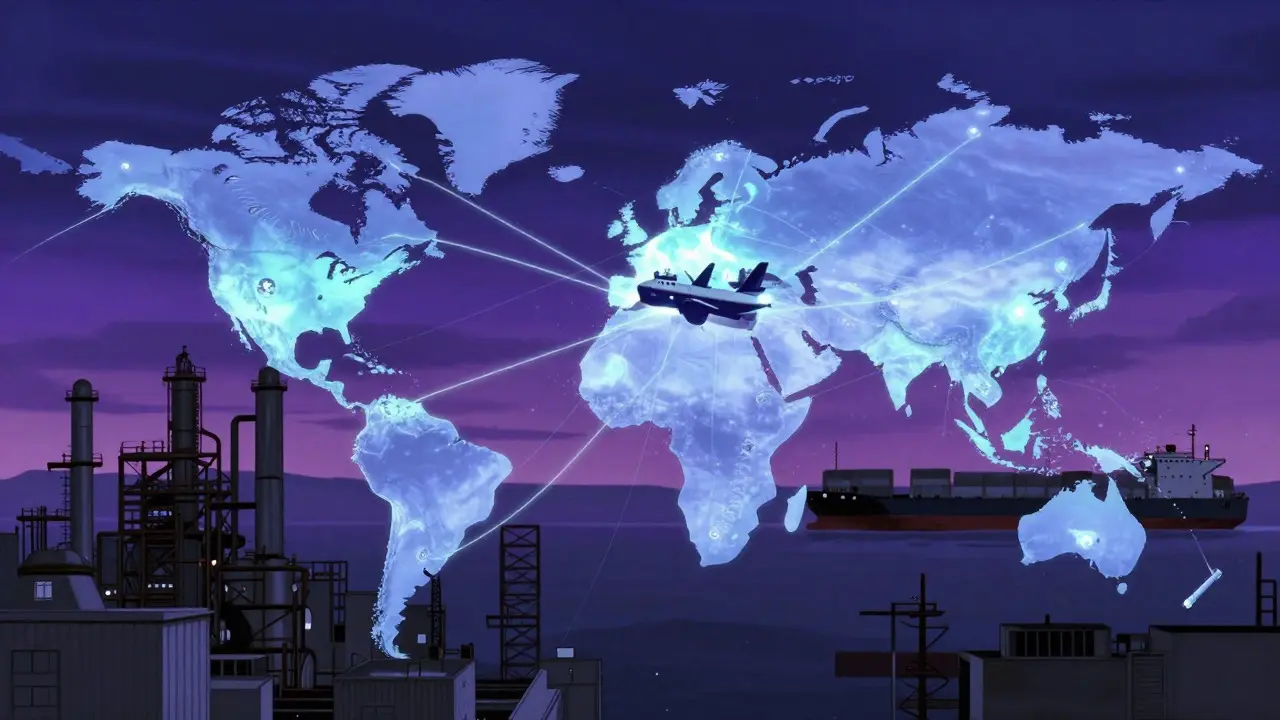
Here is the stark reality: Active Pharmaceutical Ingredients (APIs) are the biologically active components of a drug product. According to FDA data, 72% of API manufacturing facilities approved for U.S. drugs are located outside the country. For antibiotics, that figure jumps to 97%. For antivirals, it’s 92%. More than half of contract manufacturing for generics happens in India and China, where labor and operational costs are significantly lower.
| Drug Class | Percentage Sourced Abroad | Primary Source Countries |
|---|---|---|
| Antibiotics | 97% | India, China |
| Antivirals | 92% | China, India |
| Top 100 Generics | 83% | Global Mix (Majority Asia) |
| Acetaminophen Precursors | 80% | China |
This globalization creates massive vulnerability. During the early days of the pandemic, when lockdowns hit China and India, exports of essential medicines like acetaminophen were halted. Facilities became inoperable overnight. Because the supply chain spans multiple countries-API made in one place, combined with inactive ingredients in another, coated in a third, and packaged elsewhere-a disruption anywhere halts everything. There is no redundancy. There is no buffer.
Regulatory Costs and Quality Control Challenges
You might wonder why more companies don’t just build factories back in the U.S. to secure the supply chain. The short answer is cost. Establishing a new FDA-compliant manufacturing facility in the United States costs between $250 million and $500 million, with a timeline of three to five years before it opens. In contrast, setting up shop in India or China can cost as little as $50 million to $100 million.
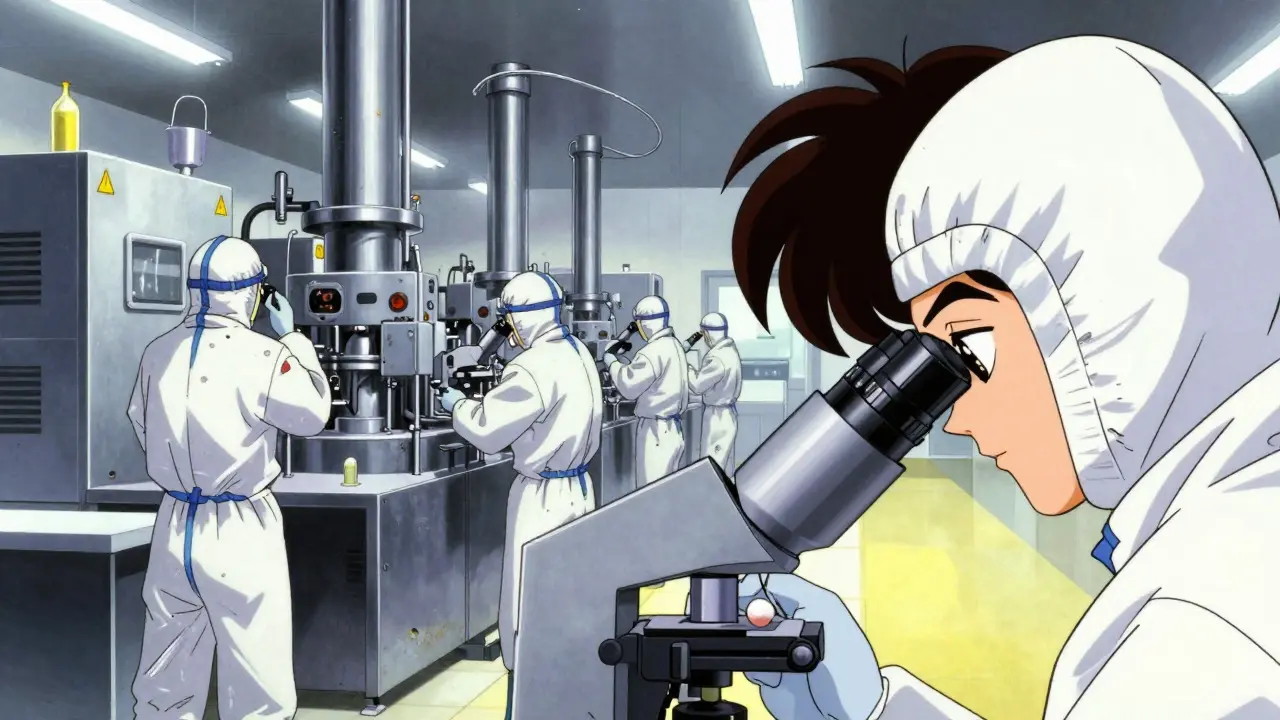
Once built, maintaining compliance is expensive and rigorous. The FDA requires manufacturers to keep documentation for five to seven years and undergoes unannounced inspections. When deficiencies are found-listed on an FDA Form 483-the corrective action process takes 12 to 18 months and costs an average of $1.7 million per facility. For a company operating on razor-thin margins, these costs are prohibitive.
This financial pressure leads to quality issues. In 2022, the FDA found "enormous and systematic quality problems" at Intas Pharmaceuticals in India, leading to the removal of cisplatin, a critical cancer drug, from the U.S. market. A 2023 study noted that generic drugs manufactured in India were associated with 54% more serious adverse events compared to identical drugs made in the U.S. While correlation doesn’t prove causation, it highlights the risk of outsourcing complex manufacturing to regions with varying levels of regulatory oversight.
Why Can’t We Just Fix It?
If the problem is clear, why hasn’t it been solved? The issue is structural. Current regulations focus heavily on price competition rather than supply chain resilience. The Federal Trade Commission has launched investigations into GPO practices, acknowledging that the current model rewards the lowest price without adequately rewarding reliability or quality.
Efforts like the CREATES Act of 2019 and the FDA’s Emerging Technology Program aim to help, but they address symptoms rather than root causes. The FDA’s Emerging Technology Program has approved 12 continuous manufacturing facilities since 2019, but these represent less than 3% of total generic production capacity. Continuous manufacturing offers better quality control and faster production, but the upfront capital investment is too high for most generic makers.
Furthermore, political will fluctuates. While bipartisan legislation introduced in 2023 proposed tax incentives for domestic API manufacturing and strategic stockpiles, implementation has been slow. Without sustained government intervention, industry analysts predict the number of generic manufacturers serving the U.S. will drop from 127 in 2022 to 89 by 2027.
What This Means for Patients and Providers
The human cost of these constraints is real. Healthcare professionals report having to switch patients to alternative treatments frequently. One hospital pharmacist noted switching antibiotics for 17 different infections in six months due to shortages. Another nurse practitioner had to monitor 89 patients closely after switching them from levothyroxine to alternative brands during a shortage.
For patients, the impact is both medical and financial. When generics run out, patients may have to pay significantly higher out-of-pocket costs for branded alternatives. One Medicare beneficiary saw their monthly bill jump from $10 to $450 for a heart medication during a shortage. Beyond cost, frequent switches can lead to confusion, missed doses, and potential adverse reactions.
As we move through 2026, the situation shows signs of intensifying rather than improving. With geopolitical tensions affecting trade routes and continued consolidation in the manufacturing sector, experts predict at least 15 major drug shortages annually through 2030 unless significant structural reforms are enacted. The era of assuming generic drugs will always be available is over. Understanding why helps us advocate for a system that values reliability as much as affordability.
Why are generic drugs so cheap compared to brand-name drugs?
Generic drugs are cheaper because they do not carry the heavy research and development costs associated with creating a new molecule. Once a brand-name drug's patent expires, other companies can produce the same chemical compound. Intense competition among these manufacturers drives prices down significantly, often resulting in margins of less than 5% for producers.
Where are most generic drug ingredients made?
The majority of Active Pharmaceutical Ingredients (APIs) for generic drugs are manufactured outside the United States. Approximately 72% of API facilities approved for U.S. drugs are located abroad, with India and China being the primary sources. For specific classes like antibiotics, up to 97% of ingredients are sourced internationally.
How do Group Purchasing Organizations (GPOs) contribute to drug shortages?
GPOs negotiate bulk contracts for hospitals based primarily on the lowest price. This creates a "race to the bottom" where manufacturers compete on fractions of a penny per pill. To win contracts, companies slash costs, which can lead to reduced quality control, underinvestment in infrastructure, and eventual exit from the market when prices fall below sustainable levels.
Is it more expensive to manufacture drugs in the U.S. than overseas?
Yes, significantly. Building a new FDA-compliant facility in the U.S. costs $250-$500 million and takes 3-5 years. In contrast, similar facilities in India or China can be built for $50-$100 million. Additionally, ongoing regulatory compliance and inspection costs in the U.S. are higher, making domestic manufacturing financially challenging for generic producers with thin margins.
What can patients do when facing a generic drug shortage?
Patients should consult their healthcare provider immediately. Doctors may prescribe a therapeutic alternative from a different manufacturer or a different drug class. Pharmacists can also check for availability at other locations or suggest compounded versions if appropriate. It is crucial not to stop taking prescribed medication without professional advice, even if the exact generic version is unavailable.