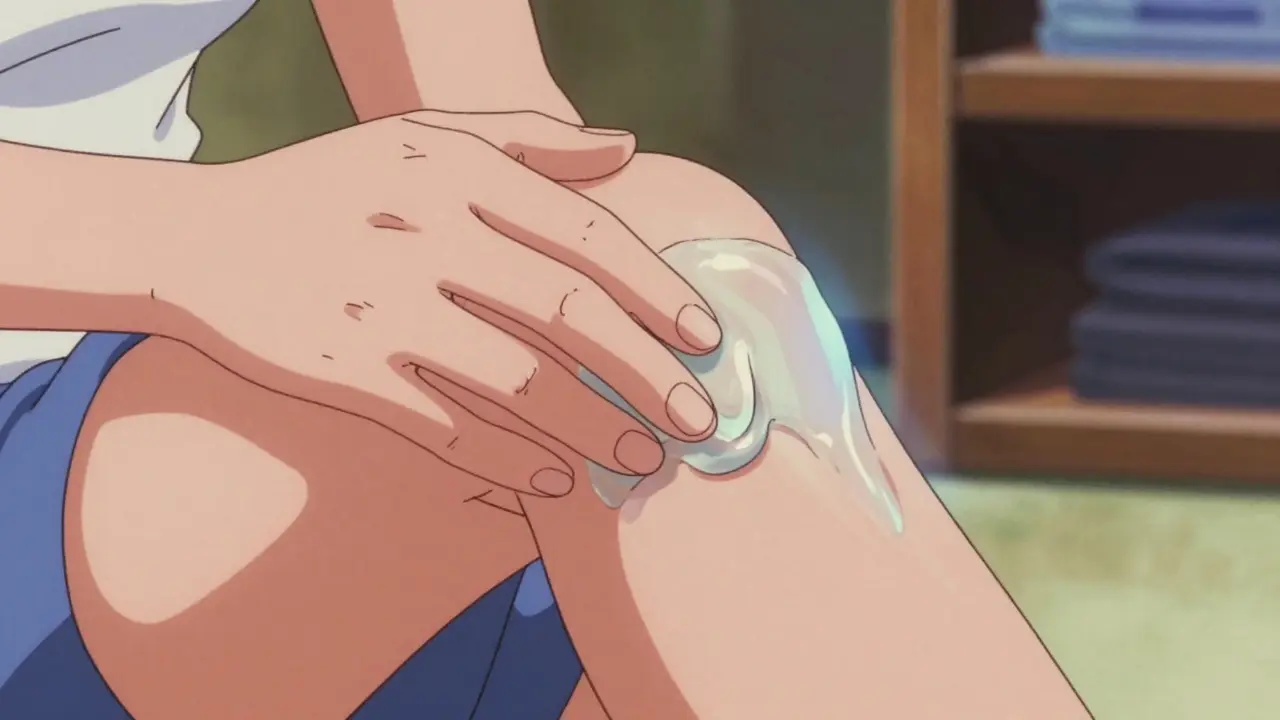
Have you ever reached for a pill to stop a knee ache or a stiff back, only to worry about stomach upset or other side effects? You are not alone. For decades, oral painkillers were the default go-to for almost any type of discomfort. But what if you could treat the pain right where it hurts, without flooding your entire body with medication? That is exactly what topical analgesics do.
These creams, gels, and patches sit on your skin but work deep enough to block pain signals at the source. They have become a cornerstone of modern pain management, especially as doctors look for safer alternatives to opioids and heavy-duty oral drugs. Whether you are dealing with arthritis in your knees, nerve pain from shingles, or just a sprained ankle, understanding these three main types-lidocaine, capsaicin, and NSAID gels-can help you choose the right tool for the job.
How Topical Pain Relievers Actually Work
It helps to know that these medications don't all use the same trick to quiet your pain. They target different parts of the nervous system and inflammation process. Think of your nerves like electrical wires. When you get hurt, those wires send a "pain" signal to your brain. Topical analgesics interfere with that message before it ever gets there.
Some work by blocking the electricity itself. Others reduce the swelling that presses on the nerves. A third group actually burns out the pain receptors temporarily so they can't fire off signals. The beauty of this approach is that because the medicine stays mostly in your skin and the tissue just beneath it, very little enters your bloodstream. This means fewer interactions with other drugs and less stress on your liver and kidneys.
Do topical analgesics really avoid systemic side effects?
Yes, significantly more than oral versions. Because they are applied directly to the site of pain, the concentration of the drug in your blood is much lower. For example, topical NSAIDs have been shown to cause gastrointestinal issues in only 0.03% of users, compared to 1.5% for oral NSAIDs.
Lidocaine Patches: Numbing the Noise
If you have ever sat in a dentist's chair, you know what lidocaine does. It numbs things up. In the world of topical analgesics, Lidocaine is a local anesthetic that blocks sodium channels in nerve cells, preventing pain signals from traveling to the brain. While you can buy low-strength lidocaine creams over the counter, the real power player here is the 5% lidocaine patch, often known by brand names like Lidoderm.
This patch is particularly effective for localized neuropathic pain-that burning, shooting sensation caused by damaged nerves. A classic example is postherpetic neuralgia, which is the lingering nerve pain after a shingles outbreak. Studies show that applying these patches can provide meaningful relief with a Number Needed to Treat (NNT) of 6.7. What does that mean? It means for every seven people who try it, one will get significant relief. More importantly, the amount of lidocaine that gets into your blood is tiny-about 10% of the level needed to affect your heart rhythm. This makes it a safe option for older adults who might be taking other medications.
The routine is simple but strict. You apply up to three patches to the painful area for 12 hours, then take them off for 12 hours. This on-and-off cycle keeps the nerve endings sensitive enough to feel normal sensations while keeping the pain signals blocked. It’s not a magic eraser, but for many, it turns a constant 8/10 pain down to a manageable 3/10.
Capsaicin Creams and Patches: Burning Out the Pain
Now, let's talk about the spicy stuff. Capsaicin is the active component in chili peppers that binds to TRPV1 receptors on nerve endings, initially causing a burning sensation followed by long-term desensitization to pain. It sounds counterintuitive to put something that burns on an area that already hurts, but that is precisely how it works.
When capsaicin hits your skin, it activates the TRPV1 receptor. This triggers a flood of calcium and sodium into the nerve ending, causing that familiar hot, prickly feeling. But here is the twist: this intense stimulation uses up a chemical called substance P, which is essentially the messenger molecule for pain. Once substance P is depleted, the nerve can't send pain signals anymore. This state is called "defunctionalization."
You can find capsaicin in two forms: low-concentration creams (usually 0.025% to 0.1%) that you apply yourself four times a day, and high-concentration patches (8%, like Qutenza) that must be applied by a doctor in a clinic. The 8% patch is a big deal. It provides relief for weeks or even months after a single application. However, the application process itself is intense. Patients report severe burning during the first 30 to 60 minutes. It requires patience and sometimes pre-numbing with lidocaine. But for conditions like diabetic neuropathy or post-shingles pain, the trade-off is often worth it.
| Feature | Low-Concentration Cream (OTC) | High-Concentration Patch (Rx) |
|---|---|---|
| Strength | 0.025% - 0.1% | 8% |
| Application | Self-applied, 4x daily | Clinic-only, once per treatment cycle |
| Onset of Action | Gradual (weeks) | Immediate burning, relief lasts weeks/months |
| Best For | Mild arthritis, muscle aches | Severe neuropathic pain (PHN, Diabetic Neuropathy) |
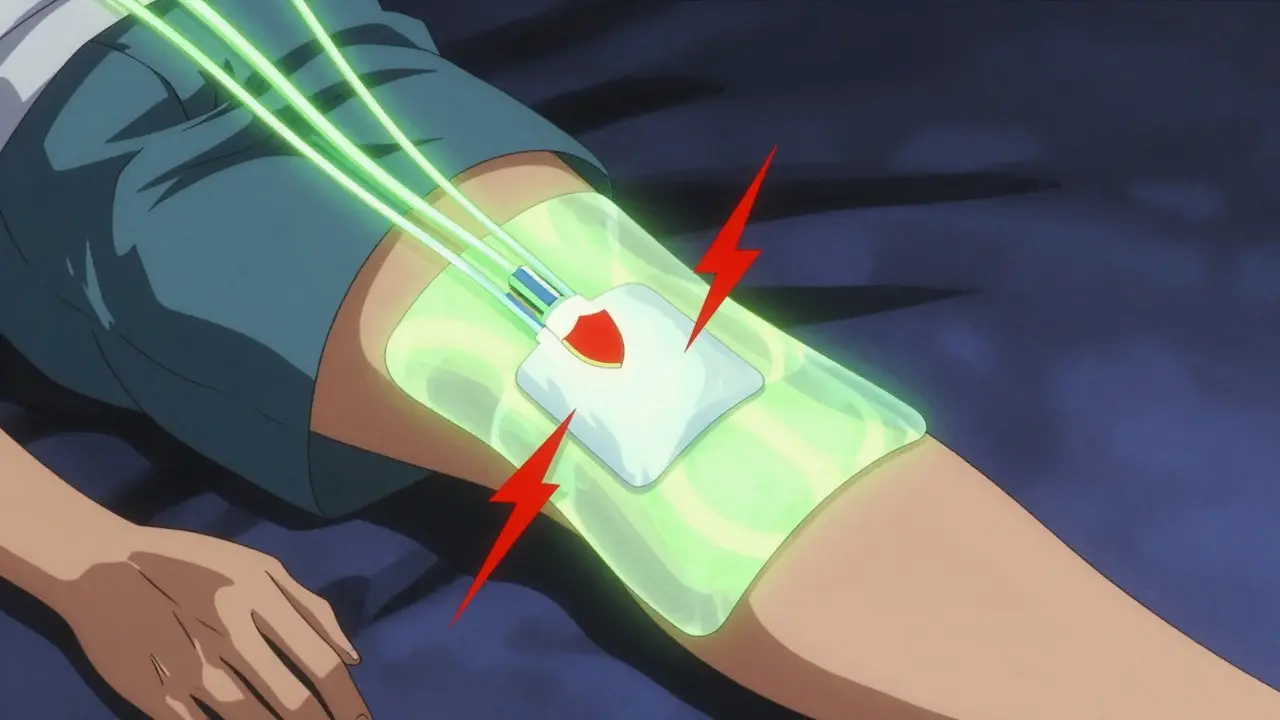
NSAID Gels: Cooling Inflammation Locally
If your pain comes from swelling and inflammation-like osteoarthritis in the knee or a twisted ankle-you probably want an NSAID. Non-steroidal anti-inflammatory drugs (NSAIDs) like diclofenac (Voltaren) or ibuprofen work by blocking enzymes called COX-1 and COX-2. These enzymes produce prostaglandins, chemicals that make tissues swollen, red, and painful.
Oral NSAIDs do this job well, but they come with risks. Long-term use can irritate the stomach lining, raise blood pressure, and strain the kidneys. Topical NSAID gels solve this problem by delivering the drug straight to the joint. Research using microdialysis shows that the concentration of diclofenac in the tissue around a knee joint can be 10 to 100 times higher than the amount in your blood plasma. You get the anti-inflammatory punch where you need it, without the systemic baggage.
For acute musculoskeletal pain, like a sprain, topical NSAIDs have an NNT of 2.7. That is excellent efficacy. For chronic knee osteoarthritis, patients often report a 60% reduction in pain after four weeks of consistent use. The key is consistency. You typically need to apply a ribbon of gel (about 2 to 4 inches long) four times a day. Don't rub it in aggressively; just spread it gently. It takes about 45 minutes to start working, but the relief can last for several hours.
One important note: topical NSAIDs work best on superficial joints. Your knees, elbows, and hands are close to the skin, so the gel penetrates easily. Deep joints like the hips or shoulders are harder to reach. If you have hip pain, a topical gel might only give you 20% relief compared to 60% for the knee. In those cases, other treatments might be more appropriate.
Who Should Use Topical Analgesics?
Not everyone is a candidate for these treatments, but a large group benefits greatly. The elderly are prime candidates. As we age, our metabolism slows down, and we often take multiple medications. Adding another pill increases the risk of dangerous drug interactions. Topical analgesics bypass the digestive system and liver, making them much safer for polypharmacy patients.
They are also ideal for people with gastrointestinal issues. If you have a history of ulcers or acid reflux, oral NSAIDs are likely off-limits. Topical diclofenac offers a similar pain-relieving mechanism with a fraction of the gut risk. Similarly, patients with kidney disease can often use topical NSAIDs when oral versions are prohibited.
However, there are limits. If your skin is broken, infected, or has eczema at the site of pain, do not apply these products. Broken skin allows too much drug to enter the bloodstream, negating the safety benefit. Also, while rare, some people develop allergic reactions to the adhesives in patches or the ingredients in gels. Always do a small test patch on a non-painful area first.

Common Mistakes to Avoid
Even the best medicine won't work if you use it wrong. Based on clinical data and patient feedback, here are the most common errors:
- Applying too little gel: Many people skimp on the dose. Manufacturers recommend a specific length of gel ribbon. Using less than recommended leads to inconsistent results.
- Rushing the capsaicin burn: If you are using low-dose capsaicin cream, expect some heat. Washing it off immediately prevents the desensitization process. Give it time to work, unless the burning is unbearable.
- Ignoring the 12-hour rule for lidocaine: Leaving lidocaine patches on for longer than 12 hours increases the risk of skin irritation and systemic absorption without adding extra pain relief.
- Washing hands after application: It sounds obvious, but forgetting to wash your hands after applying capsaicin or NSAID gel can lead to accidental exposure to eyes or mucous membranes. Never touch your face after handling these products.
The Future of Topical Pain Relief
The market for topical analgesics is booming, projected to reach $8.7 billion by 2028. Why? Because the medical community is moving away from opioids for chronic pain and looking for safer, targeted solutions. New technologies are emerging to improve penetration. Nanoemulsion gels, for instance, are showing promise in clinical trials by delivering 2.3 times more drug to the tissue than standard gels, without increasing blood levels.
Researchers are also exploring new targets beyond TRPV1 and sodium channels. Menthol-based formulations, which activate cooling receptors (TRPM8), are being studied for their potential to modulate pain pathways in novel ways. The goal is always the same: maximum relief at the site of injury with zero systemic impact.
For now, lidocaine, capsaicin, and NSAID gels remain the gold standards. They are accessible, effective, and generally safe. By understanding how each one works, you can make an informed choice about managing your pain. Talk to your doctor or pharmacist to determine which type fits your specific condition. Your skin-and your stomach-will thank you.
Can I use lidocaine and NSAID gel together?
Generally, yes, but it is best to consult your doctor first. Since they work through different mechanisms (numbing vs. reducing inflammation), they can be complementary. However, applying multiple products to the same area can increase the risk of skin irritation. Some doctors recommend alternating them or using them on different areas.
How long does it take for topical NSAIDs to work?
You may start to feel relief within 45 minutes to an hour after application. Peak tissue concentrations occur about 1.5 hours after application. For chronic conditions like osteoarthritis, consistent use over several weeks is usually required to see the full benefit.
Is capsaicin safe for diabetics with neuropathy?
Yes, capsaicin is often recommended for diabetic peripheral neuropathy. The 8% capsaicin patch (Qutenza) is specifically FDA-approved for this condition. However, diabetics may have reduced sensation in their feet, so they should be careful not to apply excessive amounts or miss signs of skin damage.
Why does my skin get red after using lidocaine patches?
Mild redness (erythema) is a common side effect, occurring in 5-15% of users. It is usually due to the adhesive or the lidocaine itself irritating the skin. If the redness is mild, it should fade after removing the patch. If it is severe, blistering, or itchy, discontinue use and consult a healthcare provider, as you may be having an allergic reaction.
Can topical analgesics interact with blood thinners?
The risk is significantly lower than with oral NSAIDs, but it is not zero. Topical NSAIDs still carry a warning for cardiovascular risk and potential bleeding issues, though the magnitude is much smaller. If you are on warfarin or other anticoagulants, always check with your doctor before starting regular topical NSAID therapy.