
REM Sleep Behavior Disorder (RBD) is a parasomnia characterized by the loss of normal muscle atonia during REM sleep, resulting in patients physically acting out their dreams, which can lead to injury to themselves or bed partners. Imagine sleeping peacefully, then suddenly lurching out of bed, shouting, or even punching. For people with RBD, this isn’t a nightmare-it’s real. Unlike normal REM sleep where muscles are paralyzed, RBD causes muscle activity during this stage. About 73.5% of people with idiopathic RBD develop neurodegenerative diseases like Parkinson’s within 12 years. This article explains diagnosis, treatment options, and safety measures.
What is REM Sleep Behavior Disorder?
REM Sleep Behavior Disorder (RBD) happens when the brain fails to paralyze muscles during REM sleep. Normally, this paralysis prevents acting out dreams. In RBD, people may shout, kick, punch, or even jump out of bed. These behaviors are often linked to vivid dreams, like fighting or running. According to the International Classification of Sleep Disorders, Third Edition (ICSD-3), RBD is diagnosed when there’s excessive muscle activity during REM sleep. The condition affects mostly men over 50, but women can have it too. Left untreated, RBD can cause serious injuries.
How is RBD Diagnosed?
Diagnosis requires a sleep study called polysomnography (PSG). During this test, doctors monitor brain waves, eye movements, muscle activity, and breathing. The key finding is REM sleep without atonia (RSWA), where muscle tone isn’t suppressed as it should be. The ICSD-3 criteria specify that RSWA must be present in at least 15% of REM sleep epochs. PSG also records how often dream enactment behaviors occur-on average, 4.2 times per hour. Doctors may also check for other sleep disorders or neurological issues. Without a PSG, RBD can’t be confirmed.
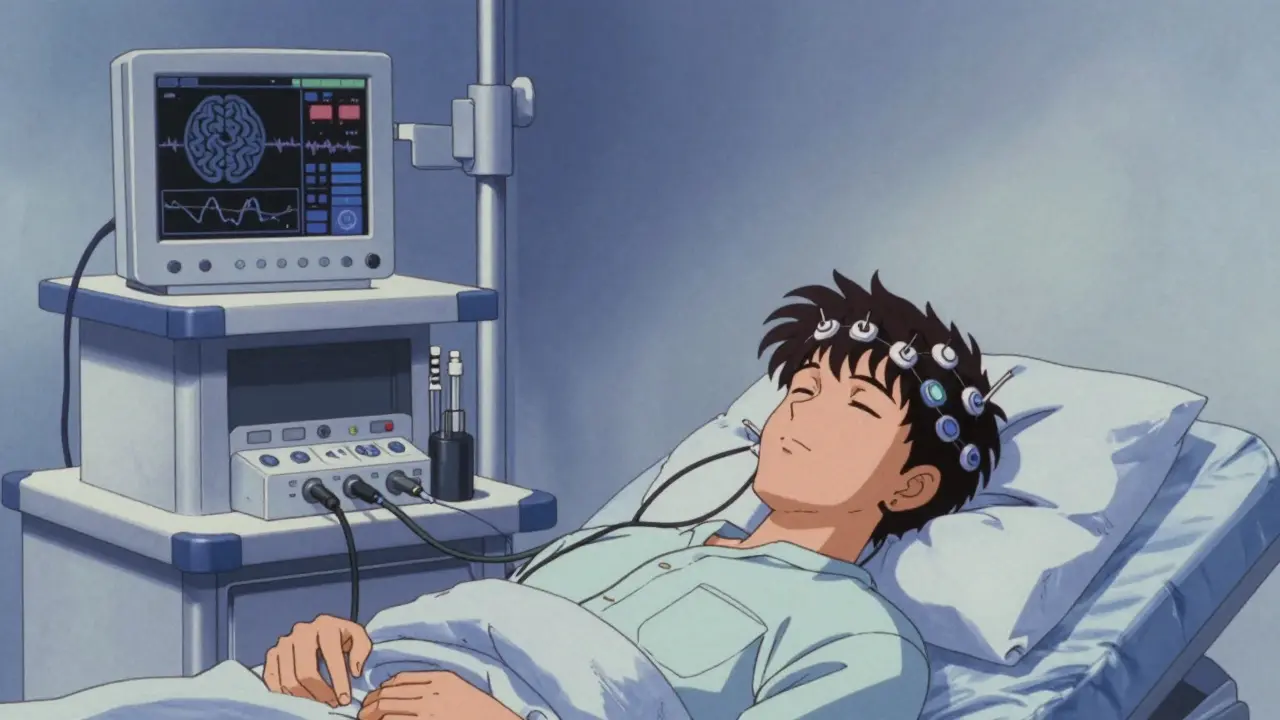
Treatment Options for RBD
There are no FDA-approved medications specifically for RBD, but doctors use certain drugs to manage symptoms. The two main options are melatonin and clonazepam.
Melatonin
Melatonin is a natural hormone that helps regulate sleep. For RBD, doctors usually start with 3 mg at bedtime and increase up to 12 mg if needed. Studies show about 65% of patients respond well to melatonin alone. Side effects are rare-mostly mild headaches or dizziness. It’s often the first choice because it’s safe and has few risks.
Clonazepam
Clonazepam is a benzodiazepine that works quickly for RBD. Starting dose is 0.25-0.5 mg at bedtime, with a maximum of 2 mg. It’s effective in 80-90% of cases, but side effects include dizziness (22% of patients), unsteadiness (18%), and daytime sleepiness (15%). It’s not recommended for elderly patients due to fall risk. Long-term use can lead to tolerance or dependence, so doctors monitor closely.
Other Medications
Pramipexole, a dopamine agonist used for Parkinson’s, helps some RBD patients, especially those with restless legs syndrome. However, it only works for about 60% of people. Rivastigmine, a drug for Alzheimer’s, has shown promise in small studies for RBD patients with cognitive issues. Emerging treatments like dual orexin receptor antagonists are being tested. A 2023 study found they reduced dream enactment behaviors in animals, but human trials are pending.
Safety Measures for RBD
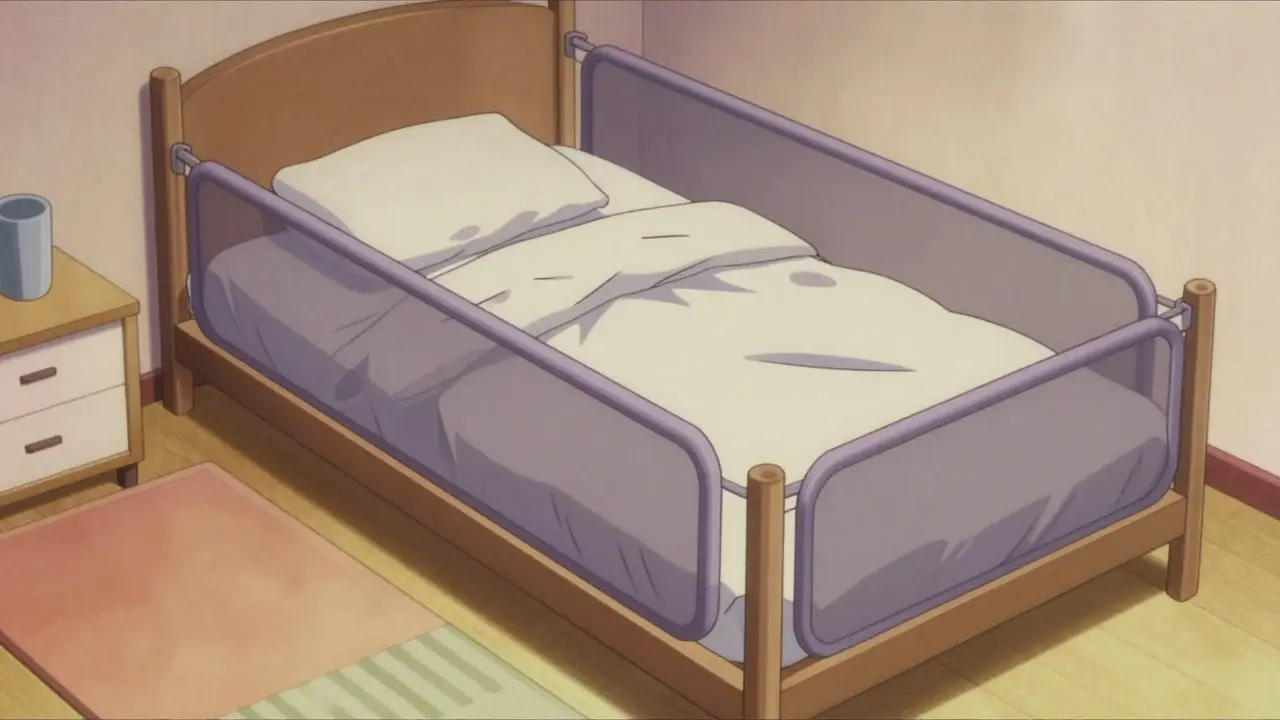
Medication alone isn’t always enough. Simple changes to the bedroom can prevent injuries:
- Remove sharp objects, weapons, or furniture edges near the bed.
- Place soft mats or carpets next to the bed.
- Install bed rails to prevent falling.
- Avoid alcohol-just one or two drinks can trigger RBD episodes in 65% of patients.
- Consider sleeping in separate rooms if symptoms are severe, though this is a last resort.
Bed partners often report feeling safer after these changes. For example, one spouse said, "After my husband started 0.5 mg clonazepam and removed weapons from the bedroom, I could finally sleep without fear of being kicked."
What’s Next for RBD Treatment?
Researchers are working on better treatments. Neurocrine Biosciences is in Phase II trials for NBI-1117568, a selective orexin-2 receptor antagonist. The FDA gave it Fast Track status in 2023, meaning it could be approved faster. Mount Sinai researchers found dual orexin receptor antagonists reduced dream enactment in animal models with fewer side effects. However, large-scale human trials are needed. Experts agree the biggest goal is finding treatments that prevent RBD from progressing to Parkinson’s or dementia.
Frequently Asked Questions
Is REM Sleep Behavior Disorder a sign of Parkinson’s?
Yes, RBD is often a warning sign for neurodegenerative diseases. About 73.5% of people with idiopathic RBD develop Parkinson’s, dementia with Lewy bodies, or multiple system atrophy within 12 years. However, not everyone with RBD will develop these conditions. Regular neurological checkups are crucial for early detection.
Can melatonin and clonazepam be used together?
Yes, doctors sometimes combine melatonin and clonazepam for better symptom control. Melatonin helps reduce the dose of clonazepam needed, lowering side effects. However, this should only be done under medical supervision due to potential interactions. About 10% of neurologists use combination therapy according to a 2022 survey.
How quickly do treatments work?
Clonazepam usually shows effects within the first week, while melatonin may take 2-4 weeks to work at each dose level. It’s important to stick with the treatment for several weeks before adjusting the dose. If symptoms don’t improve after trying both options, doctors may consider other medications like pramipexole.
What should I do if I suspect RBD?
See a sleep specialist for a polysomnography test. Keep a sleep diary noting any unusual behaviors, and ask your bed partner to document episodes. Avoid alcohol and keep the bedroom safe (remove sharp objects, install bed rails). Do not self-medicate-treatment should be guided by a doctor to ensure safety and effectiveness.
Are there side effects to RBD treatments?
Yes. Clonazepam can cause dizziness, unsteadiness, and daytime sleepiness, especially in older adults. Melatonin is generally safer, with mild side effects like headaches. Both require careful monitoring. Never stop clonazepam abruptly-it can cause withdrawal symptoms like nightmares. Always follow your doctor’s instructions for tapering off.
Katharine Meiler
February 6, 2026 AT 03:20REM Sleep Behavior Disorder (RBD) is a condition where muscle atonia during REM sleep is lost, leading to physical enactment of dreams. Diagnosis relies on polysomnography (PSG), which measures brain activity, eye movements, and muscle tone. The key finding is REM sleep without atonia (RSWA), defined as muscle activity in at least 15% of REM sleep epochs. Without PSG, RBD can't be confirmed, as symptoms alone aren't sufficient. For example, a patient might report kicking or shouting, but this could be due to other disorders like sleep apnea or periodic limb movement disorder. The ICSD-3 criteria are strict about PSG confirmation. Treatment-wise, melatonin is first-line due to safety. Starting at 3 mg, up to 12 mg, with 65% response rate. Clonazepam is effective (80-90%) but has side effects like dizziness and falls in elderly. I've seen patients benefit from combining both at lower doses. Safety measures are critical: remove sharp objects, install bed rails, avoid alcohol. Alcohol can trigger RBD episodes in 65% of patients. Some patients have had success with pramipexole, especially if they have restless legs syndrome. Emerging treatments like orexin antagonists show promise but need more research. It's important to monitor for neurodegenerative diseases, as 73.5% of idiopathic RBD cases progress to Parkinson's or dementia within 12 years. Regular neurological checkups are essential. Patients should also educate their bed partners on safety steps. Overall, a multidisciplinary approach involving sleep specialists, neurologists, and occupational therapists is ideal for managing RBD effectively.
one hamzah
February 6, 2026 AT 19:23Bed rails and no sharp objects. Game changer! 😊
Lisa Scott
February 7, 2026 AT 18:1373.5% stat is fake. Big Pharma's lying. PSG is unreliable. My cousin has RBD and never got Parkinson's. They're scamming you.
Brendan Ferguson
February 9, 2026 AT 05:46I've treated many RBD patients over the years. The combination of melatonin and safety measures works best. For example, a patient on 6mg melatonin plus removing sharp objects had zero incidents. Clonazepam is effective but risky for seniors. Always check for comorbidities like sleep apnea. Early diagnosis is key. Don't ignore symptoms. If you suspect RBD, see a specialist. The data shows that 73.5% develop neurodegenerative diseases, but early intervention can slow progression. It's not a death sentence. Stay proactive.
Thorben Westerhuys
February 10, 2026 AT 16:08Oh my goodness! Yes! I've been there! It's terrifying! The melatonin and bed rails saved me! But wait, I read that clonazepam can cause dependency! Oh no! I'm so scared! What if I can't sleep without it?!
Carol Woulfe
February 12, 2026 AT 11:47As a specialist in sleep medicine, I must emphasize that while clonazepam is effective, the potential for dependency necessitates careful monitoring. The FDA's Fast Track approval for NBI-1117568 is a promising development, but rigorous clinical trials are required before widespread use.
Laissa Peixoto
February 13, 2026 AT 10:32RBD is a fascinating intersection of neurology and psychology. It's not just a sleep disorder-it's a window into how our brain regulates consciousness during sleep. The link to Parkinson's is concerning, but it also offers a chance for early intervention. We should view it not as a curse, but as a signal to take proactive steps for our brain health. Sleep is sacred; protecting it is protecting our future selves.
Danielle Vila
February 15, 2026 AT 08:03Oh, it's a window into consciousness? More like a government experiment! They're testing mind control drugs on us! The 'Parkinson's link' is a cover-up. I know the truth: the real cause is 5G towers. But hey, melatonin is a natural fix-just don't trust Big Pharma!
Georgeana Chantie
February 15, 2026 AT 15:34As an American, I think this is all overblown. The real issue is lazy doctors not doing their jobs. 😒 But hey, bed rails are a good idea. I'd never let my kids sleep without them. #AmericaFirst
Cole Streeper
February 17, 2026 AT 10:38The bed rails? That's just a distraction. They're hiding the real cause-vaccines! The government is using RBD to control people. I've seen it in my research. 73.5% is a lie. The truth is out there. Wake up!
Joyce cuypers
February 18, 2026 AT 05:49No alcohol. Sleep better. 😊
Dina Santorelli
February 19, 2026 AT 14:36All this talk about safety measures is pointless. The real problem is the medical system failing patients. They don't care about RBD. I've been ignored for years. It's all a waste of time.
Sam Salameh
February 21, 2026 AT 00:25As a proud American, I think we need more funding for RBD research. But here's what helped me: melatonin at 6mg and removing all sharp objects from the room. My bed partner is safer now.