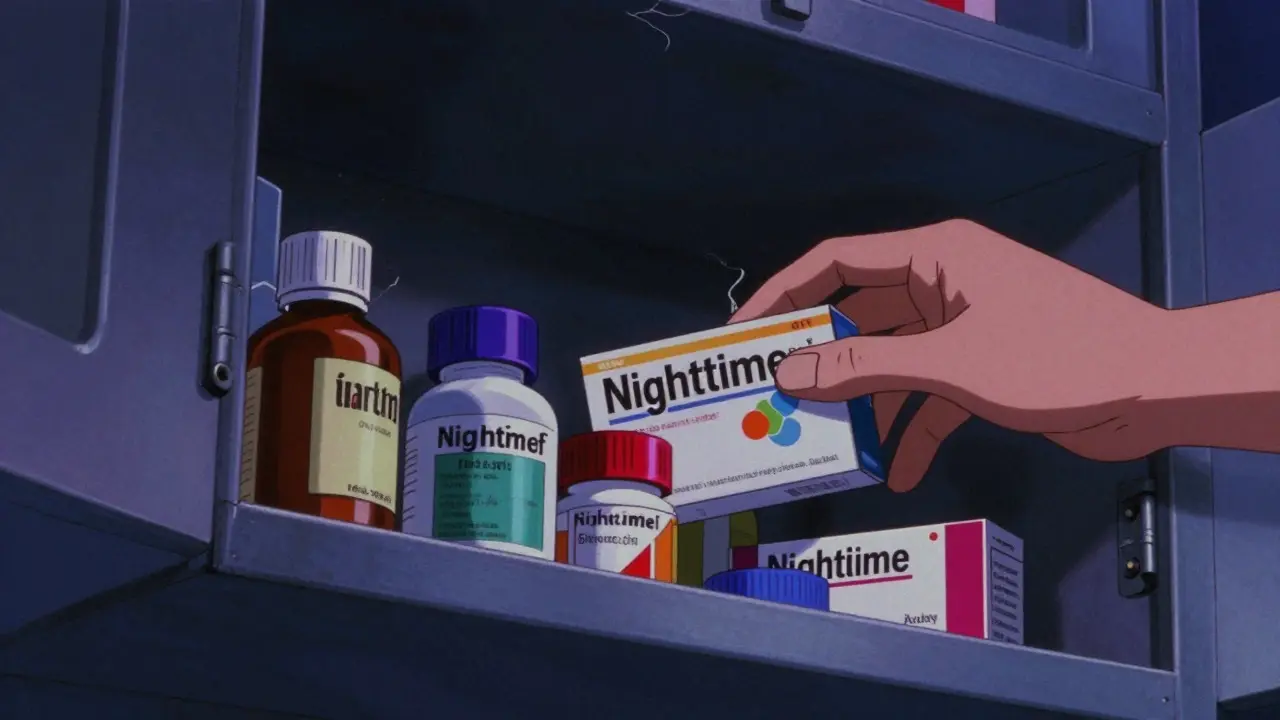
It is the middle of the night. You have a pounding headache, your nose is running, and you can barely breathe through your congestion. You grab a box of nighttime cold medicine from the cabinet, pop two pills, and go back to sleep. The next morning, you wake up feeling groggy, but your headache persists. So, you reach for a standard pain reliever to help you function at work. You just made a mistake that thousands of people make every year: you accidentally doubled up on acetaminophen, an active ingredient found in both products. This scenario is not unique. It is a common trap set by the convenience of multi-symptom relief. Over-the-counter (OTC) cold and flu combination medications are designed to treat multiple symptoms at once-fever, cough, congestion, and pain-in a single pill or liquid. While this sounds efficient, it creates a significant risk of unintentional overdose. When you combine these "all-in-one" solutions with other OTC drugs without checking the labels, you can easily exceed safe dosage limits, leading to serious health issues like liver damage or severe sedation. Understanding how these medications work and learning to read their labels carefully is the only way to stay safe while treating your symptoms. Here is what you need to know about avoiding double dosing with OTC cold and flu combinations.
The Hidden Danger of Combination Medications
To understand the risk, you first need to understand what is inside the bottle. OTC cold and flu combination medications are multi-symptom relief products containing two or more active ingredients designed to address multiple symptoms simultaneously. These products became popular in the mid-20th century as pharmaceutical companies sought to create convenient solutions for consumers. Today, major manufacturers like Johnson & Johnson (Tylenol), Procter & Gamble (Vicks), and GlaxoSmithKline (Theraflu) dominate the market with these formulations. The core problem is that these products often contain ingredients you might already be taking separately. For example, many daytime formulas include acetaminophen for fever and pain, phenylephrine for nasal congestion, and dextromethorphan for cough suppression. If you take one of these combination pills and then take a separate dose of Tylenol for a headache, you are doubling your intake of acetaminophen. The consequences can be severe. According to the American Association of Poison Control Centers' 2022 annual report, there were 14,237 documented cases of acetaminophen overdose specifically related to cold and flu medication misuse. This represented 12% of all medication-related poison control calls involving OTC products. Acetaminophen is generally safe when taken as directed, but exceeding 4,000mg in 24 hours can cause acute liver failure. With combination products, hitting that limit is easier than you think.
Decoding the Drug Facts Label
The most critical tool for avoiding double dosing is the "Drug Facts" label on every OTC package. The U.S. Food and Drug Administration (FDA) requires all OTC cold and flu products to list active ingredients in milligrams with clear therapeutic indications. However, many consumers skim these labels or ignore them entirely, relying on brand names instead. When you pick up a box, look for the section titled "Active Ingredients." This is where the truth lies. You will see specific chemical names and their functions. For instance:
- Acetaminophen: Listed as a "pain reliever/fever reducer." Look for the abbreviation "APAP" on some labels, which stands for acetaminophen.
- Dextromethorphan HBr: Listed as a "cough suppressant." Often abbreviated as "DM" on product names (e.g., Robitussin DM).
- Phenylephrine HCl: Listed as a "nasal decongestant." Note that the FDA proposed removing oral phenylephrine from the OTC monograph in November 2024 due to efficacy concerns, so check for updates on your local products.
- Doxylamine Succinate: An antihistamine found in nighttime formulas like NyQuil that causes drowsiness.
- Chlorpheniramine Maleate: Another antihistamine used in some nighttime formulations.

Combination vs. Single-Ingredient Products
Medical experts consistently warn about the dangers of double dosing with OTC cold and flu combinations. Dr. Sarah Ketchen, a board-certified family physician, noted that approximately 65% of patients don't realize acetaminophen is in multiple cold medications, putting them at risk for liver damage. Single-ingredient alternatives offer a safer approach for many people. A 2022 Pharmacy Times survey of 1,200 pharmacists found that 68% recommended single-ingredient products over combination medications for patients with specific symptoms. Here is why:
| Feature | Combination Products | Single-Ingredient Products |
|---|---|---|
| Convenience | High (treats multiple symptoms) | Low (requires multiple pills) |
| Risk of Double Dosing | High (hidden ingredients) | Low (clear purpose) |
| Side Effects | Higher (exposed to unnecessary meds) | Lower (targeted treatment) |
| Flexibility | Low (fixed ratio of ingredients) | High (adjust doses per symptom) |
Common Scenarios That Lead to Overdose
Real user experiences reveal common patterns of double dosing incidents. On platforms like Reddit and Drugs.com, users frequently share stories of accidental overdoses. One common scenario involves combining a daytime cold medicine with a nighttime version. Consider Vicks DayQuil and NyQuil. Both contain acetaminophen and dextromethorphan. DayQuil also contains phenylephrine, while NyQuil contains doxylamine succinate. If you take DayQuil during the day and switch to NyQuil at night, you are continuing to ingest acetaminophen. If you also take a standalone Tylenol for a lingering headache, you quickly approach the dangerous 4,000mg limit. Another frequent error involves imported medications. Some countries use "paracetamol" instead of "acetaminophen." If you buy a cold remedy from an international traveler or an online retailer shipping from abroad, you might not recognize that paracetamol is the same drug as acetaminophen. Taking both leads to an immediate overdose. User statistics from Consumer Reports' 2023 OTC medication survey indicate that 41% of adults have accidentally double-dosed on cold medication ingredients, with acetaminophen being the most common culprit in 68% of those cases. The confusion is often compounded by similar-sounding ingredients. Diphenhydramine (Benadryl) and doxylamine (in NyQuil) are both antihistamines that cause drowsiness. Taking both can lead to excessive sedation, increasing the risk of falls or accidents, especially in older adults.

Practical Steps to Stay Safe
Avoiding double dosing requires specific consumer behaviors. It is not enough to trust the brand name; you must actively manage your medication intake. Here is a step-by-step guide to staying safe:
- Read the Active Ingredients Section: Spend at least 2-3 minutes reading the "Drug Facts" label on each OTC product before use. Focus specifically on the chemical names, not just the brand promises.
- Keep a Log: Write down every medication you take, including the time and dose. This is especially important if you are caring for children or elderly relatives who may forget what they have already taken.
- Check for Abbreviations: Learn common abbreviations. "APAP" means acetaminophen. "DM" means dextromethorphan. Recognizing these shortcuts helps you spot hidden ingredients.
- Consult a Pharmacist: Pharmacists play a critical role in prevention. The American Pharmacists Association reports that 87% of community pharmacists counsel patients on avoiding double dosing during cold and flu season. Ask them to review your current medications for interactions.
- Use Digital Tools: The American Pharmacists Association provides a free "Medication Checkup" tool that identifies potential double-dosing scenarios. Inputting all your medications takes about 8-10 minutes but can prevent serious errors.
The Future of OTC Cold Medicines
The landscape of OTC cold medicines is shifting. Regulatory scrutiny is increasing, particularly regarding ingredients like phenylephrine. The FDA's November 2024 proposed order to remove oral phenylephrine from the OTC monograph highlights growing concerns about efficacy. If finalized, manufacturers will need to reformulate products within 18 months, potentially replacing phenylephrine with other agents like guaifenesin. Market trends also suggest a move toward simpler formulations. Sales of standalone acetaminophen increased 12.7% year-over-year in early 2024, while combination cold medicine sales grew only 2.3%. Industry experts predict that future combination products will contain no more than three active ingredients, down from the current average of 4.2. This simplification aims to reduce confusion and lower the risk of medication errors. As consumers, we can adapt by prioritizing single-ingredient treatments whenever possible. Treat specific symptoms with specific drugs. Save the combination products for times when you are truly overwhelmed by multiple severe symptoms, and even then, read the label twice.
What happens if I accidentally double dose on acetaminophen?
Accidentally doubling up on acetaminophen can lead to liver damage, especially if you exceed 4,000mg in 24 hours. Symptoms of overdose may not appear immediately but can include nausea, vomiting, loss of appetite, and confusion. If you suspect an overdose, contact Poison Control (1-800-222-1222) or seek emergency medical attention immediately. Early treatment with N-acetylcysteine can prevent severe liver injury.
Can I take DayQuil and NyQuil together?
You should not take DayQuil and NyQuil simultaneously because they share active ingredients like acetaminophen and dextromethorphan. Doing so increases the risk of exceeding safe dosage limits. Instead, alternate them as directed on the label, ensuring you track the total amount of acetaminophen consumed in a 24-hour period. Never add extra pain relievers unless advised by a doctor.
Is phenylephrine still effective in cold medicines?
Recent studies and an FDA advisory committee vote in 2022 concluded that oral phenylephrine is ineffective at standard OTC doses (10mg). The FDA proposed removing it from the OTC monograph in November 2024. Until regulations change, many experts recommend using pseudoephedrine (available behind the pharmacy counter) for better decongestion results, provided you do not have high blood pressure.
How can I tell if two different brands contain the same ingredient?
Always compare the "Active Ingredients" section on the Drug Facts label. Ignore the brand names and look for the chemical names. For example, Tylenol, Panadol, and generic store-brand pain relievers all contain acetaminophen (sometimes listed as APAP or paracetamol). If both products list the same chemical name, they contain the same active ingredient, and you must adjust your dosage accordingly.
Are single-ingredient cold medicines safer than combination ones?
Yes, single-ingredient medicines are generally safer because they eliminate the risk of hidden double dosing. A 2022 survey found that 68% of pharmacists recommend single-ingredient products for targeted symptom relief. They allow you to treat only the symptoms you have, reducing exposure to unnecessary medications and potential side effects like drowsiness or elevated blood pressure.