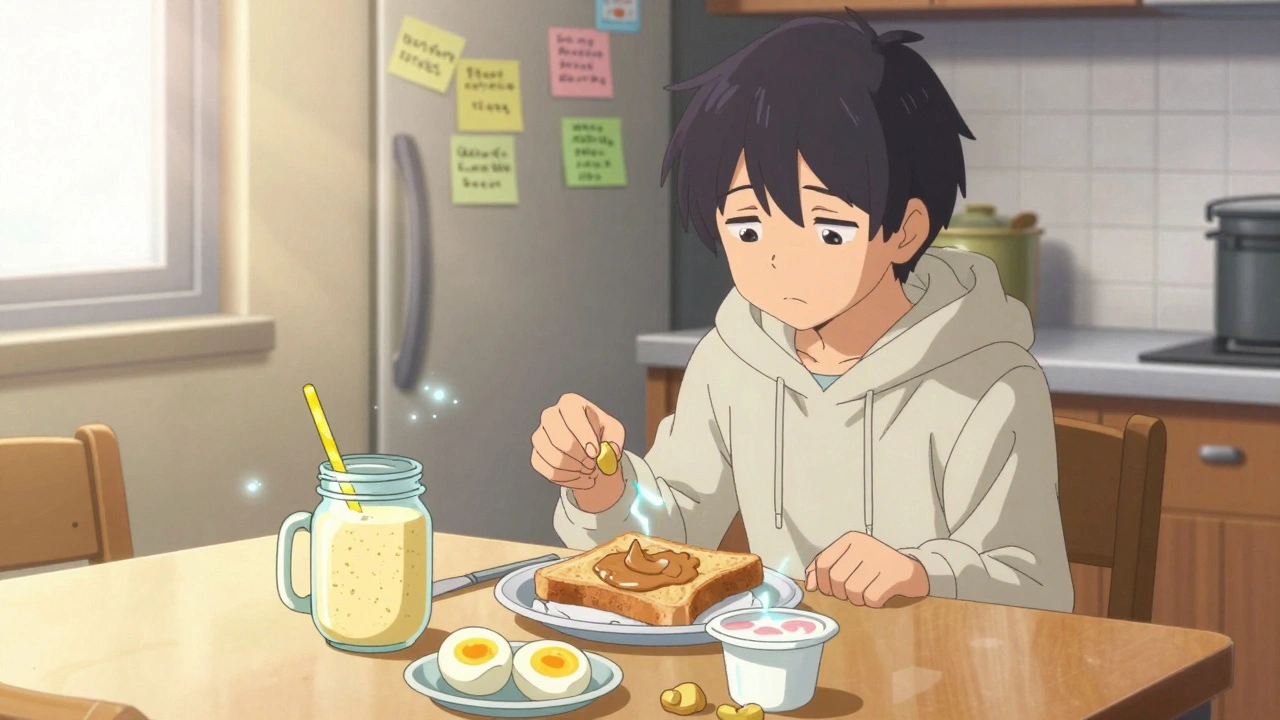
When you're going through chemotherapy, your body isn't just fighting cancer-it's also battling side effects that make eating feel impossible. Nausea hits hard. Food tastes metallic. Even your favorite meals turn into triggers. And yet, keeping your strength up isn't optional. It’s what lets you finish treatment, avoid hospital stays, and keep moving forward. The truth? Chemotherapy nutrition isn’t about eating healthy like everyone else. It’s about eating enough to survive-and thrive-through treatment.
Why Eating More Matters More Than Eating Right
Most people think of nutrition as eating salads, avoiding sugar, and counting calories. That’s fine for prevention. But during chemotherapy, those rules don’t apply. Your body needs more fuel, not less. Chemotherapy breaks down muscle, drains energy, and weakens your immune system. Without enough calories and protein, your body starts eating itself. That’s not just weakness-it’s risk. Studies show patients who lose weight during chemo are 37% more likely to need treatment delays or hospitalization. The goal isn’t to lose weight or get lean. It’s to hold on to every pound of muscle you can. Experts recommend 1.2 to 2.0 grams of protein per kilogram of body weight daily. For someone weighing 70 kg (about 154 lbs), that’s 84 to 140 grams of protein a day. Compare that to the 56 grams a healthy adult needs. That’s nearly triple. And calories? You need 25 to 30 kcal per kilogram-up from the usual 20 to 25. That means a 70 kg person needs 1,750 to 2,100 calories daily, just to stay even. If you’re losing weight, you need even more.Beating Nausea: What Works, What Doesn’t
Nausea isn’t just uncomfortable-it’s a roadblock to survival. One study found 73% of patients feel worse after eating greasy, fried, or fatty foods. That’s why bacon, cheeseburgers, and creamy pasta often make nausea worse. Instead, go for dry, bland, and cool options. Crackers, toast, rice, and plain pasta are go-tos. Cold foods often work better than hot ones because they don’t release strong smells. Try chilled yogurt, applesauce, or watermelon straight from the fridge. Avoid drinking with meals. Liquids fill your stomach and make you feel full faster. Instead, sip water, herbal tea, or ginger ale between meals. Ginger is a real game-changer. In patient forums, over 280 people reported ginger chews, ginger tea, or even candied ginger helped them eat more. Keep a pack in your bag. Chew one before you get in the car for treatment. Strong smells are another trigger. Cooking smells, perfumes, even toothpaste can set off nausea. Use plastic utensils if metal tastes bad. Open windows. Let someone else cook. Eat in a different room. If the smell of coffee makes you gag, switch to cold brew or skip it altogether.Small Meals, All Day Long
Three big meals a day? Forget it. Most patients can’t handle that. The National Cancer Institute recommends five to six small meals-each around 300 to 400 calories. That’s easier on your stomach and keeps your energy steady. Think of it like refueling a car: small sips, not big gulps. Plan snacks like mini-meals. A handful of almonds and a piece of cheese. A peanut butter banana smoothie. Greek yogurt with honey and granola. A hard-boiled egg and a few whole-grain crackers. Each snack should have at least 10 to 15 grams of protein. Keep them visible-on the counter, in the fridge, in your purse. If you have to hunt for food, you won’t eat it. One patient on Reddit shared: “I started keeping protein shakes in the freezer. When I felt okay for 10 minutes, I’d grab one. It was the only way I got protein on bad days.” Homemade shakes with full-fat Greek yogurt, peanut butter, banana, and a spoon of honey pack 20+ grams of protein and 400+ calories. No expensive supplements needed.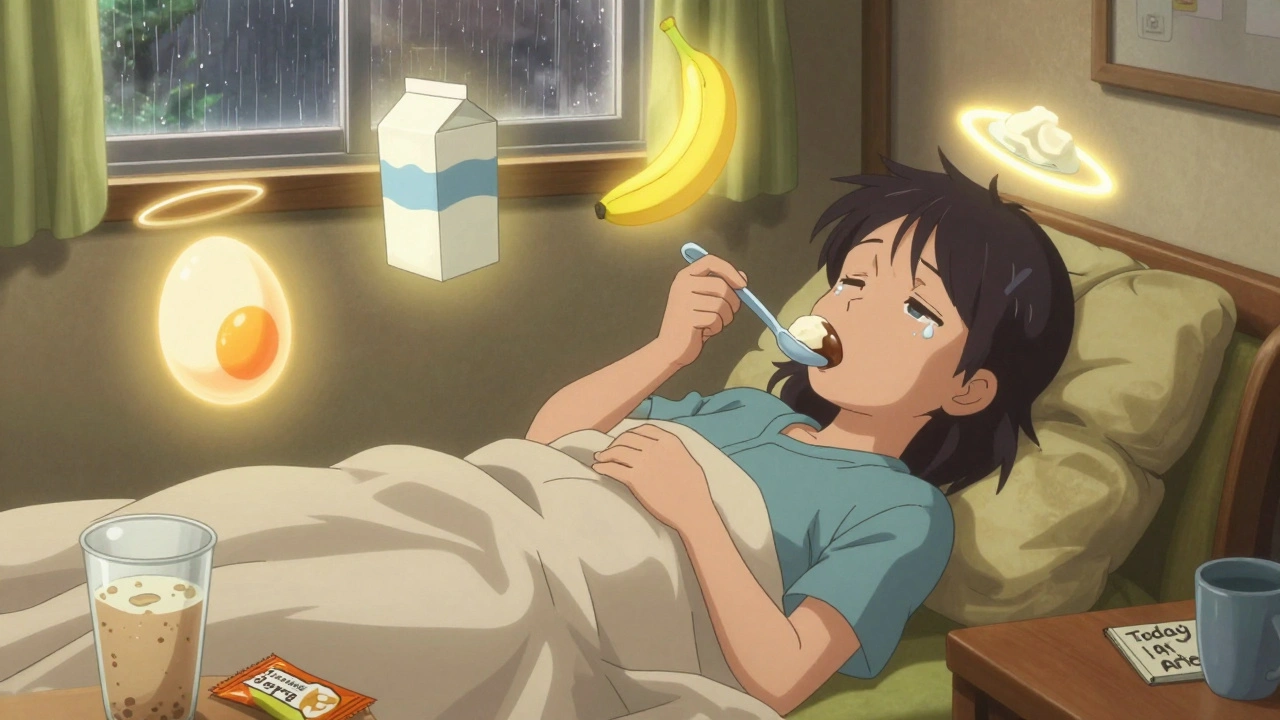
Protein Is Your Secret Weapon
You can’t out-eat muscle loss. That’s why protein isn’t optional-it’s your armor. Eggs, milk, cheese, yogurt, lean meats, beans, and protein powders are your friends. If solid food feels impossible, liquids work. Try a smoothie with cottage cheese, milk, and a scoop of whey or soy protein. Or blend silken tofu with fruit and almond butter. Many patients swear by Ensure Plus or Boost, but they’re expensive-$35 to $45 for a 12-pack. You don’t need them. A cup of whole milk has 8 grams of protein. A half-cup of cottage cheese has 14. Two eggs? 12 grams. A tablespoon of peanut butter? 4 grams. Combine them. Make a peanut butter and banana wrap. Add cheese to scrambled eggs. Top oatmeal with nuts and milk. You don’t need fancy products. You need consistent intake.Food Safety Isn’t Optional-It’s Life or Death
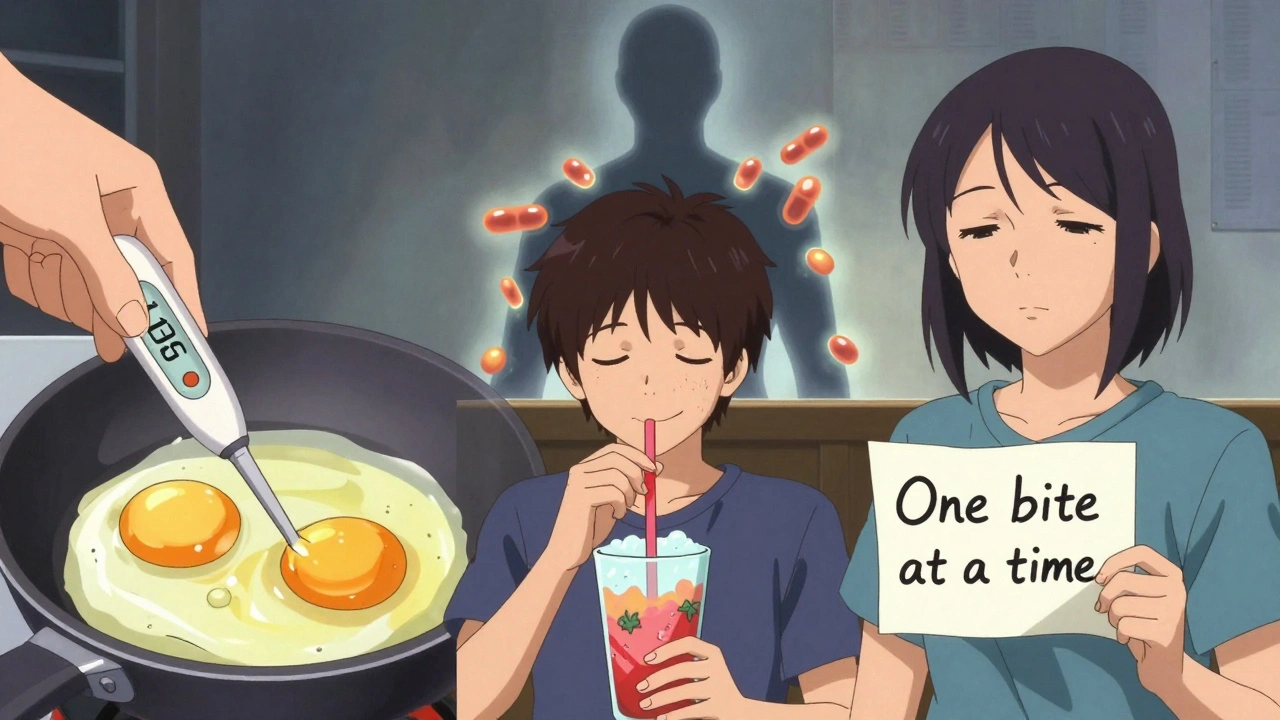
Chemotherapy weakens your immune system. That means your body can’t fight off bugs like it used to. Raw eggs, rare meat, sushi, unpasteurized cheese, and deli meats are off-limits. Even a little Salmonella can land you in the hospital. Eggs must be cooked until the yolk is firm-160°F (71°C). That means no runny yolks. No homemade Caesar dressing or mayonnaise. Use store-bought versions labeled “pasteurized.” Avoid raw sprouts, unpasteurized juices, and raw shellfish. Wash all produce, even if it’s pre-washed. Cook meat until there’s no pink left. Use a food thermometer. Don’t guess.What to Do When Nothing Sounds Good
There will be days when nothing appeals to you. That’s normal. Don’t panic. Eat what you can. Even a spoonful of ice cream or a few crackers counts. Don’t force yourself to eat healthy if you can’t. A bowl of ice cream with whipped cream and chocolate syrup is better than nothing. Sugar and fat give you calories. Calories keep you alive. Try these tricks:- Freeze grapes-they’re cold, sweet, and easy on sore mouths.
- Use plastic utensils to avoid metallic taste.
- Keep pre-portioned snacks in labeled containers so you don’t have to think.
- Drink nutritional shakes through a straw if your mouth is sore.
- Try tart flavors like lemonade or citrus-they can help reset your taste buds.
When You Can’t Eat Enough-And What Comes Next
Some patients still lose weight despite trying everything. That’s not failure-it’s a signal. If you’re losing more than 5% of your body weight in a month, talk to your care team. You might need oral nutrition supplements, tube feeding, or IV nutrition. About 15-20% of patients on aggressive chemo need these options. It’s not giving up. It’s keeping your body strong enough to finish treatment. Omega-3 fatty acids (EPA and DHA) from fish oil supplements have been shown in studies to improve appetite and help patients gain weight. ESPEN recommends 1-2 grams per day. Talk to your doctor before starting. Not all supplements are safe during chemo.Support Is Out There-You Don’t Have to Do It Alone
The American Cancer Society’s 24/7 helpline gets over 12,000 nutrition calls every month. Their ‘Road to Recovery’ program connects patients with local dietitians who specialize in cancer care. Most major cancer centers now have oncology dietitians on staff. Ask your nurse or oncologist for a referral. Don’t wait until you’re losing weight. Get help early. There are also free apps now. The National Cancer Institute’s ‘Nutrition During Treatment’ app lets you log meals, track protein, and get personalized tips. It’s been downloaded over 42,000 times. It’s not magic-but it’s a tool.What to Remember
This isn’t about perfection. It’s about progress. Some days you’ll eat well. Other days, you’ll sip broth and call it a win. That’s okay. Your body doesn’t need perfect meals. It needs consistent fuel. Protein. Calories. Hydration. That’s it. You’re not failing if you can’t eat like you used to. You’re fighting. And every bite, every sip, every spoonful of peanut butter counts. Keep going. Your strength isn’t measured in how much you eat-but in how hard you keep trying.Can I still eat fruits and vegetables during chemotherapy?
Yes-but with caution. Wash all produce thoroughly. Peel fruits and vegetables when possible to reduce bacteria. Cook vegetables if your immune system is low. Raw salads and sprouts are risky during chemo. Stick to cooked or peeled options like steamed carrots, baked apples, or canned peaches. If you have mouth sores, choose soft, non-acidic fruits like bananas, melons, or canned pears.
Should I take protein shakes or supplements?
Not necessarily. Whole foods are better if you can tolerate them. But if you’re struggling to eat, protein shakes help. You don’t need expensive brands. Blend full-fat Greek yogurt, milk, peanut butter, and a banana for a homemade shake with 25+ grams of protein and 500+ calories. Store-bought options like Ensure Plus work too, but they’re costly. Use them only if you can’t get enough from food.
Why am I losing weight even though I’m eating?
Chemotherapy changes how your body uses energy. It increases metabolism and breaks down muscle faster than normal. Even if you’re eating the same amount as before, your body may be burning through calories faster. You need more protein and calories than you did before treatment. Track your intake. If you’re losing weight, increase portion sizes and add calorie-dense foods like butter, cheese, nuts, and oils to meals.
Is it safe to drink alcohol during chemotherapy?
It’s best to avoid alcohol. It can irritate your mouth and throat, especially if you have sores. It also dehydrates you and can interfere with how your liver processes chemo drugs. Some treatments increase sensitivity to alcohol, making nausea worse. If you want a small glass of wine, talk to your doctor first. But most oncologists recommend skipping it entirely during treatment.
How do I know if I’m getting enough protein?
A simple way: aim for 20-30 grams of protein at each meal or snack. One egg = 6g. One cup of milk = 8g. One cup of Greek yogurt = 15-20g. Three ounces of chicken = 21g. Use a free app like MyFitnessPal to log your meals for a few days. If you’re averaging less than 1.2 grams of protein per kilogram of body weight daily, you’re not getting enough. Talk to your dietitian about how to increase it.
What if I can’t afford specialty nutrition products?
You don’t need them. Many patients use affordable whole foods instead. Peanut butter, eggs, milk, cheese, canned tuna, beans, and oats are cheap and packed with protein and calories. Freeze bananas for smoothies. Add butter or olive oil to rice and pasta. Blend cottage cheese into sauces. Local food banks and cancer support organizations often provide free nutrition supplies. Ask your social worker or nurse for help.
Shannara Jenkins
December 2, 2025 AT 18:16I remember when I could barely keep down water during chemo. Then I started freezing grapes and keeping them in my purse. Cold, sweet, and no smell? Game changer. One grape at a time, I got through it.
It’s not about eating right-it’s about eating *anything*. I ate ice cream with rainbow sprinkles for a week and felt like a winner.
You’re not failing. You’re surviving. And that’s enough.
Elizabeth Grace
December 4, 2025 AT 00:51I cried the first time I threw up after eating a grilled cheese sandwich. It was my mom’s recipe. I felt like I’d betrayed her.
Then I realized-she’d want me to eat peanut butter straight out of the jar if that’s what kept me alive. So I did. And I’m still here.
Don’t let guilt steal your calories. They’re your armor now.
Steve Enck
December 4, 2025 AT 15:57The assertion that caloric intake supersedes nutritional quality during chemotherapy is statistically sound but epistemologically reductive. One must interrogate the ontological implications of consuming high-glycemic, low-nutrient foods as a survival strategy-does this not perpetuate a metabolic dependency that undermines long-term recovery?
Furthermore, the uncritical endorsement of ginger chews as a panacea ignores placebo-controlled trials with insufficient sample sizes. The anecdotal evidence cited is statistically negligible and risks promoting pseudoscientific palliatives over evidence-based interventions.
Jay Everett
December 5, 2025 AT 02:31Y’all. I’m not kidding. I made a peanut butter-banana-chocolate protein smoothie with full-fat yogurt, a scoop of whey, and a dash of cinnamon. Tasted like dessert. Felt like a superhero.
My chemo nurse called it ‘liquid hope.’ I called it my lifeline.
And yes-I froze it. Took it in a thermos. Drank it through a straw. No taste? No problem. Calories don’t care what your tongue thinks. 😎💪
Also-plastic utensils. ALWAYS. Metal = weird mouth murder.
मनोज कुमार
December 5, 2025 AT 06:01Joel Deang
December 7, 2025 AT 04:06OMG YES the plastic utensils thing?? I didn’t know it was a thing until my buddy told me. Metal tasted like licking a battery 😭
Also I started eating cold mac n cheese from the fridge. Weird? Maybe. But I kept my weight. And my sanity.
And yeah, ginger chews. Like candy. I keep em in my bra. No joke. Works better than meds sometimes. 🙌
Roger Leiton
December 7, 2025 AT 18:24Just wanted to say thank you for writing this. My mom’s in chemo right now, and I’ve been so lost. I thought I had to make her kale smoothies and quinoa bowls. Turns out she just needs butter on toast and a banana with peanut butter.
I’m printing this out and taping it to the fridge. Also-freezing grapes? Genius. She’s already asking for them. ❤️
Laura Baur
December 8, 2025 AT 15:53It’s deeply concerning how this article romanticizes calorie-dense, nutritionally void foods as if they’re moral victories. Are we really encouraging patients to replace balanced nutrition with ice cream and syrup because it’s ‘easier’?
There is a difference between survival and self-neglect. The normalization of sugar binges as ‘progress’ undermines long-term metabolic health and creates a false sense of accomplishment. What happens after treatment? Do we then have to undo the damage?
And yet-why is there no mention of the psychological toll of food obsession during treatment? The guilt? The shame? This piece reduces a complex physiological crisis to a calorie-counting game.
Arun kumar
December 10, 2025 AT 05:23Zed theMartian
December 11, 2025 AT 10:00Oh, so now we’re glorifying junk food as ‘cancer armor’? How poetic. Let’s just feed patients twinkies and call it ‘survival.’
What’s next? A sponsored post from McDonald’s? ‘Chemo Meal Deal: 20g Protein, 800 Calories, and a Happy Meal Toy!’
There’s a reason oncology dietitians exist. This isn’t a TikTok hack. It’s a medical crisis. And you’re treating it like a Pinterest board.
Ella van Rij
December 13, 2025 AT 07:59Ugh. Another ‘eat ice cream and call it a win’ article. How original.
I’m sure the 73% of patients who gagged at fried food were just… not trying hard enough.
Also, ‘no need for expensive supplements’-said the person who probably doesn’t have insurance or a real oncology team.
How cute. You’re all just eating peanut butter and pretending you’re not dying.
ATUL BHARDWAJ
December 13, 2025 AT 13:48Steve World Shopping
December 14, 2025 AT 12:47As a global health strategist with 17 years in oncology logistics, I must emphasize that the Western-centric protein-centric paradigm fails in low-resource settings. The emphasis on dairy and whey ignores the prevalence of lactose intolerance in 70% of the global population.
Local legume fermentation protocols, such as fermented soy or millet-based porridges, offer superior bioavailability and cultural alignment. This article is a colonial nutrition relic.
Rebecca M.
December 15, 2025 AT 05:20I ate nothing but chocolate pudding for 3 weeks. My oncologist said, ‘As long as it’s not poison, keep going.’
So I did. And I’m still here. And I’m not sorry.
Also-why does everyone act like you have to be a saint to survive cancer? I cried. I screamed. I ate pudding with a spoon. And I won.
Lynn Steiner
December 16, 2025 AT 10:04My husband was on chemo. He refused to eat. Not because of nausea. Because he was tired of fighting. I stopped pushing. Started just sitting with him. Held his hand. Said nothing.
One day, he asked for a slice of white bread with butter. That was it. That was our win.
Food isn’t the battle. The will to live is. And sometimes, that’s all you can give someone.
And sometimes… that’s enough.