
Levothyroxine Absorption Calculator
⚙️ Input Parameters
Enter your details and click calculate to see your personalized recommendation.
You wake up, shuffle to the kitchen, and brew that first cup of coffee. It feels like a ritual you can’t break. But if you take Levothyroxine, which is a synthetic thyroid hormone used to treat hypothyroidism by replacing missing thyroxine (T4) in the body, that morning habit might be sabotaging your health. You might feel tired, gain weight, or struggle with brain fog, wondering if your dosage is wrong. The truth? Your coffee is likely blocking your medication from working properly.
This isn’t just a minor inconvenience. Studies show that drinking coffee within an hour of taking levothyroxine can reduce drug absorption by up to 57%. For millions of people managing thyroid conditions, this gap between intention and biology is the difference between feeling normal and feeling drained. Let’s look at exactly how this happens and how to fix it without giving up your caffeine.
Why Coffee Blocks Thyroid Medication
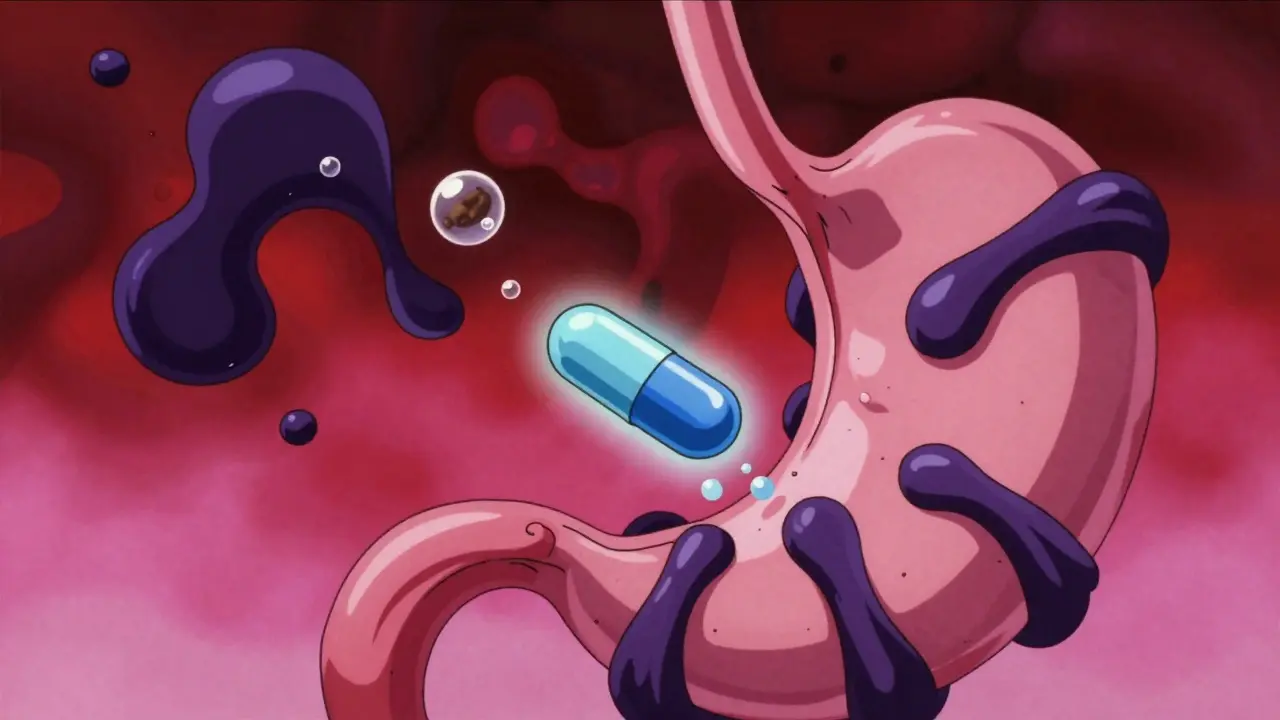
To understand why your espresso is interfering with your pills, we need to look at what happens inside your stomach. Levothyroxine is a fragile molecule. It needs a specific environment in your upper intestine to dissolve and enter your bloodstream. When you drink coffee, you introduce compounds called chlorogenic acids and polyphenols. These substances bind to the levothyroxine in your gastrointestinal tract, essentially trapping it so your body can’t absorb it.
It’s not just about the caffeine. While caffeinated coffee does stimulate colon movement-which speeds up transit time and gives the drug less time to absorb-decaffeinated coffee still causes significant interference. A study published in the American Journal of Therapeutics found that both regular and decaf coffee reduced serum T4 levels compared to water. The mechanism is chemical binding, not just digestive speed.
The impact is measurable. In clinical trials, patients who took their medication with coffee saw their peak serum T4 levels drop by nearly 30%. This means the medicine never reaches the concentration needed to regulate your metabolism. If your blood test shows a high TSH level (Thyroid Stimulating Hormone), it’s often because your pituitary gland is screaming for more thyroid hormone that simply wasn’t absorbed.
The Critical Timing Window
So, how long do you have to wait? The general medical consensus recommends a separation of at least 60 minutes. However, recent data suggests this window might need to be longer for some people. Dr. Mario Rotondi’s research, published in Frontiers in Endocrinology in 2022, highlighted a stark contrast in patient outcomes based on timing.
Patients who drank coffee or tea within one hour of their dose had average TSH levels of 6.62 mIU/L, which indicates underactive thyroid function. In contrast, those who waited at least four hours after their medication had TSH levels averaging 0.75 mIU/L, right in the optimal range. This suggests that while 60 minutes is the minimum, waiting closer to 4 hours may provide the most stable results, especially if you are sensitive to dosage fluctuations.
- Minimum Wait: 60 minutes before drinking any coffee, including decaf.
- Optimal Wait: 4 hours for maximum absorption stability, particularly if you consume multiple cups.
- Espresso vs. Brewed: Espresso showed greater interference than brewed coffee in some studies due to higher concentration of polyphenols, but both require spacing.
If you’ve been taking your pill and immediately sipping coffee, your body has likely been operating on a fraction of your prescribed dose. This explains why increasing the dosage didn’t help-you were just pouring more medicine into a blocked pipe.
Tablets vs. Liquid Formulations
Not all levothyroxine products are created equal when it comes to food interactions. The standard tablet form is highly vulnerable to dietary interference. However, alternative formulations exist that change the game entirely.
| Formulation Type | Bioavailability with Coffee | Recommended Wait Time | Best For |
|---|---|---|---|
| Standard Tablet (e.g., Synthroid) | Low (62-82% normally, drops significantly with coffee) | 60-240 minutes | Patient adherent to strict fasting routines |
| Liquid Solution (e.g., Tirosint) | High (98.7% bioavailability maintained) | No wait required | Coffee lovers who hate waiting |
| Soft Gel Capsule | Moderate to High | 30-60 minutes | Those seeking a middle ground |
Liquid levothyroxine, such as the brand Tirosint, has shown remarkable resilience against dietary interference. Research indicates that liquid formulations maintain stability even when mixed with coffee, tea, or orange juice. This is because the liquid bypasses the dissolution step where coffee compounds typically bind to the drug. If you struggle with the morning wait, asking your doctor about switching to a liquid or soft-gel option could be a life-changing adjustment.
Real-World Impact on Symptoms
Does this timing really matter in daily life? Absolutely. Consider the case documented in PubMed where a patient’s TSH levels fluctuated wildly between 1.8 and 14.2 mIU/L solely based on whether they drank coffee immediately after their pill or waited. No dosage change was made; only the timing shifted.
When absorption is blocked, symptoms return. Fatigue sets in by mid-morning. Weight creeps up despite diet changes. Mood swings and depression become harder to manage. A survey of thyroid patients revealed that 78% reported improved symptom management after implementing a strict coffee-medication separation protocol. One user noted their TSH dropped from 12.4 to 2.1 simply by waiting 60 minutes.
Conversely, 22% of users reported no noticeable difference. This variability highlights individual differences in gut physiology and metabolism. Some people’s bodies are more efficient at extracting the drug despite interference, while others are highly sensitive. If you’re in the latter group, ignoring the timing advice could lead to chronic under-treatment.
How to Adjust Your Morning Routine
Changing a deeply ingrained habit is hard. Sixty minutes feels like an eternity when you’re rushing out the door. Here are practical strategies to make the transition smoother:
- Pre-Brew Your Coffee: Start your coffee maker before you get out of bed. By the time you’ve brushed your teeth and taken your pill, the coffee is ready, but you resist the urge to drink it immediately.
- Use Visual Cues: Keep a separate mug labeled “Medication First” or place your coffee pot in a different room until the timer goes off.
- Switch to Liquid Meds: If waiting is impossible, discuss liquid levothyroxine with your endocrinologist. It eliminates the wait time entirely.
- Monitor Your TSH: After changing your routine, request a blood test in 6-8 weeks. Look for stabilization in your TSH levels within the target range of 0.4-4.0 mIU/L.
Remember, consistency is key. It takes about 2-4 weeks for your body to adjust to a new absorption pattern. Don’t get discouraged if you don’t feel better overnight. The goal is steady, reliable hormone levels.

Other Dietary Interferers to Watch
Coffee isn’t the only culprit. While it’s a major player, other foods and supplements can also block levothyroxine absorption. Understanding the hierarchy of interferers helps you prioritize what to avoid.
- Calcium Supplements: Can reduce absorption by up to 90%. Wait at least 4 hours between calcium and thyroid meds.
- Iron Supplements: Similar to calcium, iron binds strongly to levothyroxine. Separate by 4 hours.
- Soy Products: Reduce absorption by 15-20%. Moderate intake is usually fine, but large doses of soy protein isolate should be spaced out.
- High-Fiber Foods: Fiber can trap the medication. Try to eat low-fiber breakfasts on medication days or space high-fiber meals away from your dose.
Tea is another common morning beverage. Recent studies suggest tea may interfere similarly to coffee, though the data is less consistent. If you switch from coffee to tea to “save” your morning routine, you might still be facing absorption issues. Stick to water for the first hour after your pill.
Frequently Asked Questions
Can I drink decaf coffee with levothyroxine?
No, you should still wait at least 60 minutes. Decaf coffee contains chlorogenic acids and polyphenols that bind to levothyroxine, reducing absorption just like regular coffee. The lack of caffeine doesn’t eliminate the chemical interference.
How long does it take for TSH levels to stabilize after fixing coffee timing?
It typically takes 6 to 8 weeks for your TSH levels to fully reflect changes in absorption. Thyroid hormones have a long half-life, so your body needs time to reach a new equilibrium. Schedule a follow-up blood test after two months of consistent timing.
Is liquid levothyroxine better than tablets?
Liquid levothyroxine offers more consistent absorption and is not affected by coffee or food interactions. It is often recommended for patients who have difficulty adhering to fasting requirements or who experience fluctuating TSH levels despite dose adjustments.
What if I accidentally drink coffee right after my pill?
Don’t panic. One instance won’t ruin your treatment. Just resume your correct routine the next day. If this happens frequently, consider switching to a liquid formulation or setting alarms to remind you of the waiting period.
Does adding milk to coffee reduce the interaction?
Milk contains calcium, which is a strong inhibitor of levothyroxine absorption. Adding milk may actually worsen the interference. Black coffee is slightly better than coffee with milk, but neither should be consumed within the critical window.