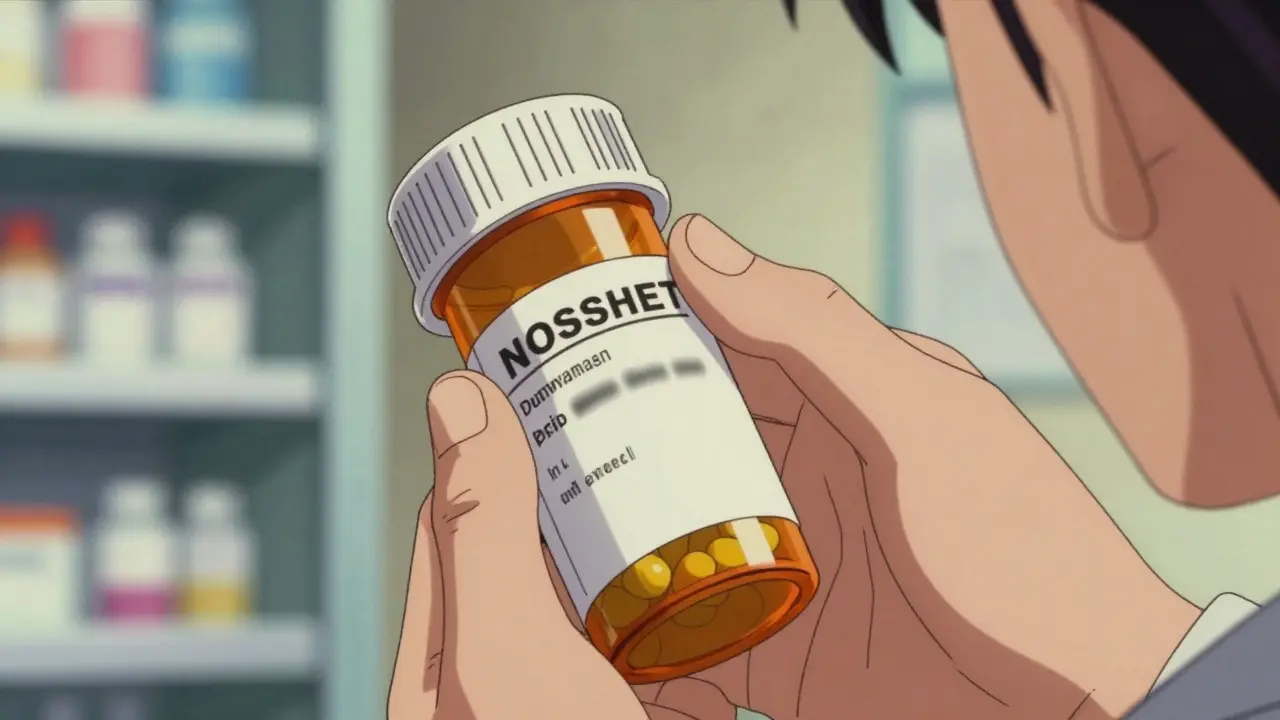
Imagine picking up a life-saving medication, but the label is written in a language you barely understand. You see a word that looks like "daily," but does that mean once a day or every few hours? For millions of people, this isn't a hypothetical fear-it's a daily risk. When there is a language barrier between a patient and their pharmacist, the chance of a dangerous mistake skyrockets. In fact, people with Limited English Proficiency is a condition where a person does not speak English well enough to communicate effectively in a healthcare setting are up to three times more likely to suffer from adverse drug events than those who are fluent in English.
The goal is simple: everyone should know exactly how to take their medicine, regardless of the language they speak at home. This isn't just about convenience; it's about preventing hospitalizations and saving lives. Whether you are a patient, a caregiver, or a healthcare provider, getting clear, validated instructions is the only way to bridge this gap.
The Real Cost of Language Barriers in Pharmacy
When instructions are misunderstood, the results can be catastrophic. We've seen cases where patients accidentally drank nebulizer solutions because the container looked like a syringe, or took blood thinners twice as often as prescribed because of a mistranslated word. These aren't just "misunderstandings"; they are systemic failures in Medication Safety, which is the practice of ensuring the right patient receives the right dose of the right drug at the right time.
Data shows a stark divide in how patients experience care. While some might feel comfortable asking for help, many don't. A study from Northwestern University found that over 90% of non-English speakers wanted more information about their dosage and side effects, but only about a third actually received it in a language they understood. This creates a dangerous environment where patients rely on guesswork or outdated memories of what the doctor said during a brief appointment.
Why "Quick Fixes" Like Google Translate Fail
It's tempting to pull out a smartphone and use a free translation app. However, in a medical context, this can be incredibly risky. Medical terminology is precise; a slight shift in phrasing can change a "once daily" instruction into something completely different. The FDA has actually warned that unvalidated AI translations can have error rates as high as 43%.
Relying on family members-especially children-to translate is another common but flawed strategy. While well-intentioned, family members often lack the medical training to translate complex terms accurately. Reports from the Institute for Safe Medication Practices indicate that using ad hoc interpreters leads to 65% higher error rates compared to professional services. Professional medical translation doesn't just swap words; it ensures the meaning and the intent of the medical instruction remain intact.
| Method | Typical Comprehension Rate | Risk Level |
|---|---|---|
| Validated Professional Translation | 95% - 100% | Low |
| Professional Interpreters | 92% | Low |
| Bilingual Pharmacy Staff | 42% | Medium |
| Unvalidated AI/App Translation | Variable (High Error Rate) | High |
| Family Member Translation | Low/Unreliable | Very High |
Better Ways to Access Clear Instructions
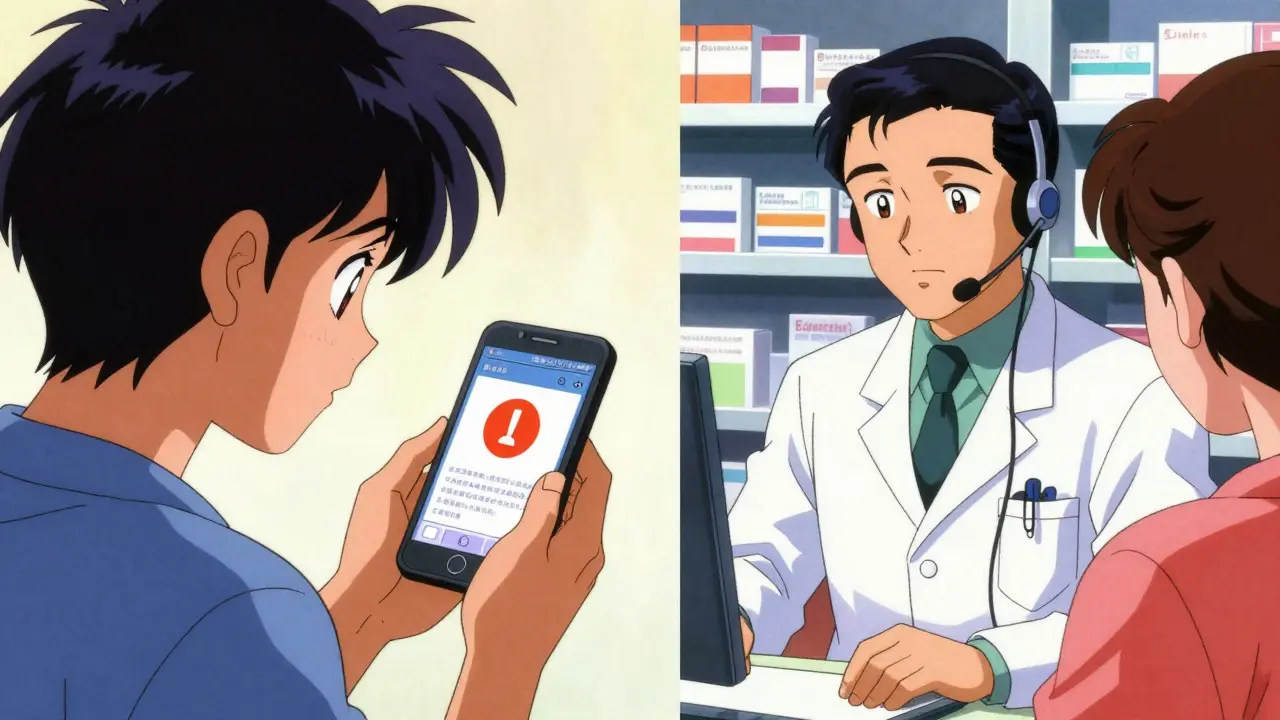
If you or a loved one struggles with English, you don't have to settle for confusing labels. There are specific systems and rights you can lean on to ensure safety. In the US, for instance, Title VI of the Civil Rights Act requires that healthcare providers provide meaningful access to services for people with limited English proficiency.
Here is a practical checklist for ensuring medication safety:
- Request Bilingual Labels: Ask your pharmacist if they use services like RxTran or other professional translation tools that provide labels in your native language.
- Ask for a Certified Interpreter: Don't rely on a staff member who "knows a bit of the language." Request a certified medical interpreter who understands clinical terminology.
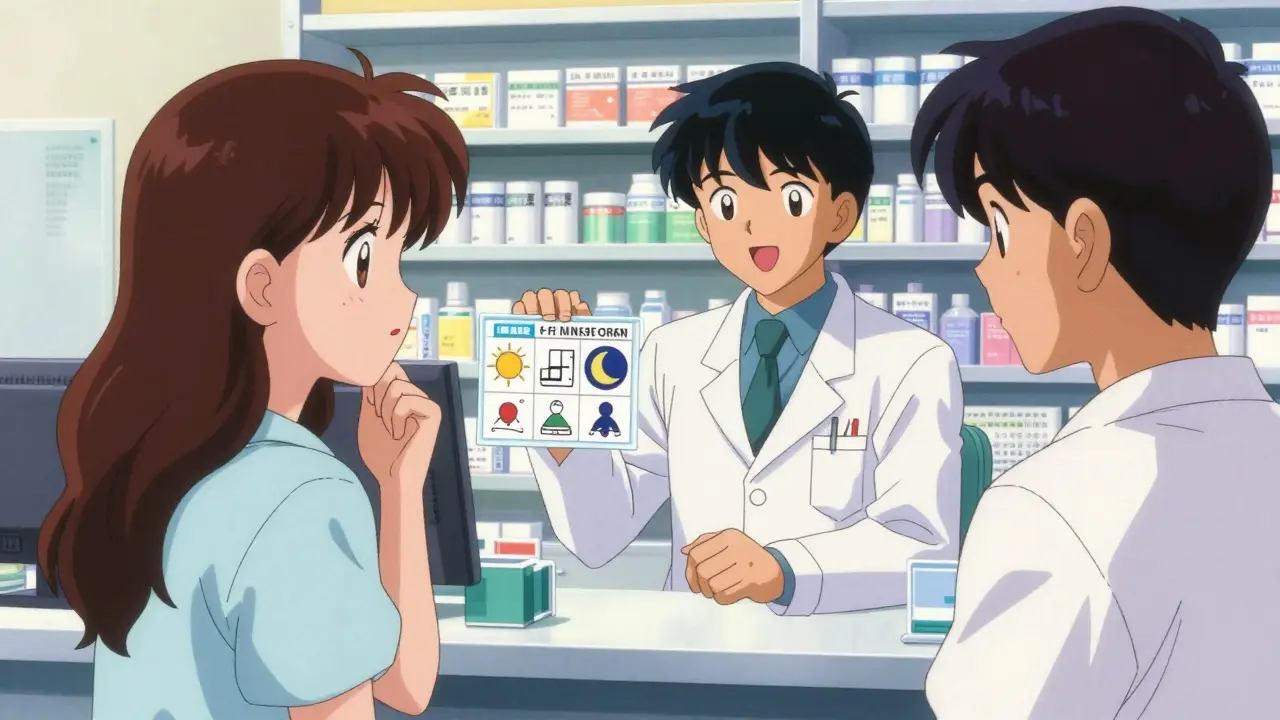
- Use Visual Aids: Ask for pictograms or universal symbols (standardized by ISO 3864) that show when and how to take the medicine (e.g., a sun for morning, a moon for night).
- The "Teach-Back" Method: After receiving instructions, explain them back to the pharmacist in your own words. If they can't confirm you've got it right, the instructions aren't clear enough.
How Pharmacies are Improving the System
The industry is slowly moving toward a more integrated approach. Modern pharmacy management systems-such as PioneerRx or Rx30-are starting to integrate translation APIs. This allows a pharmacist to click a button and generate a professionally validated label in languages ranging from Arabic and Chinese to Vietnamese and Spanish.
The most successful pharmacies use a "layered" approach. They don't just give a translated piece of paper; they combine it with verbal counseling from a professional interpreter and a culturally tailored education pamphlet. This combination has been shown to reduce medication errors by nearly 60% and significantly boost how well patients stick to their treatment plans.
Common Pitfalls to Avoid
One major trap is the "English-only" assumption. Many providers assume that if a patient can handle a basic conversation in English, they can handle a complex medical prescription. This is a mistake. Medical English is a different beast entirely. Even native speakers struggle with labels; those with limited proficiency are at a massive disadvantage.
Another issue is the lack of systematic tracking. Many pharmacies don't have a clear way to mark a patient's language preference in their file. This means every time you visit, you have to fight the same battle to get the help you need. It's helpful to ask the pharmacy to permanently note your language preference in your patient profile to trigger these services automatically.
Can I legally demand a translated prescription label?
In many regions, yes. In the U.S., federal law (Title VI of the Civil Rights Act) requires healthcare providers receiving federal funds to provide meaningful access to LEP patients. Some states, like California and New York, have even stricter local mandates requiring translations for the most commonly spoken languages in the area.
Is Google Translate safe for medical dosages?
No. Automated translation tools often miss the nuance of medical terminology. For example, they may mistranslate "daily" or "every other day," which can lead to dangerous overdoses or under-doses. Always use professionally validated medical translations.
What should I do if my pharmacist refuses to provide an interpreter?
You have the right to safe and accessible care. If a pharmacy cannot provide an interpreter, you can request a telephonic interpretation service (like LanguageLine) or contact your healthcare provider's patient advocate to ensure your rights are being met.
Why are pictograms better than just text?
Pictograms provide a universal visual cue that bypasses language entirely. While text tells you "take at bedtime," a picture of a moon is instantly understood by almost everyone, regardless of literacy level or primary language.
How does professional translation reduce errors?
Professional medical translators use "plain language" principles, simplifying complex jargon into a 6th-grade reading level that is easy for patients to grasp. Studies show this can reduce medication error rates by up to 62%.
Next Steps for Patients and Caregivers
If you are managing medications for someone who doesn't speak English, start by auditing their current bottles. Are there any labels that look confusing? Do they have a list of their medications translated into their native language? If not, make a list of all current prescriptions and bring it to the pharmacist.
Demand a "comprehension check." Don't just ask, "Do you understand?" Because most people will say yes even if they are confused. Instead, ask the patient to show you how they plan to take the medicine or have them explain the dose back to you. If the pharmacist is uncooperative, don't be afraid to switch to a pharmacy that prioritizes language access-it is a critical part of a patient's safety and overall health outcome.