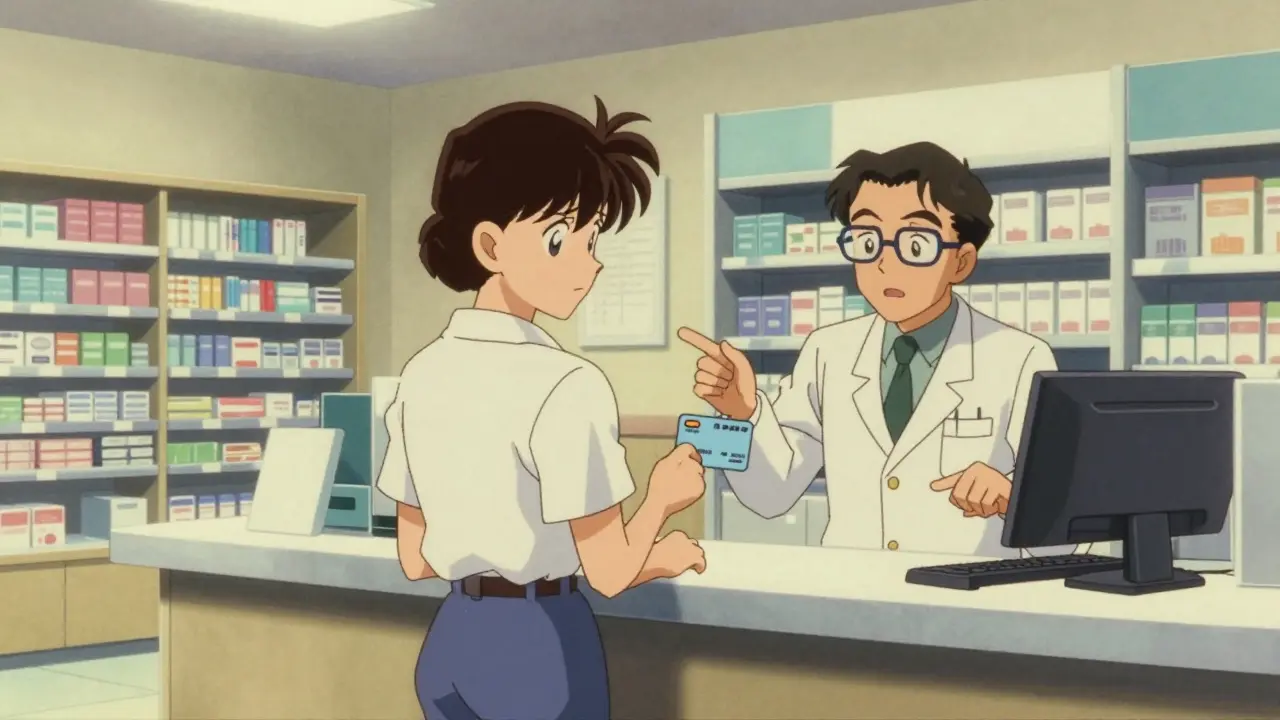
Getting the medicine you need shouldn't feel like a full-time job, but navigating the world of government insurance can sometimes feel exactly like that. If you're on Medicaid, you probably know that having a card in your wallet doesn't automatically mean every pill or cream at the pharmacy is free or even covered. Because Medicaid is a joint program between the federal government and individual states, the rules change the moment you cross a state line.
The good news is that almost every state provides outpatient prescription drug coverage. However, the "how" and "what" are managed through complex systems designed to keep costs down. Understanding these systems is the difference between walking out of a pharmacy with your medication or being told it's "not covered" and having to start a paperwork trail with your doctor. Here is a realistic look at how Medicaid prescription drug coverage actually works and how you can make it work for you.
The Core of Coverage: The Preferred Drug List (PDL)
You won't find one single master list of drugs for the whole country. Instead, each state creates a Preferred Drug List (PDL), which is essentially a formulary-a list of medications the state has agreed to cover. Think of this as a tiered system. Most states use a structure where Tier 1 consists of low-cost generic drugs and Tier 2 includes brand-name medications that usually come with a higher price tag or more restrictions.
Why does this matter? Because the state prefers you use the cheapest effective option. For example, if you need a medication for high blood pressure, Medicaid will likely cover three or four different generics first. If you want a specific brand-name version that isn't on the preferred list, you'll have to prove that the others didn't work. This is where things get a bit more complicated for patients.
Dealing with "Trial and Failure" and Prior Authorization
If your doctor prescribes a drug that isn't on the preferred list, you'll likely encounter a process called "trial and failure." In about 38 states, you might be required to try two different preferred drugs and "fail" (meaning they didn't work or caused bad side effects) before the state will pay for the non-preferred version. It can be frustrating to feel like a guinea pig, but it's how states manage their budgets.
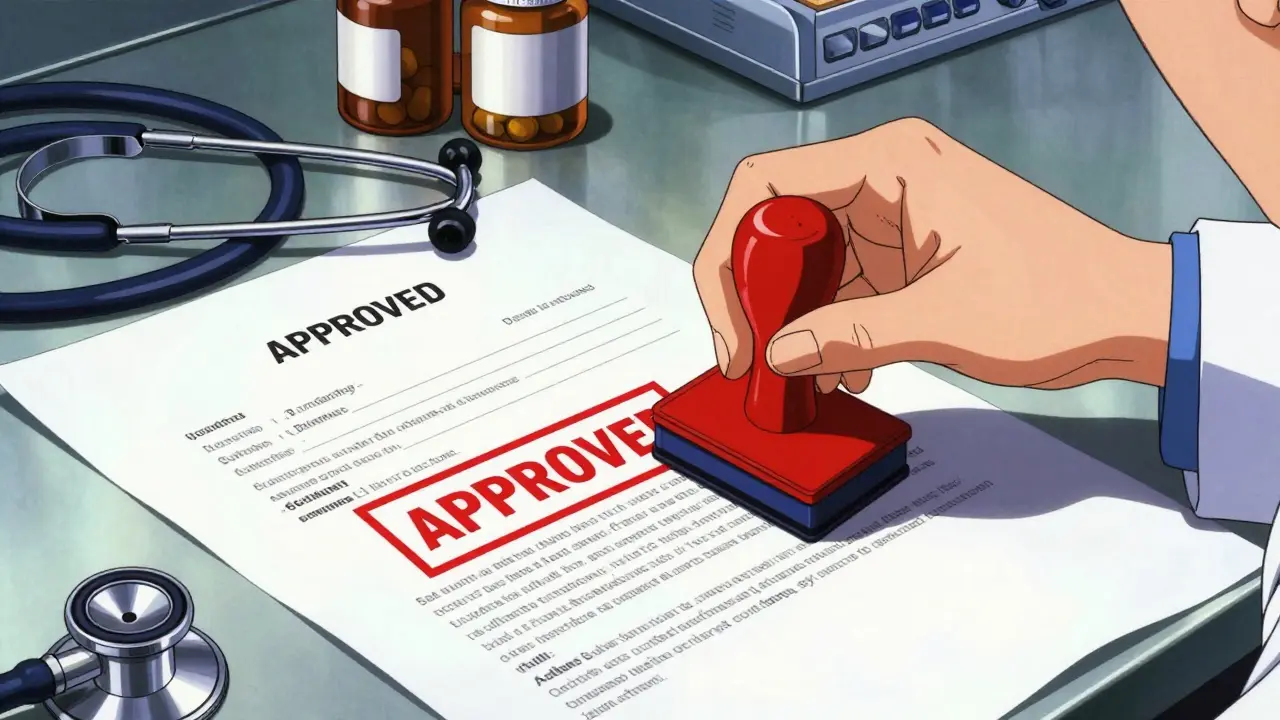
Then there is Prior Authorization. This is a requirement where your doctor must submit a formal request to Medicaid explaining why a specific drug is medically necessary before they will approve payment. According to data from the Medicare Rights Center, many people face delays here, with initial requests taking about seven business days on average. The key to winning a prior authorization battle is documentation. When a doctor provides detailed clinical notes showing exactly why the preferred alternatives aren't an option, the success rate for getting these denials overturned on appeal is nearly 80%.
| Tier/Category | Typical Medication Type | Access Requirement | Cost to Patient |
|---|---|---|---|
| Tier 1 (Preferred) | Generics | Immediate Access | Lowest/None |
| Tier 2 (Non-Preferred) | Brand-Name | Trial & Failure / Prior Auth | Higher Copay |
| Specialty Drugs | Biologics (e.g., for RA or MS) | Strict Clinical Documentation | Variable/High |
What Does it Actually Cost You?
For many, Medicaid means very low or zero copays. However, the exact amount depends on your state's rules and your specific eligibility. A huge help for those who also have Medicare (dual-eligibles) is the Extra Help program, also known as the Low-Income Subsidy. If you qualify, your costs drop significantly. In the 2025 structure, this can mean $0 premiums and $0 deductibles, with copays for generics staying around $4.90 and brand-names around $12.15.
It is worth noting that the Inflation Reduction Act has started to cap out-of-pocket costs at $2,000 annually for Medicare Part D users, which provides a massive safety net for those who fluctuate between Medicaid and Medicare coverage. If you aren't receiving Extra Help but think you should, ask your caseworker-over a million people miss out on this benefit simply because they aren't aware it exists.
Specialty Medications and High-Cost Treatments
Not all drugs are created equal in the eyes of the budget. While generics make up nearly 90% of what people use, they only account for about 27% of the total spending. The real budget-buster is specialty medications used for conditions like rheumatoid arthritis or multiple sclerosis. These often cost thousands of dollars per dose.
Because these drugs are so expensive, states are moving toward "value-based purchasing." This means the state might only pay for the drug if it actually produces a specific health outcome. If you're prescribed a high-cost biologic, be prepared for more frequent check-ups and more rigorous reporting to the insurance provider to prove the treatment is working.
Practical Tips for Navigating the Pharmacy
To avoid the stress of a rejected prescription, follow these steps:
- Check the PDL first: Most states host their Preferred Drug List online. If your doctor suggests a med, a quick search can tell you if it's "preferred" or not.
- Use In-Network Pharmacies: Not every pharmacy accepts every Medicaid plan. Using a non-participating pharmacy can mean you pay the full price out of pocket.
- Ask about Mail-Order: For maintenance meds (things you take every day for years), using the plan's preferred mail-order service is often easier and sometimes cheaper.
- Prepare for the "Fail": If you're starting a new treatment and it's non-preferred, ask your doctor to document the specific reasons why preferred options won't work *before* they send the script.
Common Pitfalls to Avoid
One of the biggest mistakes patients make is assuming a drug is covered just because it's "standard care" for their condition. Formularies change. For instance, some states have recently removed specific creams or tablets from their lists because the manufacturers stopped providing rebates to the state. If your medication was covered last year but isn't now, it might be because the drug is no longer "rebate eligible."
Another common hurdle is the timing of appeals. If a prior authorization is denied, don't just give up. 78% of initial denials are overturned when the physician provides a more complete set of clinical notes. The fight is usually worth it.
Does Medicaid cover all prescription drugs?
No. While most states cover outpatient drugs, they use a Preferred Drug List (PDL) to determine which specific medications are covered. If a drug isn't on the list, you may need to go through a "trial and failure" process or get a prior authorization from your doctor.
What is a "trial and failure" requirement?
This is a policy where the insurance requires you to try one or two cheaper, preferred medications first. If those drugs don't work or cause adverse reactions, Medicaid will then approve the more expensive, non-preferred drug you originally wanted.
How do I get a drug covered that isn't on the Preferred Drug List?
Your doctor must submit a Prior Authorization request. This involves providing clinical evidence and a statement of medical necessity explaining why the preferred drugs on the PDL are not suitable for your specific health needs.
What is the Extra Help program?
Extra Help is a Low-Income Subsidy for people with Medicare. It helps pay for Part D prescription drug premiums and lowers copayments. For many, it results in $0 premiums and very low copays for both generic and brand-name drugs.
Can the list of covered drugs change during the year?
Yes. States update their Preferred Drug Lists frequently-sometimes quarterly. A drug that was covered in January might be moved to "non-preferred" or removed entirely by October due to cost or rebate changes.
Toby Sirois
April 10, 2026 AT 18:54This is basic stuff. If you can't handle a simple PDL search, you're just not trying hard enough to manage your own health.
Rauf Ronald
April 10, 2026 AT 21:17Honestly, the best thing you can do is build a strong relationship with your clinic's nurse or social worker. They often know exactly which keywords to use in the prior authorization forms to get things pushed through faster.
Don't be afraid to call the pharmacy and ask for the specific NDC number of the drug that was rejected so your doctor can look for a covered alternative on the spot. It saves a ton of back-and-forth emails and phone calls!
Alexander Idle
April 12, 2026 AT 01:18Imagine thinking a 7-day waiting period for a prior auth is actually "average" when in reality it feels like a decade of my life just vanished into a void of paperwork. I am simply devastated by the inefficiency of it all. Truly, we are living in a golden age of red tape where the only thing that moves fast is the rate at which my patience evaporates into the ether. It's just so tragic, really, that we have to beg for basic chemistry to be approved by some suit in a cubicle who has never seen a patient in their life. I can't even wrap my head around the sheer audacity of the system. It's a tragedy in three acts. Act one is the denial. Act two is the appeal. Act three is the crushing realization that I might actually have to pay for this myself because I'm too exhausted to fight. Just purely exhausting. Absolutely grueling. I'm practically fainting just thinking about the logistics.
charles mcbride
April 13, 2026 AT 02:29It is truly wonderful to see these resources laid out clearly for everyone.
Daniel Trezub
April 13, 2026 AT 08:38I don't know, I feel like the mail-order tip is kind of overrated. Those packages always take forever and half the time the pharmacy screws up the quantity. I'd rather just deal with the local pharmacy and glare at them when the script isn't ready.
Rupert McKelvie
April 14, 2026 AT 13:13Keep fighting for your health, everyone. It takes a bit of effort but it's always worth it in the end to get the right treatment.
Sarabjeet Singh
April 15, 2026 AT 12:22Just keep your documents organized and stay patient. It'll work out.
Vivek Hattangadi
April 17, 2026 AT 06:16I totally agree with the point about Extra Help! I've seen so many people struggle just because they didn't know that subsidy existed. It really changes the game for dual-eligibles.
GOPESH KUMAR
April 17, 2026 AT 11:24The system is merely a reflection of the capitalist struggle where health is treated as a commodity rather than a right. These tiered lists are just a psychological game to make us feel like we're getting a deal while the pharmaceutical companies keep the real profits. It's all quite obvious if you just think about it for two seconds.
Michael Flückiger
April 18, 2026 AT 19:59Just keep pushing!!! Don't let them tell you NO!!!! You deserve the best meds!!!!