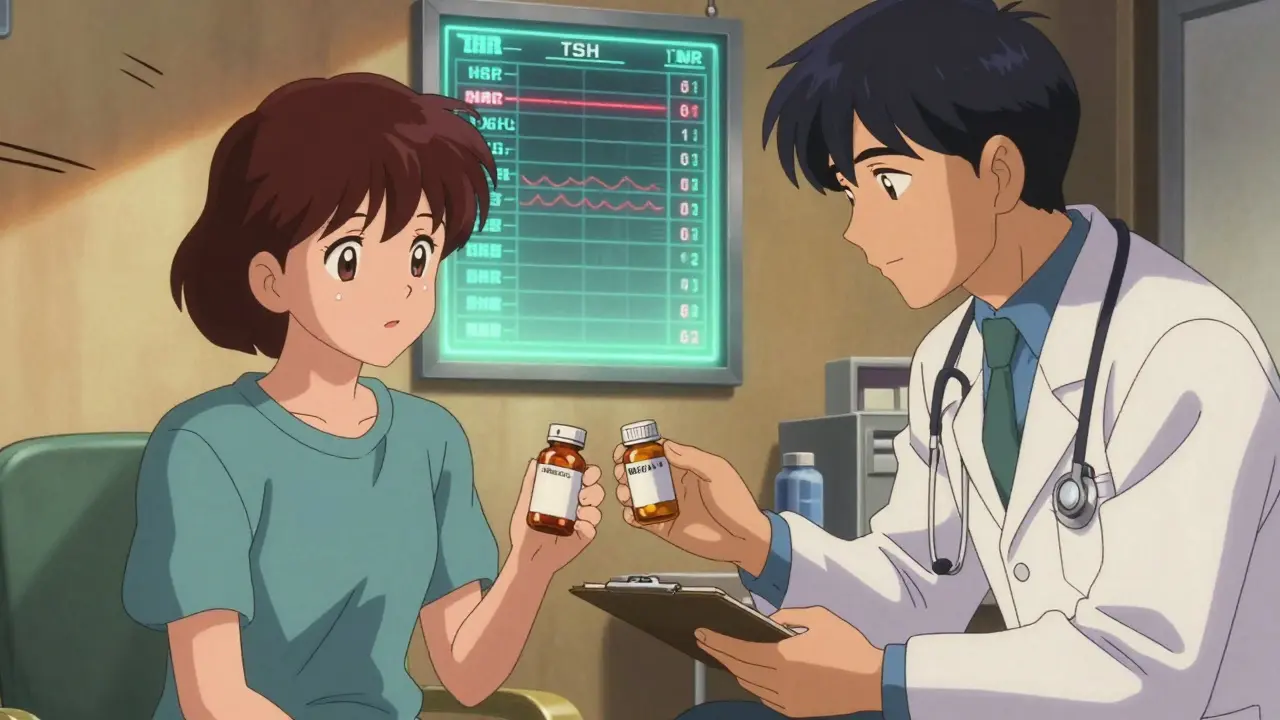
Switching from a brand-name medication to a generic version sounds simple: same active ingredient, lower cost, right? But for some people, that switch isn’t just about money-it’s about how their body reacts. If you’ve noticed changes in how you feel after your pharmacy filled a generic version of your prescription, you’re not alone. And you have every right to talk to your doctor about staying on the brand.
Why Some People Need to Stay on Brand Medication
Not all generics are created equal in how they affect your body. The FDA says generics must be bioequivalent to brand-name drugs, meaning they deliver the same active ingredient at the same rate and amount. But here’s the catch: bioequivalence doesn’t mean identical. Generics can differ in inactive ingredients-like dyes, fillers, preservatives, or coatings. These might seem harmless, but for some people, they trigger real problems.For example, if you’re on levothyroxine for thyroid issues, even tiny changes in absorption can throw your hormone levels off. A 2021 study in Neurology found that switching from brand-name anti-seizure drugs to generics led to a 23% higher chance of seizure recurrence. Patients on warfarin, a blood thinner, saw a 17% spike in emergency visits after switching between generic manufacturers. Why? Because these drugs have a narrow therapeutic index-small changes in blood levels can mean big health risks.
And it’s not just about effectiveness. About 7% of patients report allergic reactions or intolerances to inactive ingredients in generics. Lactose, gluten, or artificial colors can cause bloating, rashes, or headaches in sensitive individuals. If you’ve ever felt off after a pill change but couldn’t explain why, it might be one of these hidden ingredients.
What to Say to Your Doctor
Talking to your doctor about staying on brand doesn’t mean arguing. It means showing up prepared. Start by documenting what happened. Keep a simple log: when you switched, what symptoms appeared, and when they improved after going back to the brand. Include dates, severity (on a scale of 1-10), and any lab results that changed-like INR levels for warfarin or TSH for thyroid meds.Use clear, specific language. Instead of saying, “I don’t trust generics,” say: “After switching to the generic version of my seizure medication, I had three seizures in two months. I hadn’t had one in five years on the brand. When I went back to the original, they stopped.” That’s data. That’s hard to ignore.
Bring your medication bottles to the appointment. Point out the inactive ingredients listed on the generic label and compare them to the brand. If you know your body reacts to certain dyes or fillers, say so. Your doctor needs to understand this isn’t preference-it’s medical necessity.
Use the SBAR method: Situation, Background, Assessment, Recommendation. For example:
- Situation: “I had a seizure last week.”
- Background: “I switched to generic Keppra three months ago. Before that, I was on the brand for five years with no seizures.”
- Assessment: “My neurologist’s notes from last year show stable levels on the brand. My recent blood test shows a drop in drug concentration.”
- Recommendation: “I’d like to stay on the brand unless there’s a safer, proven alternative.”
This approach works. A 2022 study in the AMA Journal of Ethics found that using SBAR increased successful outcomes in 78% of cases where patients requested brand-name drugs.
Insurance and Prior Authorization
Most insurance plans push for generics because they’re cheaper. But that doesn’t mean you’re stuck. Your doctor can request a prior authorization for the brand-name drug. This means they’ll submit documentation to your insurer explaining why the generic won’t work for you.What does that look like? They’ll need:
- Proof of therapeutic failure with the generic (lab results, symptom logs)
- Documentation of allergic reaction to inactive ingredients
- Evidence that switching caused a decline in your condition
According to a 2023 Kaiser Family Foundation report, 72% of insurance denials for brand-name drugs are overturned when you appeal with solid documentation. That’s more than two out of three. Don’t give up after the first “no.”
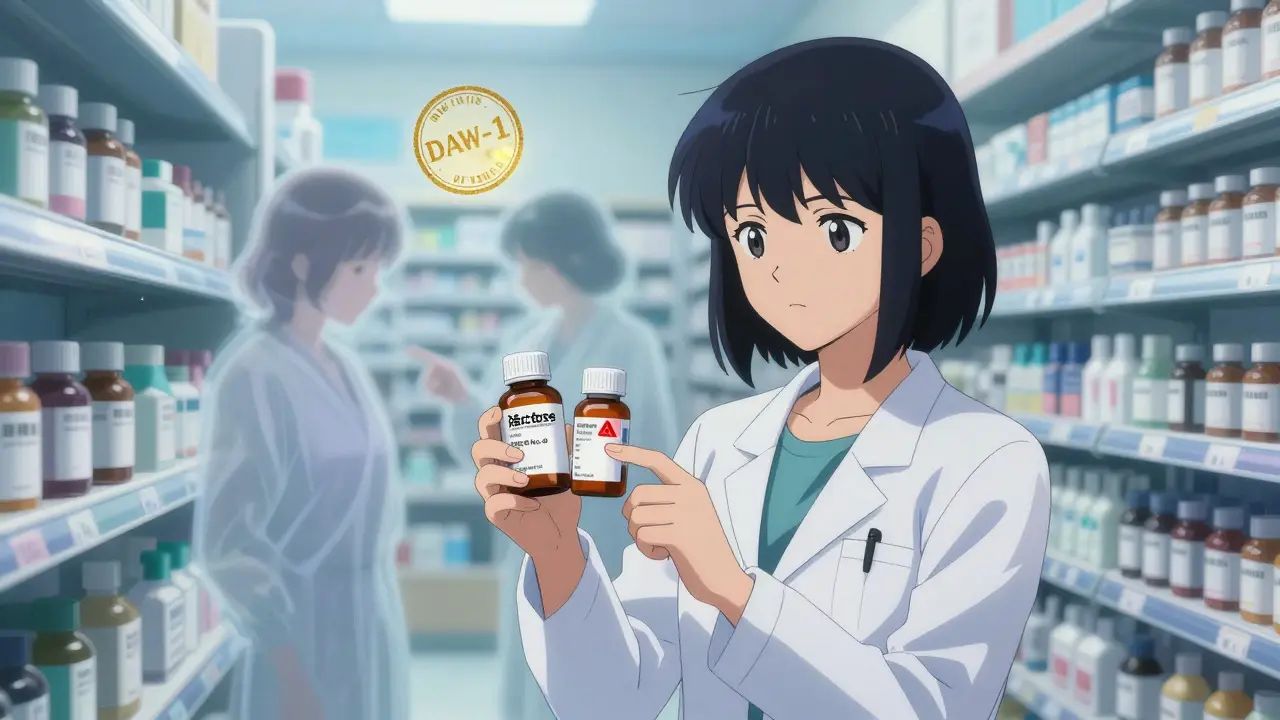
Ask your doctor to write “Dispense as Written” (DAW-1) on the prescription. This code tells the pharmacy: “Do not substitute.” Some states require patient consent before substitution, but 47 states let pharmacists swap generics without asking. DAW-1 gives you legal backing.
How to Get the Evidence You Need
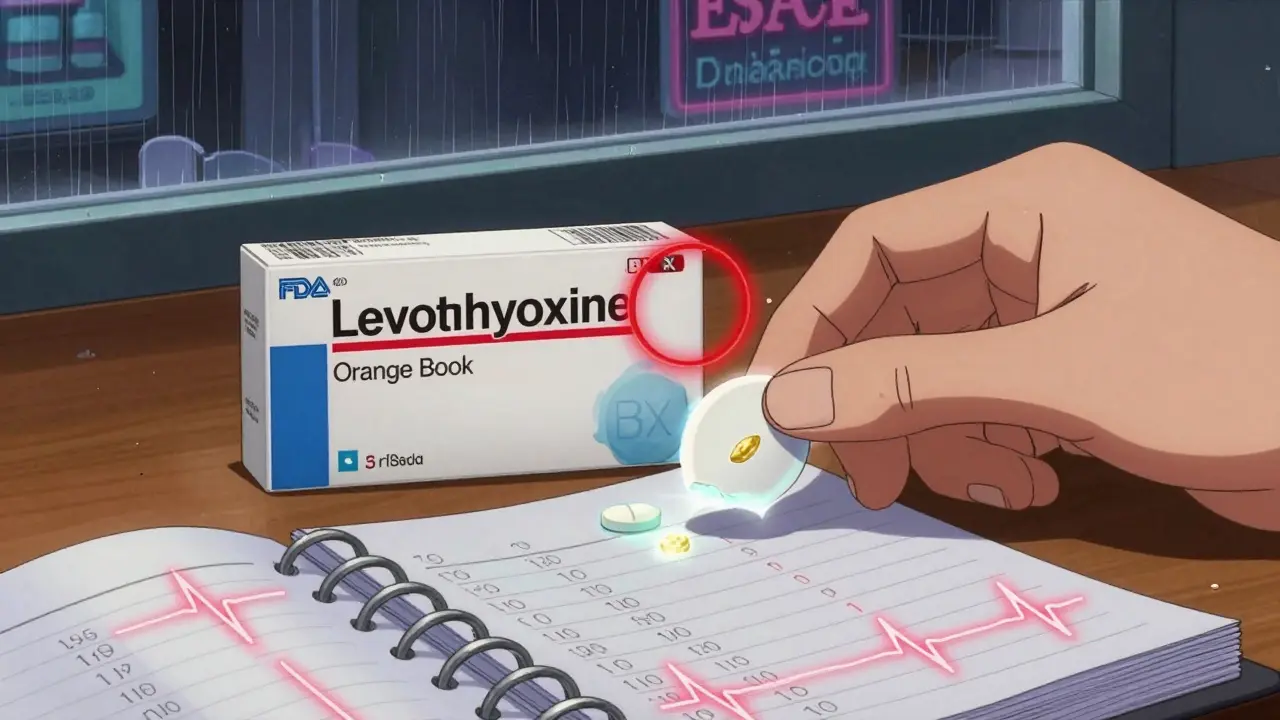
You don’t need to guess what’s in your meds. Use the FDA’s Orange Book (available online). Search for your drug by name. It lists all approved brand and generic versions, their active ingredients, and whether they’re rated as therapeutically equivalent. If your brand has an “AB” rating, it’s considered interchangeable. But if it’s “BX,” that means there’s no generic that’s proven equivalent-your doctor can use that to argue for staying on brand.Also, check the inactive ingredients. The FDA’s Drugs@FDA database lets you look up the exact formulation of your brand-name drug. Print the list and bring it to your appointment. If your generic has a dye you know you’re sensitive to, highlight it. This isn’t paranoia-it’s precision.
Pharmacists can help too. Ask them to compare the inactive ingredients between your brand and the generic. Many will gladly do it. They see these switches every day. Some even tell patients: “I’ve seen people react to the gluten in this generic version. I’d stick with the brand if I were you.”
What About Cost?
Yes, brand-name drugs cost more. But ask yourself: what’s the real cost of a bad reaction? Emergency room visits, missed work, hospital stays-they add up fast. A 2022 study in the American Journal of Managed Care found that patients who switched generic warfarin had 17% more ER visits. That’s not just money-it’s risk.Some drug manufacturers offer patient assistance programs. If you’re on a brand like Keppra, Lamictal, or Synthroid, check the company’s website. Many have co-pay cards or free trials. Medicare Part D has an exceptions process too-57% of requests for brand-name drugs are approved when you submit proper clinical records.
If your insurance still refuses, ask your doctor about an appeal. Submit your symptom log, lab results, and pharmacy records. You’re not asking for special treatment. You’re asking for safe, effective care.
When Generics Are Fine-and When They’re Not
Most people switch to generics without issue. For antibiotics, blood pressure meds, or antidepressants, generics work just as well. But for drugs where tiny changes matter, the risks are real:- Thyroid meds (levothyroxine) - Small absorption differences affect hormone balance
- Anti-seizure drugs (Keppra, Lamictal) - Higher seizure risk after switching
- Blood thinners (warfarin) - Unstable INR levels lead to bleeding or clots
- Immunosuppressants (cyclosporine, tacrolimus) - Risk of organ rejection
- Psychiatric drugs (lithium, valproate) - Mood swings, relapse
If you’re on one of these, don’t assume the generic is safe. Ask your doctor: “Is this one of those drugs where switching could be risky?”
What to Do Next
Start today. Don’t wait until you’re in crisis.- Check your current prescription-is it a brand or generic?
- Look up your drug on the FDA’s Orange Book. Note its therapeutic rating.
- Review your symptom history. Did anything change after a switch?
- Write down your concerns. Bring them to your next appointment.
- Ask your pharmacist to compare the inactive ingredients.
- Request a DAW-1 code on your prescription.
You know your body better than anyone. If something feels off after a medication change, trust that feeling. You’re not being difficult-you’re being responsible. And you have the right to ask for what keeps you healthy.
Can my pharmacist substitute a generic without my permission?
In 47 U.S. states, pharmacists can switch your brand-name drug to a generic without telling you or getting your doctor’s approval. Only 12 states require patient consent. To prevent this, ask your doctor to write "Dispense as Written" (DAW-1) on your prescription. This legally blocks substitution.
Are generics less effective than brand-name drugs?
For most medications, yes-they’re equally effective. But for drugs with a narrow therapeutic index-like thyroid meds, seizure drugs, or blood thinners-even small differences in how the body absorbs the drug can lead to serious side effects or treatment failure. Studies show higher rates of seizures, hospital visits, and unstable lab values after switching these specific drugs to generics.
How do I prove I need to stay on brand?
Keep a symptom journal with dates and severity. Save lab results that show changes after switching (like INR, TSH, or drug levels). Bring your old and new pill bottles to your appointment. Ask your doctor to document your history of adverse reactions. This evidence is what insurers and doctors need to approve a brand-name exception.
What if my insurance denies my request?
Appeal the decision. Submit your symptom log, lab results, and doctor’s note. About 72% of denials are overturned on appeal when you provide clear clinical evidence. Your doctor can help file the appeal. Some manufacturers also offer patient assistance programs to reduce out-of-pocket costs.
Is it worth the extra cost to stay on brand?
If you’ve had a bad reaction to a generic, yes. Emergency room visits, hospitalizations, or missed work due to medication failure cost far more than the price difference. For drugs like warfarin or levothyroxine, staying on brand can prevent life-threatening complications. Talk to your doctor about cost-saving options-many brands offer coupons or patient support programs.
Robert Shiu
February 19, 2026 AT 16:05I’ve been on levothyroxine for 12 years, and when they switched me to generic, I felt like I was turning into a zombie. Brain fog, weight gain, fatigue-everything went sideways. Went back to brand, and boom, I’m myself again. My endo was skeptical at first, but once I showed her my TSH logs, she signed the DAW-1 without hesitation. You’re not crazy. You’re just paying attention. Keep pushing.
Also, ask your pharmacist to compare the fillers. My generic had lactose. I’m mildly intolerant. No one ever asked. That’s the problem.
Arshdeep Singh
February 20, 2026 AT 18:42Bro, generics are fine. You’re just weak. I’ve been on generic statins for 8 years, never had a hiccup. If your body can’t handle a little change, maybe you’re the problem, not the pill. Pharma companies are just milking the gullible. Get over it.
James Roberts
February 22, 2026 AT 18:06Wow. So, we’re now treating patients like lab rats, and expecting them to just... adapt? Meanwhile, the FDA’s "bioequivalent" standard is basically "close enough for government work."
And yet, we don’t let generic baby formula pass inspection if it’s 0.5% off in protein content. But a seizure drug? Eh, whatever. The system is broken, and we’re all just screaming into the void.
Also, I love how the article says "you’re not being difficult-you’re being responsible." That’s the whole damn point. We’ve turned medical care into a cost-cutting spreadsheet. Sad.
Danielle Gerrish
February 23, 2026 AT 08:17Oh my god, I JUST went through this last month with my Lamictal. I switched to generic because my insurance said "no choice," and then I had a panic attack so bad I called 911. I thought I was losing my mind. Turns out, my blood level dropped 30%. I cried for an hour in my doctor’s office. She hugged me. We cried together. I brought in my pill bottles like the article said. She wrote DAW-1 on the spot. I’m on brand again. I feel like I’ve been given my life back. If you’re reading this and you’re scared-don’t be. You have power. You’re not alone. I’m here. I’m rooting for you. You’re not weird. You’re not dramatic. You’re just fighting for your life. And you’re doing it right.
Also, I made a spreadsheet. I’ll share it if you want. I have columns for symptoms, dates, pharmacy names, even the color of the pill. It’s ridiculous. But it worked.
Liam Crean
February 25, 2026 AT 01:36Thanks for this. I’ve been too afraid to say anything to my doctor. I thought they’d think I was being difficult. But your breakdown of SBAR made it feel doable. I’m printing this out and taking it to my next appointment. Just... thank you.
madison winter
February 26, 2026 AT 15:11Interesting. I wonder how many of these "adverse reactions" are just placebo effects. People get anxious about generics, so they feel worse. Also, why are we letting patients dictate treatment based on anecdotal evidence? Science is science. If it’s FDA-approved, it’s fine. Let’s stop coddling.
Jeremy Williams
February 28, 2026 AT 03:30As someone who works in international public health policy, I must say: the U.S. healthcare system’s reliance on pharmaceutical intermediaries is a structural flaw. The FDA’s AB/BX classification system is a necessary but insufficient safeguard. The real issue is the lack of pharmacovigilance infrastructure for non-active ingredients. In Japan and Germany, pharmacists are legally required to disclose substitution changes. Here? We treat patients like afterthoughts.
Also, the DAW-1 code is brilliant. Why isn’t this mandatory?
Ellen Spiers
February 28, 2026 AT 05:20It is imperative to note that the assertion regarding the 23% increase in seizure recurrence following generic substitution is derived from a retrospective cohort study with inherent selection bias. The authors failed to control for concurrent medication changes, adherence fluctuations, or dosing inconsistencies. Moreover, the term "bioequivalent" is statistically defined within a 80-125% confidence interval-this does not equate to clinical equivalence, nor does it imply pharmacodynamic homogeneity. The conflation of statistical parameters with therapeutic outcomes is a persistent fallacy in patient advocacy literature. One must question the evidentiary threshold for overriding formulary protocols.
Maddi Barnes
March 1, 2026 AT 16:24OMG YES. I’m on Synthroid and switched once. My hair started falling out in clumps. I thought I was going through menopause at 32. Turns out, my TSH went from 1.8 to 7.2. My pharmacist, bless her soul, said, "Honey, I’ve seen this 20 times. Don’t take it. Go back." I cried. She gave me a hug. I got my brand back. Now I have a sticky note on my pill bottle: "NO SUBSTITUTION."
Also, if you’re on warfarin? Don’t even think about it. INR levels are not a suggestion. They’re a life-or-death number. I’m not mad. I’m just... really, really glad I didn’t ignore my gut.
❤️
Tommy Chapman
March 1, 2026 AT 16:27Who the hell cares if your pill is a different color? You’re not allergic to capitalism? Get a job. Pay for your meds. Stop whining. Generic = better. You’re just lazy.
Irish Council
March 3, 2026 AT 14:23They’re tracking your meds. They’re watching your INR. They’re in your pharmacy records. You think this is about health? It’s about data. They want to know who’s weak. Who’ll break. Who’ll pay extra. I’ve seen the algorithms. They’ll deny you 5 times before they approve. Then they’ll raise your premiums. This isn’t medicine. It’s a numbers game. Stay on brand. Fight. But don’t trust them.
Freddy King
March 5, 2026 AT 00:11Let’s be real-this whole thing is a pharma marketing ploy. Generic manufacturers are just as regulated. The fact that people report side effects after switching? Probably because they’re stressed about the switch. The placebo effect is real. Also, I’ve been on generic cyclosporine for 10 years post-transplant. Still here. So maybe it’s not the pill. Maybe it’s the narrative.
Laura B
March 6, 2026 AT 20:28This is so important. I work in a clinic and see this every week. Patients come in terrified because their meds "don’t feel right." We always check the label. Sometimes it’s a dye. Sometimes it’s the coating. Sometimes it’s just the dose timing being off because the generic pill is a different size. We’ve started keeping a binder of inactive ingredients. Patients love it. It makes them feel seen. If you’re struggling, bring your pill bottles. Ask for help. You’re not alone.