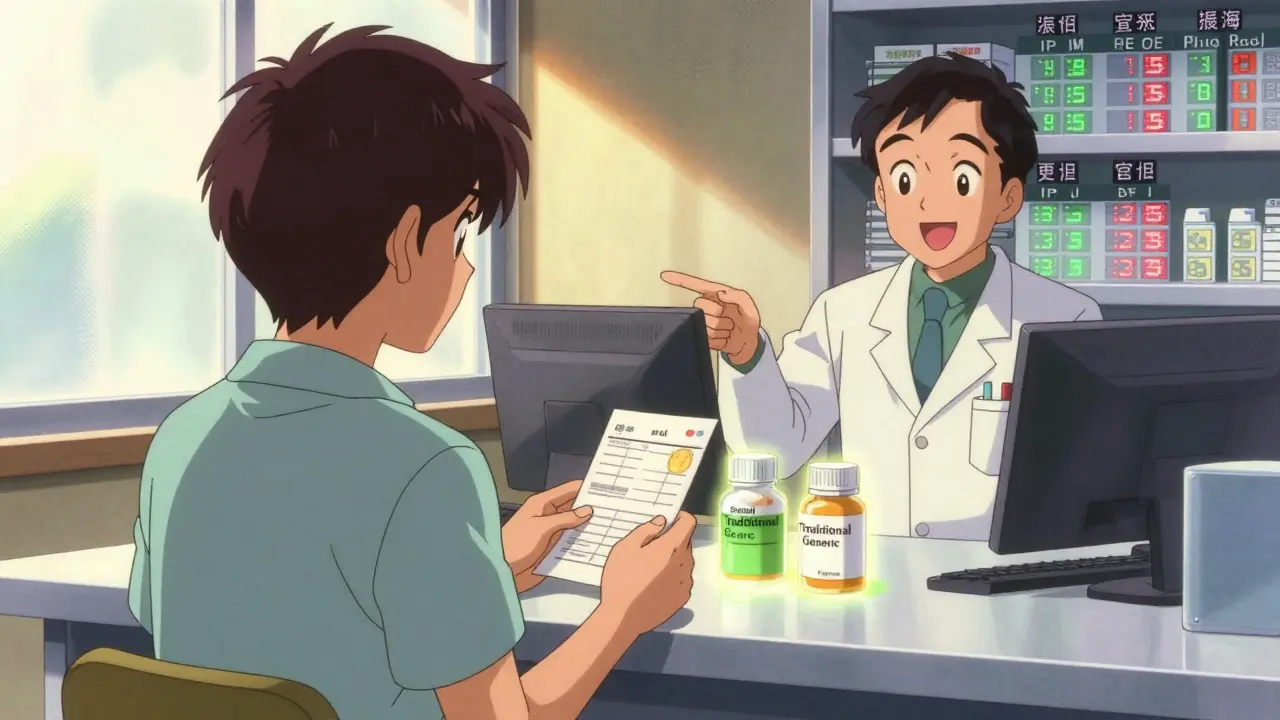
Every year, Americans spend over $400 billion on prescription drugs. But here’s the thing: generics are responsible for 90% of all prescriptions filled - and only 17.5% of total drug spending. That’s not a coincidence. It’s savings. Real, measurable, life-changing savings. Yet most people don’t know how to ask for them properly - or worse, they don’t ask at all.
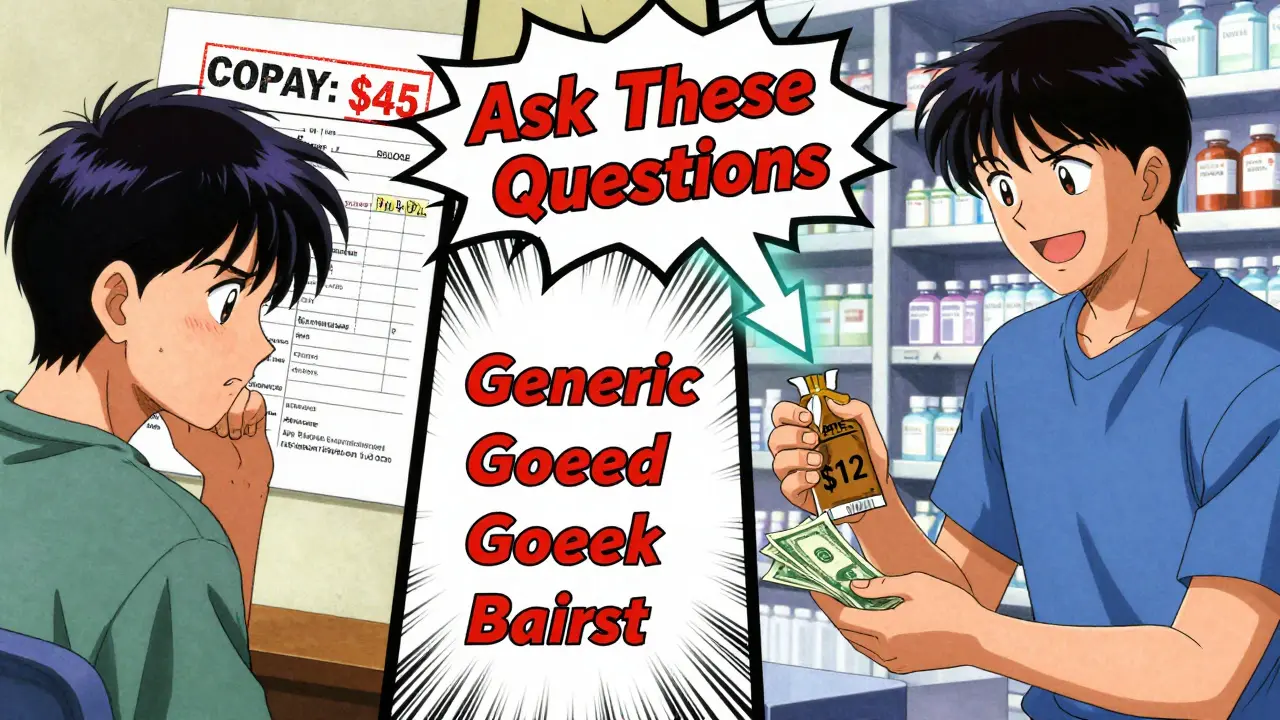
Let’s say you’re on a blood pressure med that costs $120 a month. Your copay is $50. You walk into the pharmacy, and the pharmacist says, "There’s a generic." You nod, take it, and think you’ve done your part. But what if that generic is an authorized generic - made by the same company that makes the brand - and your insurance still charges you $45? Meanwhile, the traditional generic, made by a different manufacturer, costs $25 out-of-pocket? You’d be paying $20 more a month. That’s $240 a year. Over five years? $1,200. All because you didn’t ask the right questions.
What’s the Difference Between Generic and Authorized Generic?
Not all generics are the same. A generic drug is a copy of a brand-name medicine. It has the same active ingredient, same dose, same way it works in your body. The FDA requires it to be bioequivalent - meaning it delivers the same amount of medicine into your bloodstream as the brand. It’s not cheaper because it’s weaker. It’s cheaper because the manufacturer didn’t pay for the original research.
An authorized generic is different. It’s made by the same company that makes the brand-name drug - sometimes even in the same factory. But instead of selling it under the brand name, they slap a generic label on it and sell it at a lower price. Think of it like a car manufacturer making the exact same model, but selling it under a different badge. It’s identical in every way - same pills, same packaging, same manufacturer - just cheaper.
Why does this matter? Because insurance companies treat them differently. Some plans put authorized generics on a higher tier than traditional generics. That means even though the drug is the same, your copay might be higher. Other times, the opposite is true. It depends on your plan’s contract with your pharmacy benefit manager (PBM). And most pharmacists don’t know the difference.
How Much Can You Really Save?
The numbers don’t lie. In 2022, generic drugs saved the U.S. healthcare system $408 billion. That’s more than the entire GDP of Ireland. And most of that came from just a few big drugs.
Take Truvada, the HIV prevention pill. Before generics, it cost $50 per tablet. After generic entry, it dropped to $3. That’s a 94% price drop. For someone taking it daily, that’s $18,000 saved per year. That’s not theoretical. That’s real.
Authorized generics often start even lower. A JAMA Internal Medicine study found that authorized generics for Epclusa (hepatitis C), Harvoni (also hepatitis C), and certain insulins were priced 50% to 67% below the brand. But here’s the catch: those are list prices. What you pay at the counter? That’s another story.
According to the Association for Accessible Medicines, the average copay for a generic is $6.16. For a brand, it’s $56.12. But that average hides the mess. Some people pay $45 for an authorized generic. Others pay $10 for a traditional generic. Same drug. Same effectiveness. Different price. Why? Because of how insurance negotiates rebates behind the scenes.
What to Say at the Pharmacy (Word-for-Word Scripts)
You don’t need to be a pharmacist to get the best price. You just need to ask the right questions. Here’s exactly what to say - no jargon, no fluff.
- "Is there a generic version available?" - Always start here. If the answer is no, ask why. Is it because the patent hasn’t expired? Or because the manufacturer hasn’t launched one yet?
- "Is this an authorized generic?" - If they say yes, ask: "Is it made by the same company as the brand?" If they say yes, then ask: "How does my insurance treat authorized generics compared to other generics?"
- "Can I get the traditional generic instead?" - Sometimes the traditional generic is cheaper, even if the authorized one is listed as lower on the formulary. Ask them to check both.
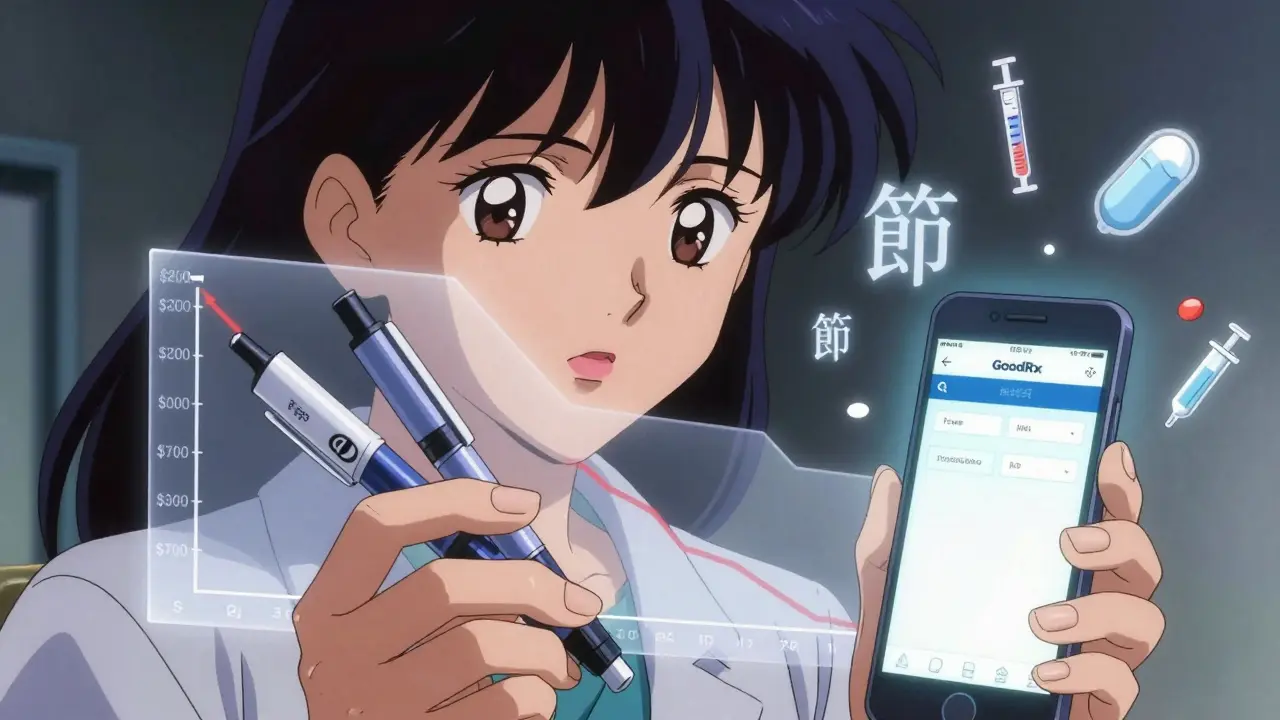
- "What’s the cash price for each version?" - Insurance doesn’t always reflect the real cost. Use GoodRx or SingleCare to compare cash prices. Often, paying cash for a traditional generic is cheaper than your copay.
- "Can you call my insurance to see if switching to a different generic lowers my copay?" - Many pharmacists will do this for you. Don’t be shy. It’s their job.
One patient in Ohio switched from an authorized generic of metformin to the traditional generic after asking these questions. Her copay dropped from $42 to $7. That’s $420 a year saved - just from asking.
Why Your Insurance Might Still Charge You a Lot - Even for Generics
Here’s the ugly truth: savings don’t always reach you. PBMs (pharmacy benefit managers) negotiate rebates with drug makers. But those rebates often go to the insurance company - not to you. So even if the drug costs $5, your copay might be $25 because your plan doesn’t pass the savings on.
That’s why you see people paying $45 for an authorized generic insulin, even though the list price is $25. The PBM got a rebate from the brand company for keeping the authorized generic on the formulary - and they didn’t lower your copay. Meanwhile, a traditional generic for the same insulin might cost $12 because it’s not tied to those rebates.
This isn’t fraud. It’s how the system works. But you can work around it.
Use GoodRx. Compare the cash price of the traditional generic vs. the authorized generic vs. the brand. If the cash price is lower than your copay, pay cash. You don’t need to use your insurance for every prescription. In fact, for many generics, it’s smarter not to.
What to Do When Your Pharmacist Doesn’t Know the Difference
A 2022 survey found only 43% of independent pharmacists could explain how authorized generics differ from traditional ones in terms of pricing. That’s not their fault. The system is complicated. But you can still get the answer.
When they say, "I don’t know," say: "Can you check the formulary on the pharmacy’s website? Or call the insurance number on the back of my card?" Most pharmacies have access to formulary databases. If they won’t, go online yourself. Log into your insurance portal. Search for your drug. Look for the "tier" it’s on. Is it Tier 1? Tier 2? Authorized generics are sometimes on Tier 2, even if traditional generics are on Tier 1.
Or better yet - ask your insurance directly. Call the number on your card. Say: "I’m taking [drug name]. Is there a traditional generic available? Is the authorized generic covered at the same copay? If not, why?" Write down what they say. You might need it later if you file an appeal.
When Authorized Generics Are Actually the Better Choice
Don’t assume traditional generics are always cheaper. Sometimes, authorized generics are the smarter pick.
Take a drug like metoprolol. The brand is Lopressor. The authorized generic is made by the same company - AstraZeneca. The traditional generic is made by a smaller manufacturer. The authorized generic has fewer reports of inconsistent dosing. Why? Because it’s made on the same line, with the same quality controls. If you’ve had issues with a traditional generic - like your blood pressure fluctuating - the authorized version might be more reliable.
Also, if you’re on a high-deductible plan, the authorized generic might be your only option at a low copay. Some plans only cover authorized generics for certain drugs because they’ve negotiated a special deal with the brand company.
So don’t just chase the lowest price. Ask: "Which one has the most consistent results?" "Which one has fewer complaints from other patients?" "Which one is covered at the lowest tier?"
What’s Next? The Future of Generic Savings
The FDA is pushing hard to speed up approval of complex generics - things like inhalers, skin creams, and injectables. Right now, those are still expensive because few companies can make them. But that’s changing. In 2023, the FDA approved its first generic version of a complex insulin pen. Prices dropped 60% within six months.
Biosimilars - the generic version of biologic drugs like Humira or Enbrel - are also growing fast. In 2023, they saved over $7 billion. One biosimilar for Humira cut the price from $2,000 per month to $700. That’s a 65% drop.
But the biggest threat to savings? Patent tricks. Some companies file dozens of minor patents to delay generics - called "patent thickets." The FTC says this costs consumers $3.5 billion a year. Lawmakers are pushing to stop it. But until then, you need to be proactive.
Keep checking. Keep asking. The savings are real. But they won’t find you. You have to find them.
Are authorized generics as safe as brand-name drugs?
Yes. Authorized generics are chemically identical to the brand-name drug - same active ingredient, same manufacturing process, same quality controls. The FDA requires them to meet the same standards as traditional generics. They’re not cheaper because they’re lower quality. They’re cheaper because they don’t carry the brand-name marketing costs.
Why is my copay the same for a brand and an authorized generic?
Your insurance plan may have a deal with the brand manufacturer that gives them a rebate if they keep the authorized generic on a higher tier. That rebate doesn’t always go to you. Even though the drug costs less, your copay stays high because your plan’s contract doesn’t pass the savings on. Ask your insurer for the formulary tier details - or try paying cash with GoodRx.
Can I switch from a brand to a generic without my doctor’s approval?
In most cases, yes - but check your prescription first. Some scripts say "Dispense as Written" or "Do Not Substitute." If it does, you need your doctor to change it. If it doesn’t, your pharmacist can substitute a generic or authorized generic without calling your doctor. Always confirm with your pharmacist before switching.
Do generics work as well as brand-name drugs?
Yes. The FDA requires all approved generics - including authorized generics - to be bioequivalent. That means they deliver the same amount of medicine into your bloodstream within the same time frame. Studies show no meaningful difference in effectiveness or side effects between generics and brands for the vast majority of drugs. Millions of people use generics safely every day.
What if my insurance won’t cover any generic for my drug?
First, check if a generic has been approved yet. Some drugs are still under patent. If one exists and your plan won’t cover it, ask your doctor to file a prior authorization. You can also ask for a formulary exception - explain why you need the generic for cost reasons. If all else fails, pay cash using GoodRx. Often, the cash price is lower than your insurance copay.
steve rumsford
January 6, 2026 AT 23:34Just paid $3 for my metformin cash at Walgreens. My copay was $40. I didn't even use insurance. This post saved me $400 a year. Simple as that.
Anastasia Novak
January 8, 2026 AT 14:44Ugh. I can't believe people still don't know the difference between authorized and traditional generics. It's not rocket science. The brand company makes both. The only difference is the label. Your pharmacist probably doesn't even know they're the same pill. Pathetic.
Katrina Morris
January 9, 2026 AT 11:20I just asked my pharmacist about my blood pressure med and switched to the traditional generic. My copay dropped from $45 to $8. I cried a little. Not because I'm emotional but because I wasted so much money not asking sooner. Thank you for this
Andrew N
January 9, 2026 AT 23:30There's a flaw in the logic here. Authorized generics aren't always cheaper. Sometimes they're priced higher because the PBM has a rebate agreement with the originator. The real savings come from comparing cash prices on GoodRx. Not all generics are created equal. You need to run the numbers every time.
LALITA KUDIYA
January 10, 2026 AT 05:22I'm from India and we use generics all the time. No one here even thinks about brand names unless they're imported. It's crazy to me that Americans pay so much more for the same medicine. The system is broken but at least now people are waking up
Poppy Newman
January 10, 2026 AT 21:40Just used GoodRx for my insulin. Cash price was $22. Insurance copay was $89. I paid cash. 🤯
Anthony Capunong
January 11, 2026 AT 09:11Why are we letting drug companies rip us off like this? This isn't capitalism. This is exploitation. We need price controls. Period. No more excuses. If you're making billions on lifesaving drugs, you're a criminal.
Aparna karwande
January 13, 2026 AT 00:37People like you who just accept this system are part of the problem. We don't need to 'ask nicely' at the pharmacy. We need to burn the whole PBM structure to the ground. Your $7 copay is a victory? No. It's a Band-Aid on a gunshot wound. Shame on you for being satisfied with crumbs
Jonathan Larson
January 13, 2026 AT 02:05The deeper issue here isn't pricing-it's transparency. The pharmaceutical supply chain is intentionally obfuscated. Patients are treated as passive recipients rather than informed consumers. The solution lies not just in asking questions, but in demanding structural reform that prioritizes health over profit. This post is a starting point, not an endpoint.
Alex Danner
January 13, 2026 AT 10:03My dad's on three meds. We checked every single one. One was an authorized generic with a $48 copay. The traditional generic? $5 cash. We switched. He's been stable for 8 months. No side effects. No issues. Just saved $500 a year. It's not magic. It's just knowing how to ask.
Elen Pihlap
January 13, 2026 AT 23:08I just realized I've been overpaying for my antidepressant for 3 years. I feel so stupid. And now I'm crying again. Why didn't anyone tell me this sooner?
Sai Ganesh
January 15, 2026 AT 13:20Thank you for this. In India we don't have brand loyalty for medicine. If it works, we take it. Your system is broken but your awareness is growing. That's the first step. Keep pushing. The people who profit from confusion will fight you. Don't back down.