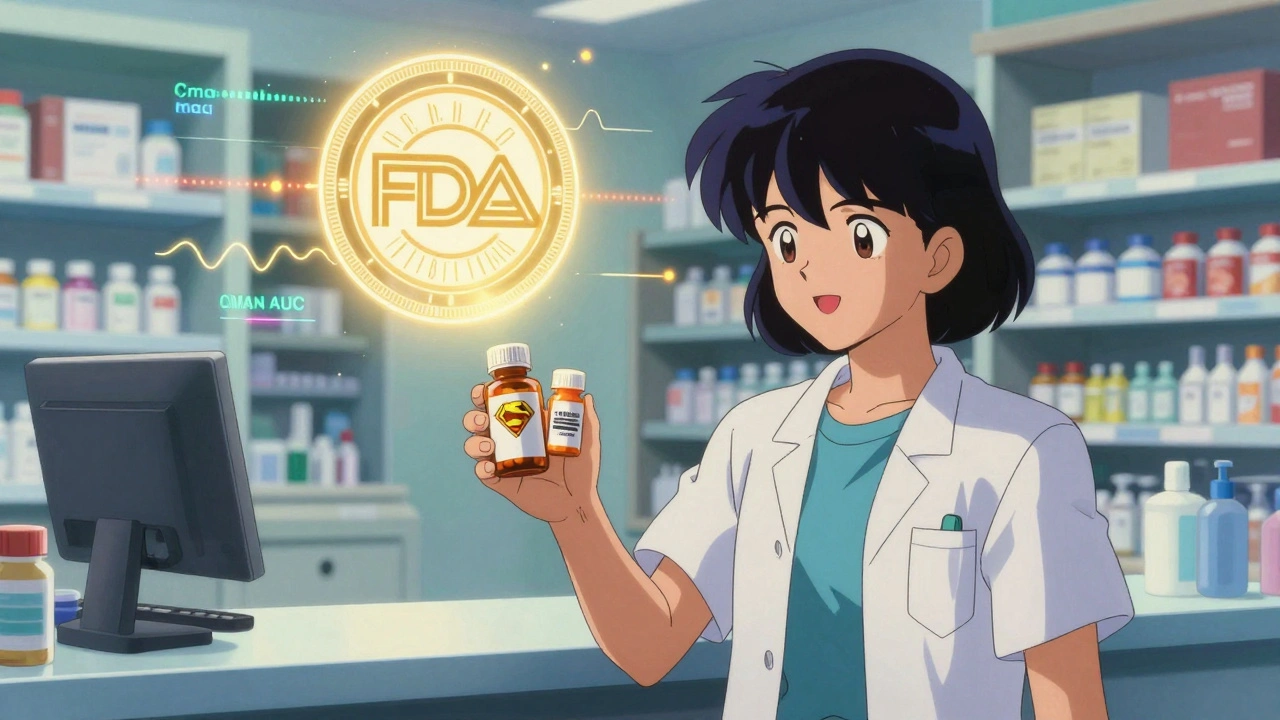
When you pick up a prescription, you might see two names on the bottle: one you recognize from TV ads, and another that looks like a random string of letters and numbers. The first is the brand-name drug. The second is the generic. And here’s the truth most people don’t know: generic drugs work the same way. They’re not cheaper because they’re weaker. They’re cheaper because they don’t need to pay for advertising, fancy packaging, or decades of research.
What Makes a Generic Drug Really the Same?
The U.S. Food and Drug Administration (FDA) doesn’t let just any company slap a label on a pill and call it a generic. To get approved, a generic must contain the exact same active ingredient as the brand-name version. Same strength. Same form - tablet, capsule, liquid. Same way it’s taken - by mouth, injection, patch. No exceptions. But here’s where most people get confused. They think “same active ingredient” means the whole pill is identical. It’s not. Generics can have different fillers, dyes, or coatings. These are called inactive ingredients. They don’t affect how the drug works. But they can change how it looks or tastes. And for a tiny number of people with severe allergies, that matters. For almost everyone? It doesn’t. The real test is bioequivalence. That means your body absorbs the generic drug at nearly the same rate and amount as the brand. The FDA requires this. To prove it, manufacturers run tests with 24 to 36 healthy volunteers. They measure two things: how high the drug spikes in your blood (Cmax), and how much of it stays in your system over time (AUC). The generic’s numbers must fall within 80% to 125% of the brand’s. That’s not a wide gap - it’s tighter than most people think. In fact, studies show the average difference in absorption between generics and brands is just 3.5%. That’s less than the natural variation your body has from day to day.Do Generics Work as Well? The Evidence Says Yes
Some people swear their brand-name cholesterol pill works better than the generic. But when you look at the science, that’s rare. A major review of 38 studies on heart medications - including statins, blood thinners, and beta-blockers - found 35 of them showed no difference in effectiveness between generic and brand-name versions. That includes drugs like atorvastatin (Lipitor) and clopidogrel (Plavix). In fact, a huge study in Austria tracking over a million patients found that generic versions were linked to fewer heart attacks and deaths in 10 out of 17 drug classes. The biggest myth? That generics contain only 80% to 125% of the active ingredient. That’s wrong. The 80%-125% range applies to how your body absorbs the drug, not how much is in the pill. A generic pill has the same amount of active ingredient as the brand. The difference is in how fast or how completely your body uses it - and even that’s tiny.When You Should Be Careful
There are exceptions. Some drugs have a narrow therapeutic index (NTI). That means even a small change in blood levels can cause serious side effects or make the drug stop working. For these, doctors and pharmacists pay extra attention. Drugs like warfarin (a blood thinner), levothyroxine (for thyroid problems), phenytoin (for seizures), and lithium (for bipolar disorder) fall into this category. Switching between brands and generics here isn’t dangerous - but it needs monitoring. Your doctor might check your blood levels a week or two after switching. That’s not because generics are bad. It’s because your body is sensitive to tiny shifts in these drugs. A 2023 survey of 512 U.S. doctors found that 78% knew warfarin needed monitoring after a switch. But only 32% knew levothyroxine did too. That’s a gap. If you’re on one of these drugs, don’t assume your pharmacist will automatically warn you. Ask. And if you notice changes in how you feel after switching - fatigue, dizziness, irregular heartbeat - tell your doctor right away.
How Much Money Do You Actually Save?
The savings aren’t just numbers on a page. They’re real. In 2023, generic drugs saved the U.S. healthcare system $373 billion. On average, generics cost 80% to 85% less than brand names. Take Lipitor (atorvastatin). The brand version used to cost over $300 a month. The generic? Often $0 with coupons. Plavix (clopidogrel)? Brand: $450. Generic: $0. Even without coupons, you’re looking at $5 to $15 for a 30-day supply of a generic, versus $100 to $300 for the brand. These aren’t theoretical savings. They’re why 90% of all prescriptions filled in the U.S. are for generics. Medicare Part D plans fill 92% generics. Commercial insurers? Around 87%. The reason? Lower costs for patients and insurers. And it works. People who switch to generics don’t stop taking their meds. They stick with them longer because they can afford them.Why Do Some People Still Doubt Generics?
You’d think the evidence would be enough. But surveys show 43% of patients believe generics are less effective. Nearly one in three refuse them when offered. Why? Marketing plays a big part. Brand-name companies spend billions on ads that make their drugs feel like premium products. Generic makers don’t advertise. So people assume no ad = no quality. There’s also anecdotal noise. On Reddit, threads about generic side effects get lots of comments. But when you dig in, most people report no difference. Only about 28% say they had issues - and often, those are tied to switching from one generic to another, not from brand to generic. A 2022 survey by Pharmacy Times found that 27% of people refused generics because they worried about inactive ingredients. That’s understandable, but it’s not supported by data. For 99% of people, those fillers don’t matter.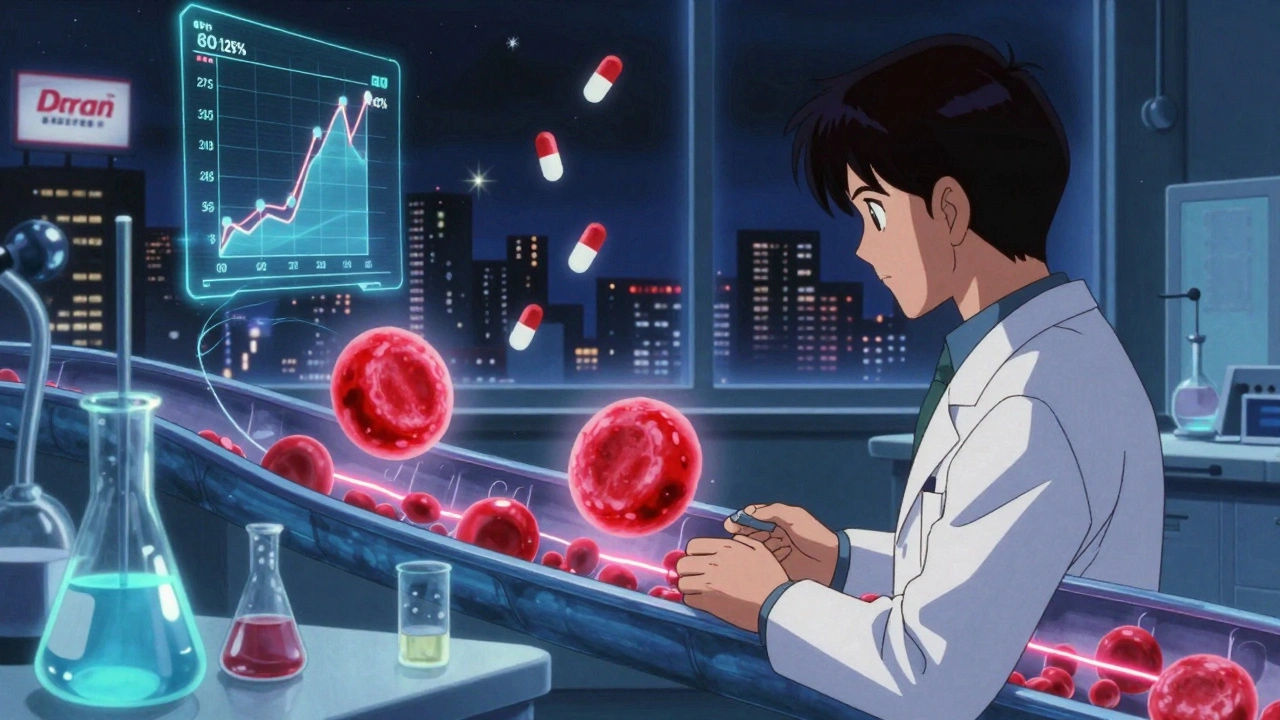
Rupa DasGupta
December 4, 2025 AT 23:12Marvin Gordon
December 5, 2025 AT 00:44Kylee Gregory
December 6, 2025 AT 15:01Chris Brown
December 7, 2025 AT 03:56Michael Dioso
December 8, 2025 AT 16:24Katie Allan
December 10, 2025 AT 12:09James Moore
December 11, 2025 AT 13:13Krishan Patel
December 13, 2025 AT 10:24Carole Nkosi
December 15, 2025 AT 00:08Lynette Myles
December 16, 2025 AT 00:32Annie Grajewski
December 18, 2025 AT 00:12Jimmy Jude
December 18, 2025 AT 05:16ashlie perry
December 19, 2025 AT 21:44William Chin
December 20, 2025 AT 21:37Deborah Jacobs
December 22, 2025 AT 11:10