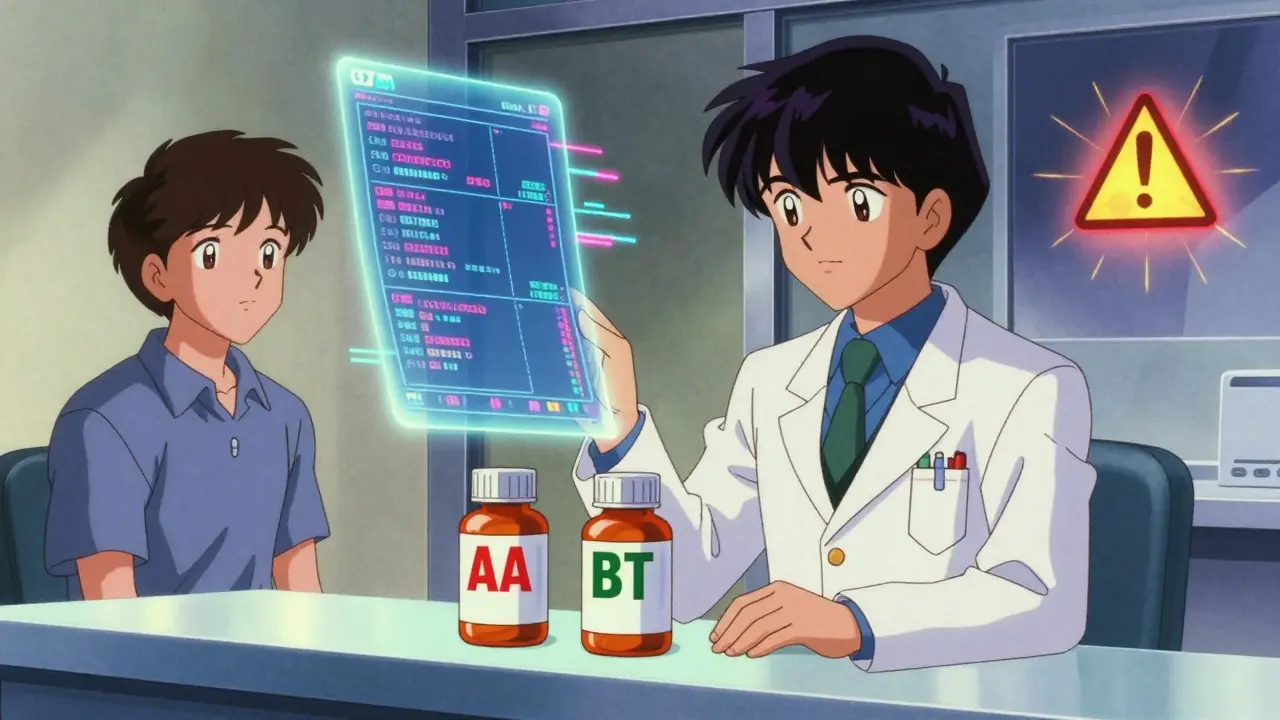
When you pick up a prescription at the pharmacy, you might not realize that a simple two-letter code on a government database is deciding whether you get a brand-name drug or a cheaper generic. That code is part of the FDA’s Therapeutic Equivalency (TE) Codes system - a legal framework that tells pharmacists exactly which generics can be swapped in place of brand-name drugs without risking your health. This isn’t just a technical detail. It’s the backbone of how billions of dollars in drug costs are saved every year while keeping patients safe.
What Are TE Codes, and Why Do They Matter?
Therapeutic Equivalency Codes are assigned by the U.S. Food and Drug Administration (FDA) to prescription drugs that have multiple manufacturers. These codes are published monthly in the Approved Drug Products with Therapeutic Equivalence Evaluations, commonly called the Orange Book. The system was created by the Hatch-Waxman Act of 1984, which aimed to speed up access to affordable generics without sacrificing safety.
The code itself is simple: one or two letters. But what those letters mean is critical. If a drug has an A code, it means the FDA has determined that the generic version is therapeutically equivalent to the brand-name drug. That means it has the same active ingredients, works the same way in the body, and produces the same clinical effect. If it has a B code, the FDA says there’s not enough evidence to prove it can be safely substituted.
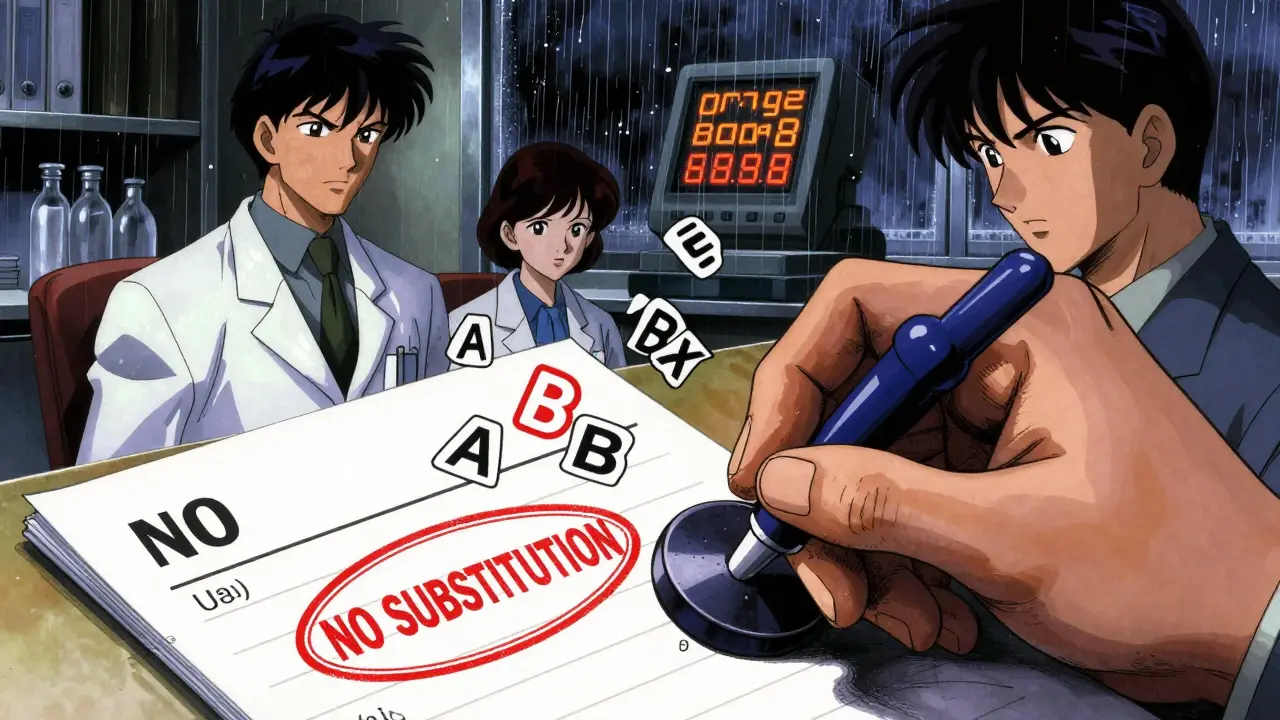
Here’s the legal punchline: in every U.S. state, pharmacists are required by law to check the Orange Book before substituting a generic. If the code is an A, they can swap it. If it’s a B, they can’t - unless the prescriber specifically allows it. This isn’t a recommendation. It’s a legal requirement.
The A Code: When Substitution Is Allowed
Not all A codes are the same. The second character adds more detail. The most common is AA, which means the generic is an immediate-release oral tablet or capsule with no bioequivalence issues. For example, a generic version of lisinopril 10mg with an AA rating can be swapped with the brand-name Zestril without hesitation.
Then there’s AB. This code tells you something interesting: the product may have had problems at first, but later evidence proved it works just as well. Maybe the first version had a slightly different inactive ingredient, or the bioequivalence study was borderline. The FDA re-reviewed the data and upgraded it to AB. That’s a sign the system works - science can change the rules.
Why does this matter? Because if you’re on a chronic condition like high blood pressure or diabetes, switching between generics with an A rating is safe. A 2021 study in the Journal of Generic Medicines found that over 94% of all generic prescriptions filled in the U.S. were for A-rated drugs. That’s not luck. It’s the result of rigorous testing and clear legal standards.
The B Code: When Substitution Is Blocked
Not every generic gets an A. Some get a B - and that’s not a failure. It’s a warning.
Take BT for topical creams. A generic version of a steroid cream might have the same active ingredient, but if the base (the lotion or ointment) is different, the skin might absorb it at a different rate. The FDA doesn’t have enough data to say it’s the same, so it gets a BT code. Pharmacists are trained to avoid substituting these unless told otherwise.
Other B codes include:
- BC - extended-release tablets with unclear bioequivalence
- BD - proven to have bioequivalence problems
- BN - inhalers or nebulized drugs where delivery matters
- BR - suppositories or enemas
- BX - no data available to judge equivalence
In 2023, about 24% of all drugs listed in the Orange Book had B codes. That might sound high, but most of them are complex products - inhalers, injectables, creams, and slow-release pills - where small differences in formulation can change how the drug behaves in your body.
Pharmacists often hesitate to substitute B-coded drugs. A 2022 survey by the Generic Pharmaceutical Association found that 68% of pharmacists were uncomfortable swapping BT-coded topical products, even if the prescriber didn’t say no. That’s because the science isn’t clear - and no one wants to be the one who switches a patient and then sees a bad reaction.
How State Laws Turn FDA Codes Into Legal Rules
The FDA doesn’t force pharmacies to substitute. It just tells them what’s equivalent. The actual substitution law? That’s up to each state.
In California, Business and Professions Code Section 4073 says pharmacists can only substitute if the generic has an A code. In New York, the Office of the Professions requires pharmacists to check the most current Orange Book before making any switch. Texas, Florida, and Illinois all have similar laws - some even require the pharmacist to notify the patient or the prescriber.
Here’s the catch: even if a drug has an A code, a doctor can write “dispense as written” or “no substitution” on the prescription. That overrides the law. Patients can also ask for the brand-name drug, even if a generic is available.
This patchwork of state rules is why the Orange Book is so important. It’s the one source that every state agrees to use. Without it, pharmacies would be guessing - and patients would be at risk.
The Real Cost of TE Codes
Let’s talk money. In 2022 alone, generic drugs with A codes saved U.S. healthcare systems $298 billion, according to IQVIA. Since 1995, the total savings from generics approved under the TE system is over $1.7 trillion.
That’s not just a number. It means a diabetic patient in Ohio can afford insulin. A veteran in Arizona can get their blood pressure medication without choosing between meds and groceries. A child in Michigan can take their asthma inhaler every day because it’s affordable.
But the system isn’t perfect. In 2022, the FDA received 1,247 citizen petitions challenging TE codes - mostly from brand-name companies trying to block generic competition. Many of these petitions target complex drugs with B codes, arguing that the generic isn’t truly equivalent. The FDA reviews each one, but it takes time. And while that’s happening, patients may pay more.
What’s Changing Now?
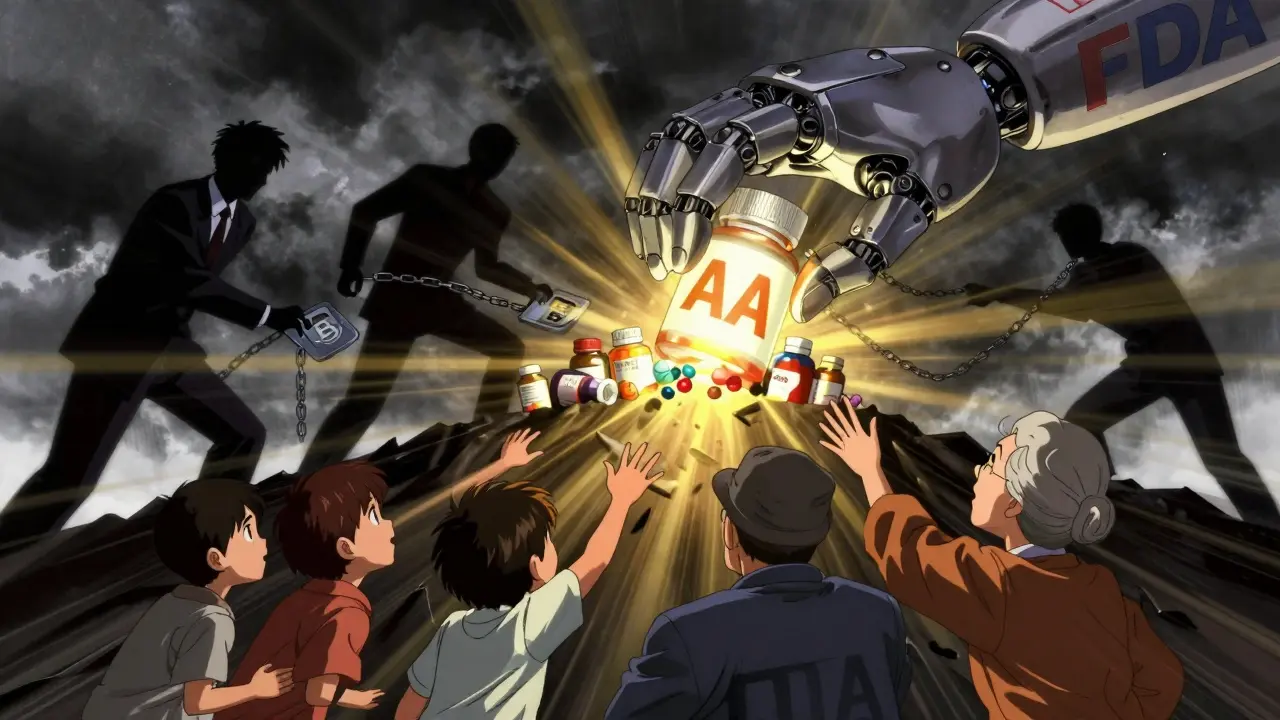
The FDA is working to fix the B code backlog. In 2023, they launched the Complex Generic Drug Initiative, aiming to reduce the percentage of B-coded drugs from 24.3% to under 15% by 2027. They’ve already cut review times for complex generics from 34 months in 2018 to 22 months in 2023.
A new draft guidance released in August 2023 says minor changes in inactive ingredients - like different dyes or fillers - shouldn’t automatically disqualify a drug from an A rating, as long as the active ingredient performs the same. That’s a big shift. It means more generics could get approved faster.
Also, the Orange Book is now digital. Since January 2023, it’s been available through an API, meaning electronic health record systems can pull TE code data directly. That means a pharmacist can check a code while the patient is still in the chair.
What Patients Should Know
If you’re prescribed a generic drug and you’re unsure whether it’s safe to switch, ask your pharmacist. They’re trained to check the Orange Book. If you’re switching from one generic to another, and your medication doesn’t seem to be working the same way, tell your doctor. It might not be your body - it could be a change in the inactive ingredients.
Don’t assume all generics are the same. Two generics of the same drug can have different TE codes. One might be AA, the other AB, or even B. The difference isn’t always obvious on the bottle.
And if your prescription says “do not substitute,” that’s your right. You don’t need to justify it. The law protects your choice.
What’s Next?
The future of TE codes is about complexity. As drugs get more advanced - biologics, inhalers, patches, implants - the old bioequivalence tests may not be enough. The FDA is developing new methods to measure performance, not just blood levels. That means the TE code system will keep evolving.
But the goal stays the same: make safe, affordable drugs available to everyone. The code might be simple. The science behind it? That’s anything but.
Can a pharmacist substitute a generic drug without my permission?
No. In most states, pharmacists can substitute a generic only if the prescription doesn’t say "dispense as written" and the drug has an FDA-designated "A" therapeutic equivalency code. Even then, many states require the pharmacist to inform you or get your consent. Always check your prescription label and ask if a substitution was made.
Why do some generic drugs have "B" codes if they’re approved by the FDA?
A "B" code means the FDA has not found enough evidence to say the generic is interchangeable with the brand-name drug. The drug may be approved for sale, but bioequivalence hasn’t been proven - especially for complex products like inhalers, creams, or extended-release tablets. These are not unsafe, but they’re not guaranteed to behave the same way in your body.
Do over-the-counter (OTC) drugs have therapeutic equivalency codes?
No. The FDA only assigns TE codes to prescription drugs that have multiple manufacturers. OTC drugs like ibuprofen or antacids are not evaluated for therapeutic equivalence because they’re not subject to the same approval pathways as prescription drugs.
How often is the Orange Book updated?
The Orange Book is updated every month with new drug approvals, code changes, and discontinued products. Pharmacists and pharmacies are required to use the most current version when making substitution decisions. The FDA also publishes a complete edition each October.
Can a drug have different TE codes for different strengths?
Yes. A 10mg tablet of a drug might have an "AA" code, while the 20mg version has a "B" code. Each strength and formulation is evaluated separately. That’s why it’s important to check the specific drug and dose - not just assume all versions are interchangeable.
Haley DeWitt
February 16, 2026 AT 17:38Okay, but can we talk about how wild it is that a two-letter code saves us billions?? I mean, I just got my generic blood pressure med yesterday, and I didn’t even think about what was behind it. 🤯 Thank you for explaining this so clearly!!
John Haberstroh
February 18, 2026 AT 07:16So the FDA’s Orange Book is basically the Yelp of generics? A = good, B = don’t touch unless you wanna risk a weird side effect. I like that they let science update the ratings - AB codes are like the comeback kid of pharmaceuticals. 🎸
Brenda K. Wolfgram Moore
February 18, 2026 AT 18:03This is one of those topics that should be taught in high school biology. People think generics are just cheap knockoffs - but they’re not. They’re rigorously tested, legally mandated, and literally keeping people alive. If you’re worried about switching, talk to your pharmacist. They’re not just filling prescriptions - they’re gatekeepers of safety.
Linda Franchock
February 19, 2026 AT 13:33So let me get this straight - brand-name companies are petitioning the FDA to block generics because they don’t want people saving money?? 😒 And we call this a free market? Yeah, right. Next they’ll be petitioning to stop oxygen from being generic. I swear, if I had a dollar for every time Big Pharma cried "safety" while hiking prices 500%, I’d have enough to buy every generic in the Orange Book.
Agnes Miller
February 20, 2026 AT 06:32Just had a weird thing happen last week. I switched from one generic lisinopril to another - same dose, same company, just different bottle. My head started buzzing. Turned out the first was AA, the second was AB. My pharmacist didn’t know, and neither did my doctor. I had to call the pharmacy twice. Please, if you’re on meds, check the code. It’s not just about money - it’s about your body.
Tony Shuman
February 21, 2026 AT 14:36China makes 80% of the world’s generic active ingredients. You’re telling me we trust a two-letter code from a U.S. agency when the raw materials come from a country that doesn’t even have FDA oversight? This whole system is a house of cards built on trust and ignorance.
Logan Hawker
February 21, 2026 AT 21:55Let’s be real - the TE code system is a beautifully engineered facade. The FDA doesn’t test every batch. They rely on bioequivalence studies done by the manufacturers themselves. So when they say "AA," what they really mean is: "We reviewed your data, and it looked good on paper. Good luck." And don’t get me started on the API integration. That’s not innovation - it’s corporate convenience. Pharmacies now get real-time updates so they can cut more corners. Efficiency isn’t safety.
James Lloyd
February 22, 2026 AT 11:37Agnes Miller’s comment above is spot-on. I’ve been a pharmacist for 18 years, and I can tell you - the B codes are not failures. They’re caution flags. I once had a patient switch from a BT-coded topical steroid to a generic and develop severe skin thinning. The original had a specific emulsifier that slowed absorption. The generic didn’t. It wasn’t "bad" - just different. The code saved us from a worse outcome. Trust the system - but stay informed.
Digital Raju Yadav
February 23, 2026 AT 13:38USA thinks it's the only country that understands medicine. In India, we've been making high-quality generics for decades without this bureaucratic nonsense. Your "A" and "B" codes are just a way to delay competition. We export lifesaving drugs to Africa and Latin America every day - no FDA approval needed. Your system is outdated.
Carrie Schluckbier
February 23, 2026 AT 18:32What if the Orange Book is being manipulated? I read somewhere that the FDA has ties to big pharma. What if the "AA" codes are bought? What if the B codes are used to block generics that actually work? I checked my insulin - it’s AA. But what if that’s a lie? What if they’re testing on us? Someone needs to leak the internal emails.
guy greenfeld
February 24, 2026 AT 00:12TE codes are a metaphor for modern medicine - simplified, quantified, reduced to letters so we can feel safe. But life doesn’t work in binaries. A or B? Good or bad? Equivalent or not? We’re not machines. Our bodies aren’t lab rats. The science is beautiful, but the system? It’s a cage. We’re told to trust the code - but who coded the code? And why does it feel like we’re being herded into a pill-popping dystopia?