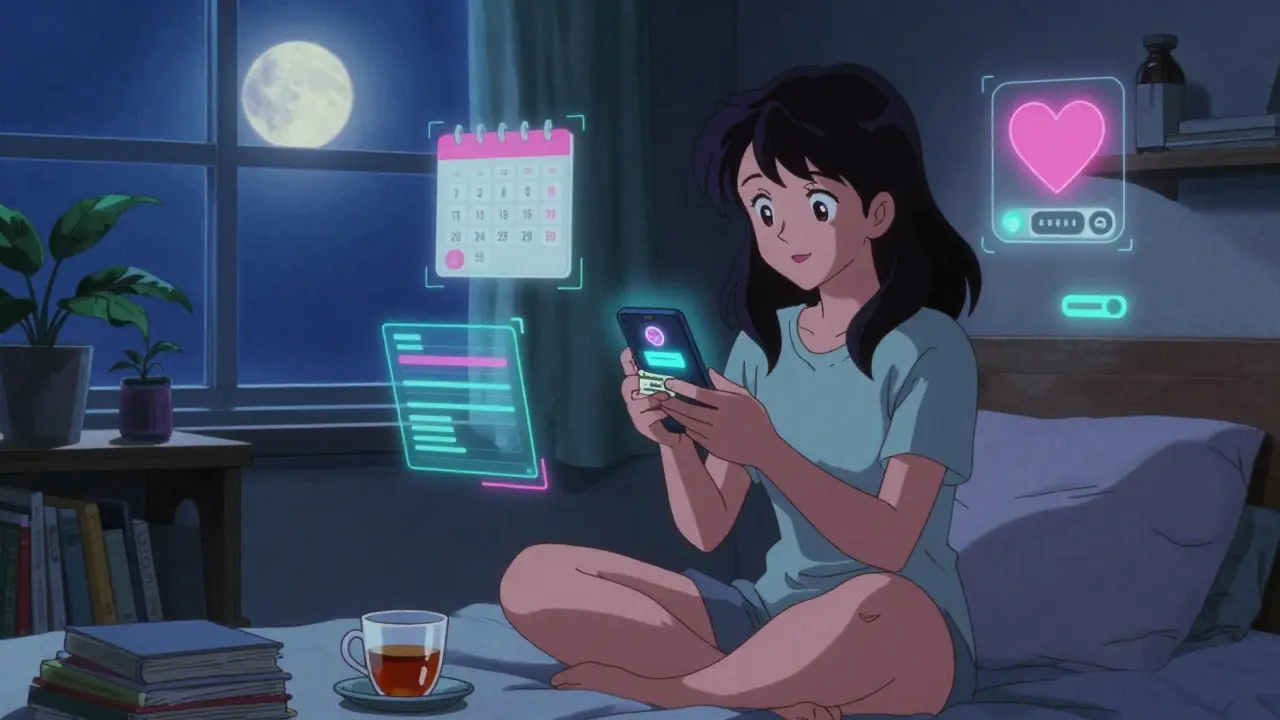
For years, getting your generic meds meant driving to the pharmacy, waiting in line, and paying whatever price your insurance or the pharmacy decided to charge. Now, you can order your blood pressure pills, antidepressants, or birth control from your phone-often for less than $10 a month-and have them delivered to your door in two days. This isn’t science fiction. It’s happening right now, and it’s changing how millions of people manage their health.
What Exactly Is a Direct-to-Consumer Generic Pharmacy?
A direct-to-consumer (DTC) generic pharmacy cuts out the middlemen. No more pharmacy benefit managers (PBMs), no more wholesalers, no more retail chains marking up prices. Instead, companies like Ro is a direct-to-consumer platform that offers generic medications at transparent prices, bypassing traditional pharmacy networks, Hims & Hers, and Honeybee Health connect you directly to licensed U.S. pharmacies that ship your prescriptions. These platforms don’t just sell pills-they handle everything: online consultations, e-prescriptions, payment, and delivery-all in one place.
Unlike brand-name drugmakers like Eli Lilly or Pfizer, who launched their own DTC platforms for expensive specialty drugs, these generic-focused companies target common, low-cost medications. Think metformin, lisinopril, sertraline. These are drugs that cost pennies to make but often cost $50-$100 at your local pharmacy because of how the system is built. DTC generic pharmacies break that cycle.
Why Are These Models Growing So Fast?
The answer is simple: people are tired of paying too much for pills they’ve been taking for years.
In 2024, the three biggest PBMs-CVS Caremark, Express Scripts, and OptumRx-made $28 billion in gross profit from prescription rebates, according to Techspert. But most of that money never reached patients. Instead, it stayed in the system as hidden fees and markups. Meanwhile, the cost of manufacturing generic drugs hasn’t changed in a decade. The problem isn’t production-it’s distribution.
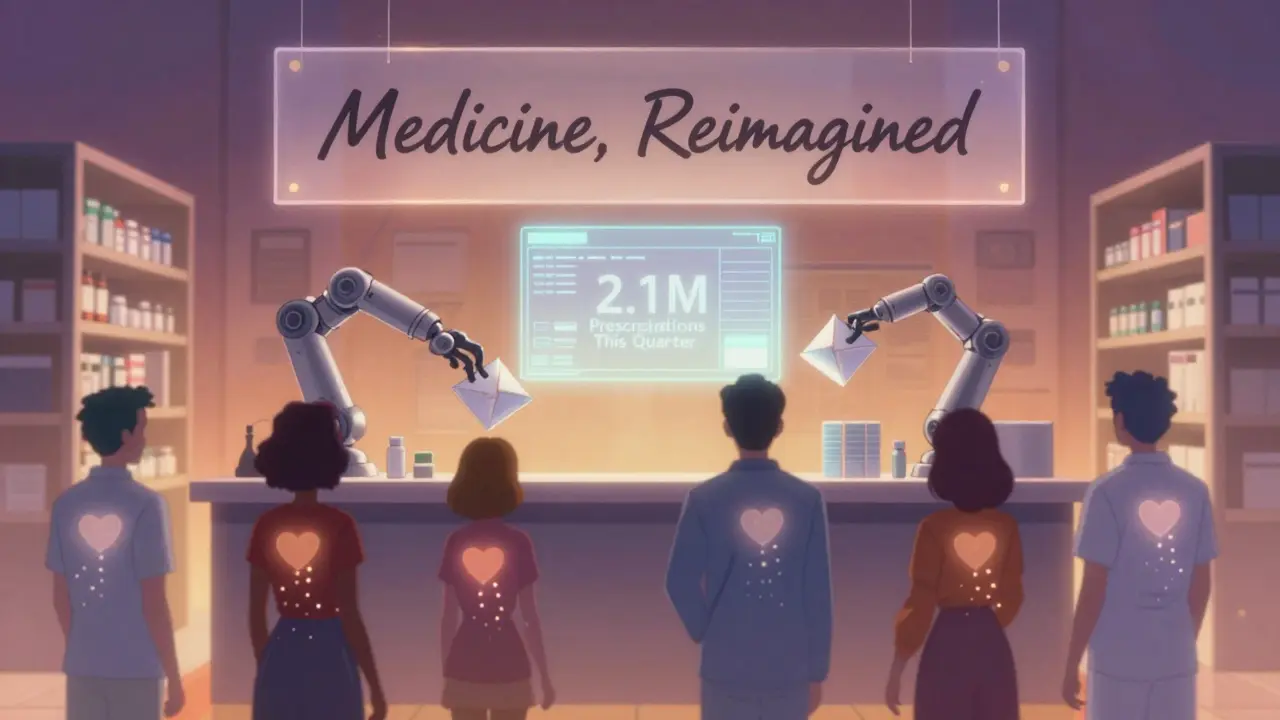
By 2025, platforms like Ro were processing over 2.1 million prescription orders in just the first quarter. Why? Because they offer real savings. A 30-day supply of generic lisinopril, which might cost $45 at Walgreens, can cost $8 through Ro. Generic sertraline? $12 instead of $60. For people on high-deductible plans or without insurance, that’s life-changing.
And it’s not just price. Convenience matters too. No more calling your doctor for a refill. No more arguing with your insurance. With subscription models and automatic refills, you get your meds on schedule-no reminders needed. A Drug Channels survey in May 2025 found that 73% of patients using DTC services for chronic conditions reported better adherence. That’s not just saving money-it’s saving lives.
How Do These Platforms Work?
Here’s how it actually works on the ground:
- You visit the website or app-say, Ro or Honeybee Health.
- You answer a short health questionnaire. No doctor’s visit required unless you’re new to the medication.
- If you’re eligible, a licensed U.S. physician reviews your info and issues an e-prescription.
- The prescription goes directly to a partnered pharmacy that’s licensed in your state.
- You pay online-cash or card, no insurance needed.
- Your meds ship in discreet packaging, usually within 2-4 business days.
Most platforms include a 24/7 pharmacist hotline. If you have questions about side effects or interactions, you can chat with someone real. Some even offer medication reminder bots via text or email. It’s not just delivery-it’s care, streamlined.
Behind the scenes, it’s a tech-heavy operation. Cloud systems store your health data securely under HIPAA rules. AI tools predict refill dates. APIs connect with electronic health records like Epic and Cerner. Mobile apps work on iOS 14+ and Android 10+. It’s built like a modern SaaS product-but for your medicine.
What’s the Catch?
It’s not perfect.
First, not all meds are available. These platforms focus on high-volume, low-complexity generics. If you’re on a rare combination drug or something requiring special handling (like insulin pens or injectables), you’ll still need a traditional pharmacy.
Second, delivery times vary. While some users get their meds in two days, others report waits of five to seven days-especially during flu season or supply chain hiccups. That’s longer than your local CVS, which can often fill a script the same day.
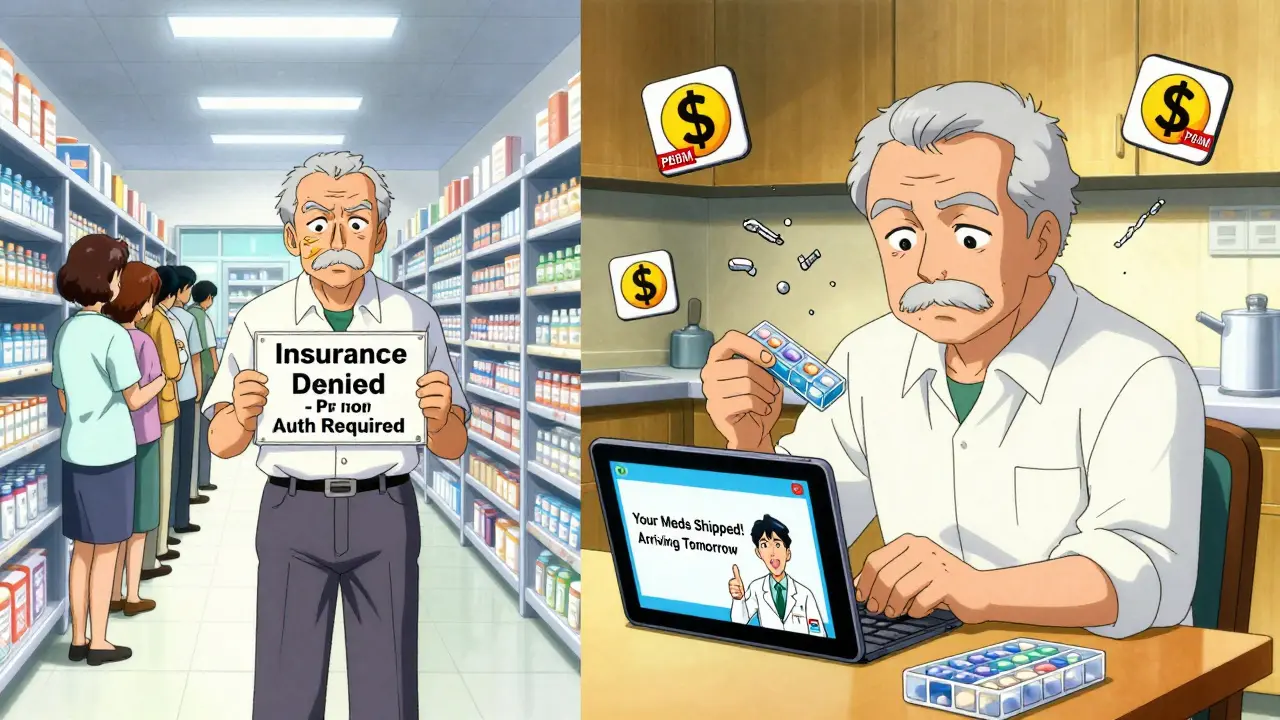
Third, insurance doesn’t always work with these services. Most DTC generic pharmacies operate on a cash-pay model. If you have insurance, you can’t use it here. That’s a problem for people who rely on low copays. But for those with high deductibles or no coverage, paying out-of-pocket often still saves money.
And then there’s the pharmacist issue. Critics, including Dr. Sarah Chen from Johns Hopkins, worry that bypassing the local pharmacist means losing a critical safety net. Pharmacists catch drug interactions, dosage errors, and allergies that automated systems might miss. In October 2025, Drug Topics reported 17 cases where potential interactions went unnoticed in DTC channels. That’s a small number compared to millions of prescriptions filled-but it’s enough to raise red flags.
Regulation Is a Minefield
Running a DTC pharmacy isn’t like launching an e-commerce store. You need a pharmacy license in every state-plus Washington, D.C. That’s 51 licenses. The process takes 14 to 18 months and costs over $2.3 million in legal and compliance fees, according to PharmExec.
And it’s not just licensing. You’ve got to comply with FDA shipping rules, state-specific pharmacy laws, and federal anti-kickback statutes. The Department of Justice is watching. In September 2025, STAT News reported that federal investigators were probing whether some DTC programs were offering discounts that could be seen as illegal inducements. No charges yet-but the threat is real.
Companies that succeed are building compliance into their systems from day one. LillyDirect and PfizerForAll spent two years and hired over 150 specialists just to get their brand-name DTC platforms off the ground. Generic-focused companies have it slightly easier-they don’t need to build telehealth from scratch-but they still need the same legal backbone.
Who’s Winning Right Now?
Right now, the market is split between two types of players:
- Telehealth-first platforms: Ro, Hims & Hers, Honeybee Health. These started as men’s and women’s health apps and expanded into generics. They’re agile, customer-focused, and already have millions of users.
- Big pharma-backed DTC: LillyDirect, PfizerForAll. These are brand-new, focused on expensive brand-name drugs, and still in early rollout.
For generic meds, the winners are the telehealth platforms. Ro alone processed over 2 million prescriptions in Q1 2025. Honeybee Health has a 3.8/5 rating on Trustpilot, with 68% of positive reviews citing price transparency. Ro’s usability score from Techspert was 4.2/5-higher than most new entrants, which average 2.8/5.
But the real competition isn’t between platforms. It’s between the old system and the new one. PBMs still control 78% of prescription claims. But as more patients opt out of insurance-driven pharmacy networks, that number is slowly falling. In Q3 2025, 27% of commercially insured Americans had used a DTC pharmacy at least once. For those with high-deductible plans, it was 38%.
What’s Next?
The next phase won’t be about replacing pharmacies. It’ll be about hybrid models.
Eighty-three percent of pharmaceutical executives surveyed by Galen Growth in August 2025 said they plan to keep traditional channels while adding DTC options. That means you might still get your meds from CVS-but now you’ll have the option to switch to a cheaper, faster, simpler route if you want.
Some startups are even experimenting with new insurance structures. MedAdvantage, a 2025 newcomer, offers low-premium health plans bundled with subsidized cash purchases for common generics. It’s like a co-op for medication-pay less upfront, save more long-term.
And the tech will keep improving. AI-driven adherence tools will get smarter. Delivery networks will get faster. Pharmacy robots will handle more fulfillment. The goal isn’t just to sell pills-it’s to make sure you take them, on time, every time.
Should You Use a DTC Generic Pharmacy?
Ask yourself these questions:
- Do you take one or two generic medications regularly?
- Are you paying over $30 a month for them at your local pharmacy?
- Do you have a high-deductible plan or no insurance?
- Are you comfortable managing your health online?
If you answered yes to most of those, then yes-try it. Start with one med. Compare the price. See how fast it arrives. Talk to their pharmacist if you have questions. You might save hundreds a year.
If you’re on complex meds, take multiple drugs, or have trouble remembering to take pills, stick with your local pharmacy for now. But keep an eye on DTC options-they’re getting better, faster, and safer every year.
This isn’t a fad. It’s a reset of how medicine reaches people. The old system was built for profit, not patients. The new one is built for speed, clarity, and cost. And for millions of Americans, that’s exactly what they’ve been waiting for.
Are DTC generic pharmacies safe?
Yes, if they’re licensed and use U.S.-based pharmacies. Platforms like Ro and Honeybee Health partner with pharmacies that are accredited by the National Association of Boards of Pharmacy (NABP) and follow FDA shipping rules. All medications are dispensed by licensed pharmacists, and prescriptions are reviewed by U.S.-licensed physicians. Look for the VIPPS seal (Verified Internet Pharmacy Practice Sites) on their website to confirm legitimacy.
Can I use my insurance with DTC pharmacies?
Most DTC generic pharmacies operate on a cash-pay model and don’t bill insurance. This is intentional-it lets them bypass the complex rebate system that inflates prices. But if you’re on a high-deductible plan or have no insurance, paying cash through these platforms often costs less than your insurance copay. Always compare the cash price on the DTC site with your insurance copay at your local pharmacy before deciding.
How long does delivery take?
Delivery typically takes 2 to 5 business days after your prescription is approved. Some platforms offer expedited shipping for an extra fee. This is slower than walking into a local pharmacy, which can fill a script the same day, but faster than waiting weeks for insurance approval or dealing with prior authorizations. For chronic conditions, many users prefer the reliability of scheduled monthly deliveries over last-minute trips to the pharmacy.
What if I need to talk to a pharmacist?
Most reputable DTC platforms offer 24/7 access to licensed pharmacists via phone or chat. Ro, for example, has pharmacists on call around the clock. You can ask about side effects, interactions, or how to take your medication. Some even send automated reminders with tips. While this isn’t the same as face-to-face advice at your local pharmacy, it’s a significant improvement over the silent, automated systems of the past.
Are these platforms legal in all states?
Yes, but only if they’re licensed in your state. All major DTC generic pharmacies hold licenses in all 50 states and Washington, D.C. This is a legal requirement. If a platform doesn’t list its pharmacy licenses or says it ships to all states without verification, avoid it. Always check the website’s footer or legal page for state licensing information before ordering.
Can I get controlled substances through DTC pharmacies?
No. Federal law prohibits the online sale of controlled substances like opioids, benzodiazepines, or stimulants without an in-person evaluation. DTC generic pharmacies only offer non-controlled medications. If you need something like Adderall or Xanax, you still need to see a doctor in person and fill the prescription at a traditional pharmacy.
What’s the difference between DTC generic pharmacies and brand-name DTC platforms like LillyDirect?
Brand-name DTC platforms (like LillyDirect) focus on expensive, patented drugs-usually for chronic conditions like diabetes or weight loss. They’re run by pharmaceutical companies and often require you to be enrolled in their patient support programs. DTC generic pharmacies focus on low-cost, off-patent drugs and are run by tech companies that prioritize price transparency and convenience. The goals are different: one is to retain brand loyalty; the other is to disrupt the pharmacy system.
Do these services offer refills?
Yes, most offer automatic refills. You can set a schedule-every 30, 60, or 90 days-and your medication will be shipped on time. You’ll get a reminder a few days before, and you can pause or cancel anytime. This eliminates the common problem of running out of meds because you forgot to call for a refill.
Final Thoughts
The old pharmacy system was broken. It was slow, expensive, and opaque. DTC generic pharmacies aren’t a magic fix-but they’re the most honest alternative we’ve seen in decades. They’re transparent about pricing, simple to use, and focused on what matters: getting you the meds you need, at a price you can afford, without the red tape.
For many, this isn’t just convenience. It’s access. And that’s worth more than any rebate ever was.
Nishant Sonuley
January 19, 2026 AT 01:02Look, I’m from India, and let me tell you-this whole DTC generic pharmacy thing feels like a dream we’ve been too scared to have. Back home, we’ve been buying meds off WhatsApp vendors for years because local pharmacies charge you for the privilege of breathing while you wait. Here in the US, people are acting like this is some revolutionary tech breakthrough, but it’s just capitalism finally catching up to basic human decency. I’ve paid $8 for metformin shipped from a licensed US pharmacy while my cousin in Mumbai paid $1.50 for the same thing via a verified supplier with a WhatsApp chatbot. The real innovation isn’t the app-it’s the fact that Americans are finally waking up to the fact that their healthcare system was designed to extract, not heal. Maybe now we’ll stop pretending insurance is a service and not a racket.
Andrew Short
January 20, 2026 AT 12:19Let’s cut through the Silicon Valley bullshit. These ‘DTC pharmacies’ are just another way for venture capitalists to exploit desperate people who can’t navigate the broken system. You think they care about you? They care about your data, your refill patterns, your health metrics. And don’t get me started on the ‘24/7 pharmacist’-it’s a chatbot with a human backup who’s paid minimum wage to read from a script. The FDA hasn’t even cleared most of these supply chains for long-term safety. One day, someone’s gonna die because their sertraline shipment got mixed up with a batch from a Chinese lab that slipped through the cracks. And then we’ll hear the same ‘innovation’ excuses. This isn’t progress-it’s negligence dressed up in a mobile app.
christian Espinola
January 21, 2026 AT 03:15Actually, the article is factually incorrect in multiple places. First, Ro doesn’t ‘issue e-prescriptions’-they partner with third-party telehealth providers who do. Second, the claim that ‘generic drugs cost pennies to make’ is misleading-API sourcing, quality control, and packaging aren’t free. Third, the $28B PBM profit figure is gross revenue, not net profit. And fourth, the article cites Drug Channels and Techspert as if they’re peer-reviewed journals. They’re not. They’re industry newsletters with clear anti-PBM biases. Also, ‘discreet packaging’? That’s code for ‘we don’t want your neighbors knowing you’re on antidepressants.’ This isn’t transparency-it’s performative secrecy. And the HIPAA compliance? Laughable. These apps track your mood, refill frequency, and search history. They’re selling behavioral data to advertisers. This isn’t healthcare. It’s surveillance capitalism with a pill bottle.
Chuck Dickson
January 22, 2026 AT 11:46Guys. I’m not gonna lie-I was skeptical. I thought this was just another ‘get rich quick’ app. But I switched my lisinopril over from CVS last month. $8. Delivery in 3 days. No calls. No insurance headaches. I even got a text reminder to take it. I’m 67. I don’t do apps. But this? This worked. I’ve told three friends. My sister with diabetes is trying it for metformin. If you’re paying over $30 for a med you’ve taken for 10 years, you’re literally throwing money away. Don’t overthink it. Just try it with one prescription. You’ve got nothing to lose except a bloated pharmacy bill. Seriously. Do it. Your future self will high-five you.
Naomi Keyes
January 22, 2026 AT 12:11Let’s be clear: the convenience is seductive, but the risk is underreported. You’re trusting a company you’ve never met-with your medical history, your blood pressure readings, your mental health data-to ship life-sustaining medication, sometimes across state lines, sometimes from warehouses you can’t verify, sometimes without a pharmacist physically verifying your identity or checking for interactions-because, oh, they’re ‘streamlining care’-but what if the AI misses that you’re also taking St. John’s Wort? Or you’re allergic to the dye in the generic version? And who’s liable if something goes wrong? Not the app. Not the ‘licensed pharmacist’ who’s on a Zoom call with three other patients. Not the pharmacy that’s in Ohio, but you’re in Alabama. The system is fragmented, the accountability is nonexistent, and the marketing is terrifyingly persuasive. This isn’t progress-it’s a liability waiting to happen.
Andrew Qu
January 23, 2026 AT 02:58Just wanted to add a real-world tip: if you’re thinking of switching, check your local pharmacy’s cash price first. Sometimes, Walmart or Costco’s generic prices are lower than the DTC sites-even without insurance. I compared lisinopril at Walgreens ($45), Ro ($8), and Walmart ($5). Walmart won. But Ro has the refill automation and pharmacist chat, which is nice. So it’s not always cheaper-but it’s often more convenient. And if you’re on a high-deductible plan, the predictability of a flat $12/month beats surprise copays. Just don’t assume DTC is always the cheapest-do the math. And if you’re on multiple meds, keep your local pharmacy as a backup for urgent refills.
kenneth pillet
January 23, 2026 AT 17:27been using honeybee for my sertraline for 8 months. no issues. ship fast. pharmacist answered my question about alcohol in 2 mins. cheaper than my old insurance copay. that’s it.
Jodi Harding
January 25, 2026 AT 13:38It’s not about pills. It’s about dignity. For years, we’ve been treated like problems to be managed, not people to be cared for. This system? It doesn’t ask if you can afford it. It just charges you more. These pharmacies? They say: ‘Here. Take it. You deserve to live.’ And that’s the real revolution.