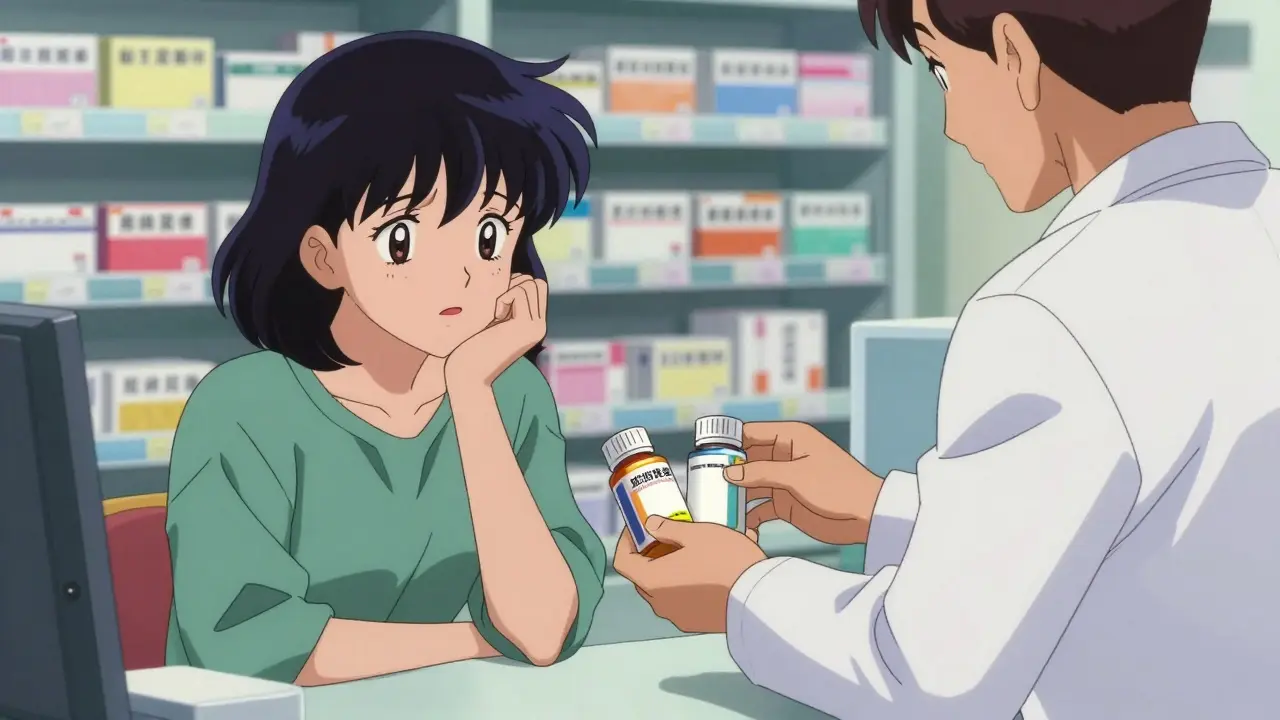
Imagine you’ve been taking a specific brand-name medication for years. You trust it. It works. Then your doctor suggests switching to save money, but the pharmacy hands you a pill that looks slightly different. Or worse, you feel like it isn’t working as well. This is where authorized generics enter the conversation. They are often overlooked, yet they might be the missing link between expensive brand-name drugs and standard generic alternatives that sometimes cause issues.
If you are trying to cut costs without sacrificing the exact formulation of your current medication, understanding authorized generics is crucial. They are not just another type of cheap pill; they are a unique hybrid in the pharmaceutical world. Let’s break down what they are, how they differ from traditional generics, and whether they are right for you.
What Exactly Is an Authorized Generic?
To understand authorized generics, we first need to look at who makes them. Unlike traditional generics, which are produced by third-party companies competing against the original brand, an authorized generic is made by the same company that produces the brand-name drug. Think of it this way: if Brand X is the luxury car, the authorized generic is the exact same car sold under a no-frills dealership label, while a traditional generic is a different manufacturer making a clone that drives similarly but uses different parts.
The Food and Drug Administration (FDA) defines these products under specific regulations. They are approved under the brand-name product’s New Drug Application (NDA). This means the FDA has already reviewed all the data on safety and efficacy for the brand, so the authorized generic doesn’t need to go through the rigorous Abbreviated New Drug Application (ANDA) process that traditional generics do. Because they come from the same source, they contain identical active and inactive ingredients. The only differences are usually the packaging, the label, and perhaps the color or shape of the pill to distinguish it from the branded version.
How Do They Differ From Traditional Generics?
This is the most critical distinction for patients. When a traditional generic is approved, the FDA requires it to be "bioequivalent" to the brand-name drug. Bioequivalence means the drug delivers the same amount of active ingredient into your bloodstream over the same period. However, traditional generics can use different inactive ingredients-fillers, binders, dyes, and preservatives. For most people, these fillers don’t matter. But for some, they can cause allergic reactions, digestive issues, or subtle changes in how the drug absorbs.
Authorized generics bypass this variability entirely. Since they are the brand-name drug in different packaging, every single component matches the original. According to research published in PubMed, authorized generics typically cost 15-20% less than their brand-name counterparts. While this discount might seem smaller than the 80-90% savings offered by traditional generics, the trade-off is consistency. If you have been sensitive to fillers in other generic versions, an authorized generic offers the reliability of the brand with a modest price reduction.
| Feature | Authorized Generic | Traditional Generic |
|---|---|---|
| Manufacturer | Original Brand Company | Third-Party Competitor |
| Active Ingredients | Identical to Brand | Identical to Brand |
| Inactive Ingredients | Identical to Brand | May Differ |
| Approval Path | New Drug Application (NDA) | Abbreviated New Drug Application (ANDA) |
| Cost Savings | ~15-20% off Brand Price | ~80-90% off Brand Price |
| FDA Listing | Not explicitly listed in Orange Book | Listed in Orange Book |
Why Would a Brand Company Sell Its Own Generic?
It sounds counterintuitive. Why would a pharmaceutical giant undercut its own premium product? The answer lies in market strategy and competition laws. Under the Hatch-Waxman Act of 1984, the first generic company to file an ANDA challenging a brand’s patent gets 180 days of exclusive marketing rights. During this window, only that one generic competitor can sell alongside the brand.
Brand companies realized they could enter the generic market themselves before their patents expired or during this exclusivity period. By launching an authorized generic, they keep some revenue flowing even as prices drop. A Federal Trade Commission (FTC) report from 2011 noted that when innovator companies launch authorized generics, prices tend to be 25-30% lower than in markets where no authorized generic competes. This benefits consumers by driving down costs further, even if it complicates the competitive landscape for independent generic manufacturers.

Who Benefits Most From Authorized Generics?
Not everyone needs an authorized generic. For common medications like antibiotics or basic pain relievers, traditional generics are perfectly safe and significantly cheaper. However, certain patient groups find immense value in authorized versions.
The primary beneficiaries are patients taking Narrow Therapeutic Index (NTI) drugs. NTI drugs, such as warfarin (a blood thinner), levothyroxine (for thyroid conditions), or phenytoin (for seizures), have a very small margin between a therapeutic dose and a toxic one. Even tiny variations in how the body absorbs the drug due to different fillers can lead to adverse effects. Dr. Aaron Kesselheim, a professor at Harvard Medical School, has stated that authorized generics offer the most reliable alternative for patients who experience problems with traditional generics due to formulation differences.
If you have tried a traditional generic and experienced side effects, headaches, or fluctuations in your condition control, ask your pharmacist if an authorized generic is available. In some cases, pharmacists may interchange prescriptions automatically unless the prescriber writes "dispense as written." Knowing your options allows you to advocate for the specific formulation that works best for your body.
Availability and Insurance Coverage
One challenge with authorized generics is visibility. They are not always easy to spot. The FDA’s Orange Book, which lists approved drug products, does not specifically highlight authorized generics because they fall under the brand’s NDA. As of recent updates, the FDA has been working on improving transparency, but currently, identification often relies on National Drug Code (NDC) cross-referencing by pharmacy staff.
Only about 15-20% of brand-name drugs have an authorized generic version available. This means you won’t find them for every medication. However, when they are available, insurance coverage is generally favorable. Medicare Part D plans cover authorized generics at generic copay levels in approximately 92% of cases, according to 2023 CMS data. Commercial insurers follow suit in about 78% of cases. This makes them a financially viable option for many, sitting comfortably between the high cost of brands and the potential compatibility issues of some traditional generics.
Common Misconceptions About Authorized Generics
Confusion is common at the pharmacy counter. Some patients worry that an authorized generic is a "watered-down" version of the brand. This is false. It is chemically identical. Another misconception is that they are always cheaper than traditional generics. Usually, they are more expensive than traditional generics but cheaper than the brand. You are paying a premium for the guarantee of identical inactive ingredients.
A 2022 Kaiser Family Foundation study found that 28% of surveyed patients didn’t realize they had received an authorized generic until after purchase, leading to unnecessary anxiety. Communication is key here. Pharmacists are trained to identify these products, but patients should feel comfortable asking, "Is this the brand-name manufacturer's generic, or a third-party generic?"
How to Ask for an Authorized Generic
If you suspect you are sensitive to fillers or want the exact brand formulation at a lower cost, take these steps:
- Check Availability: Ask your pharmacist if an authorized generic exists for your specific medication. Not all brands produce them.
- Review Your Insurance: Confirm that your plan covers authorized generics at the generic tier. Most do, but policies vary.
- Talk to Your Doctor: If you are on a narrow therapeutic index drug, discuss your concerns about traditional generics with your prescriber. They may specify "Dispense as Written" for the brand or authorize the switch to the authorized version.
- Monitor Your Response: If you switch, track any changes in how you feel. With authorized generics, you should expect the same response as the brand, but individual biology can still play a role.
Authorized generics represent a strategic middle ground in the pharmaceutical market. They leverage the brand’s manufacturing quality while offering price relief. While they may not replace traditional generics for the majority of prescriptions, they provide a vital option for those who need absolute consistency in their medication. As the market evolves and transparency improves, expect to see more of these options appearing in pharmacies nationwide.
Are authorized generics safer than traditional generics?
Both authorized and traditional generics are considered safe and effective by the FDA. However, authorized generics are identical to the brand-name drug in both active and inactive ingredients. Traditional generics must be bioequivalent but can use different fillers. For patients sensitive to specific fillers or taking narrow therapeutic index drugs, authorized generics may reduce the risk of adverse reactions caused by formulation differences.
Can I ask my pharmacist for an authorized generic specifically?
Yes. While pharmacists often substitute automatically based on state laws and insurance preferences, you can request a specific version. Ask if an authorized generic is available for your medication. Note that your insurance may have different copays for different generic manufacturers, so verify coverage beforehand.
Why are authorized generics more expensive than traditional generics?
Authorized generics are produced by the brand-name company using the exact same manufacturing process and ingredients. They do not benefit from the economies of scale and simplified regulatory pathways that allow third-party generic manufacturers to produce pills at much lower costs. You are paying for the brand's quality assurance and identical formulation.
Do doctors know about authorized generics?
Many doctors are aware of them, especially specialists dealing with complex conditions requiring narrow therapeutic index drugs. However, general practitioners may focus more on the broad category of "generics." It is helpful to educate your provider if you have had issues with traditional generic substitutions.
Will the FDA list authorized generics separately in the future?
The FDA has initiated efforts to improve transparency regarding authorized generics. While they are currently not distinctly listed in the Orange Book because they share the brand's NDA, initiatives launched in 2023 aim to create clearer identification methods for healthcare providers and patients by 2026.