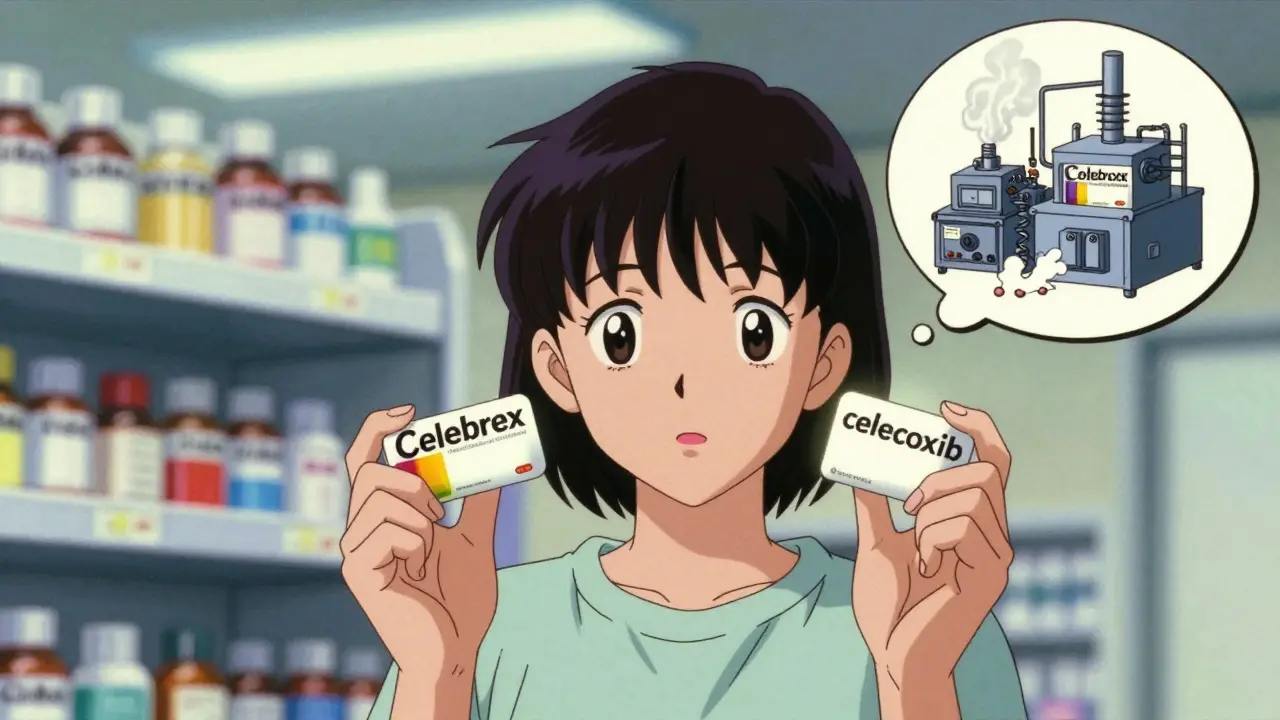
When your doctor prescribes a brand-name drug and your insurance pushes you to switch to a cheaper version, you might be handed a pill that looks totally different. That’s normal. But not all generics are the same. There’s a big difference between an authorized generic and a regular generic - and it can matter more than you think.
What’s an authorized generic?
An authorized generic is the exact same pill as the brand-name drug, just without the brand name on the label. It’s made by the same company, in the same factory, using the same ingredients, down to the last filler and coating. For example, if you take Celebrex, the authorized generic is made by Pfizer using the exact same formula - only the packaging says "celecoxib" instead of "Celebrex." The FDA calls it a "therapeutically identical" copy. No bioequivalence testing is needed because it’s not a copy - it’s the original product with a different label. That’s why authorized generics don’t show up in the FDA’s Orange Book, which lists regular generics. They’re not generics under the law - they’re the brand product in disguise.What’s a regular generic?
Regular generics, on the other hand, are made by different companies. They have the same active ingredient - say, metformin or lisinopril - but they can use different inactive ingredients. That means different binders, dyes, or fillers. These aren’t harmful, but they can change how the drug is absorbed, especially for medications where small differences matter. For drugs like thyroid hormone (levothyroxine), seizure meds (lamotrigine), or blood thinners (warfarin), even tiny changes in how the pill breaks down can cause big problems. One patient on Reddit switched from brand Lamictal to a regular generic and had two seizures in three weeks. Switched back to the authorized generic? Zero issues for over a year.Why does this difference matter?
It comes down to consistency. Authorized generics give you the same experience as the brand - same timing, same side effects, same effectiveness. Regular generics meet FDA standards, but those standards allow up to a 25% difference in how fast the drug enters your bloodstream. For most people, that’s fine. For others, it’s enough to throw off their whole treatment. A 2022 study in Health Affairs found that 18.7% of patients reported problems switching to regular generics - things like stomach upset, feeling "off," or the medication just not working as well. Only 6.2% had issues with authorized generics. The biggest complaints? Gastrointestinal problems, reduced effectiveness, and new side effects. Not because the active ingredient changed - because the rest of the pill did.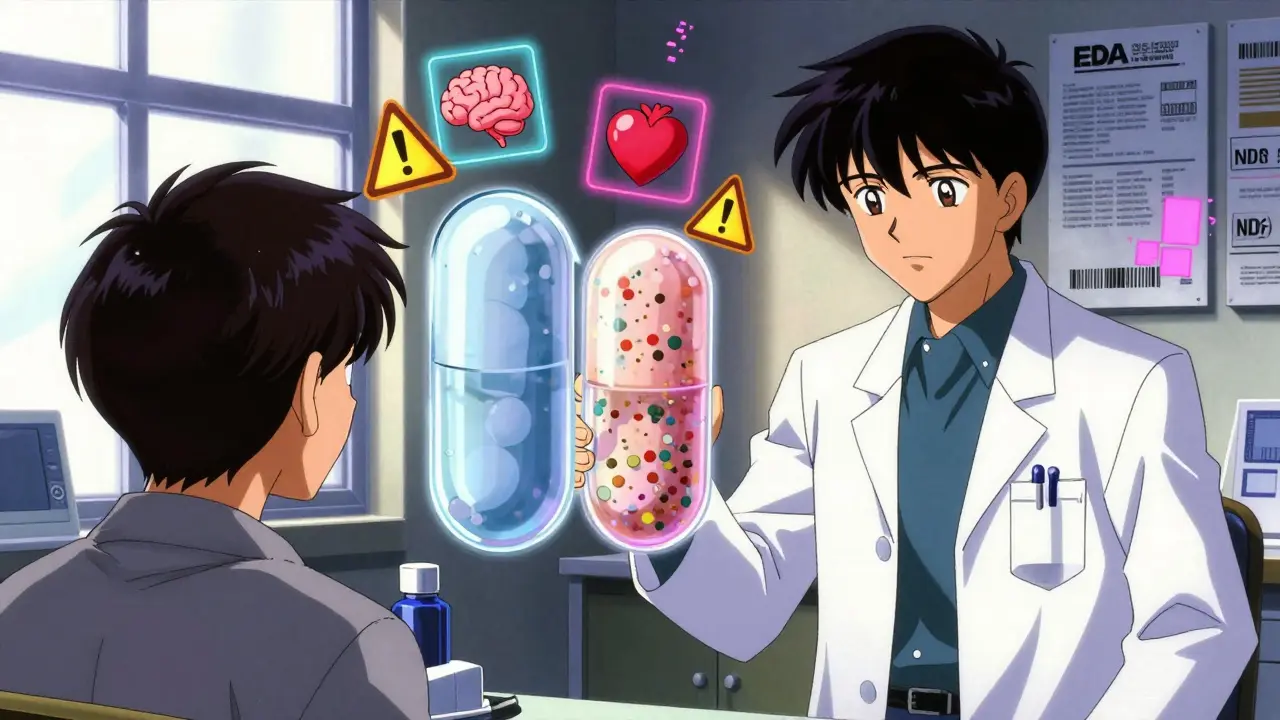
Cost: the trade-off
Here’s the catch: authorized generics aren’t cheap. They’re usually 10-30% cheaper than the brand name, but 5-15% more expensive than regular generics. For example, Concerta (brand) costs about $210 for a 30-day supply. The authorized generic? Around $185. A regular generic? $165. That’s why regular generics make up 92% of all generic prescriptions filled in the U.S. They’re the default because they save the most money. But if you’re on a narrow therapeutic index drug - one where small changes can cause harm - that $20 difference might not be worth the risk.Which drugs should you be careful with?
Not all medications need this level of scrutiny. For statins, blood pressure pills, or antibiotics, regular generics work just fine. But for these, think twice:- Levothyroxine (for thyroid)
- Lamotrigine (for epilepsy)
- Cyclosporine and tacrolimus (for transplant patients)
- Warfarin (blood thinner)
- Phenytoin (seizure control)
- Prograf, Neoral (immunosuppressants)
How to tell them apart at the pharmacy
Most patients can’t tell the difference just by looking at the pill. The label might say "generic" for both. But here’s how to find out:- Ask for the National Drug Code (NDC). Authorized generics share the same NDC as the brand-name drug. Regular generics have a different one.
- Check the manufacturer. If it’s the same company that makes the brand (like Pfizer, Janssen, or Teva), it’s likely an authorized generic.
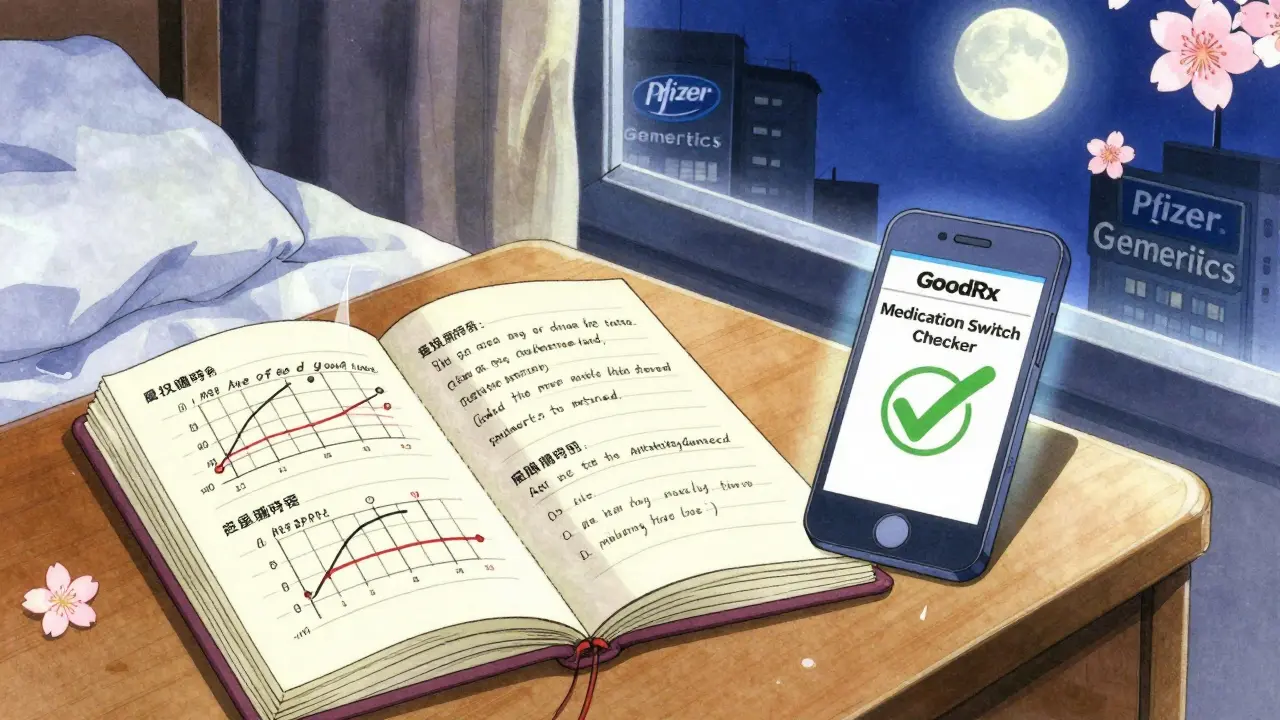
- Use GoodRx’s Medication Switch Checker. It shows you if an authorized generic exists and how much it costs.
What doctors and pharmacists say
Dr. Aaron Kesselheim from Harvard says: "For most drugs, generics are fine. But for thyroid, epilepsy, and transplant meds - the exact formulation matters. Authorized generics are the safest switch." The FDA says inactive ingredients don’t affect safety or effectiveness - but they also admit that "some patients may notice differences." That’s why they’re pushing for clearer labeling starting in January 2024. Authorized generics will now be labeled as such on packaging. Pharmacists can substitute regular generics unless the doctor says "do not substitute." But few patients know they can ask for the authorized version. And not all insurers cover it without prior authorization.What to do if you’re switching
If your insurance is forcing you to switch, here’s your action plan:- Ask your pharmacist: "Is this an authorized generic?"
- If it’s not, ask your doctor to write "Dispense as written" on the prescription.
- If you’re on a high-risk medication, insist on the authorized version - even if it costs more.
- Monitor how you feel for the first two weeks after switching. Keep a journal: sleep, mood, energy, side effects.
- If something feels off, call your doctor. Don’t wait.
Bottom line: It’s not about price - it’s about safety
Regular generics are safe for most people. They’ve helped millions save thousands. But for certain drugs, the difference between the brand and the generic isn’t just about cost - it’s about control. An authorized generic gives you the brand experience at a lower price - without the risk of formulation changes. If you’re on a medication where even small differences can cause harm, don’t settle for "close enough." Ask for the authorized version. It might cost a little more, but it could keep you safe.Are authorized generics as good as brand-name drugs?
Yes. Authorized generics are identical to brand-name drugs in every way - same active and inactive ingredients, same manufacturing process, same factory. The only difference is the label. They’re not copies. They’re the original product sold under a different name.
Can I switch from a brand to a regular generic safely?
For most medications - like statins, blood pressure pills, or antibiotics - yes. But for drugs with narrow therapeutic indices (like thyroid meds, seizure drugs, or immunosuppressants), switching to a regular generic can cause problems. Always check with your doctor before switching if you’re on one of these.
Why are authorized generics more expensive than regular generics?
Because they’re made by the brand-name company and use the same production line. They don’t have the same cost savings as regular generics, which are made by third-party manufacturers using cheaper ingredients and processes. Authorized generics offer consistency, not just low cost.
How do I know if my generic is authorized?
Ask your pharmacist for the National Drug Code (NDC). If it matches the brand-name drug’s NDC, it’s an authorized generic. You can also check the manufacturer - if it’s the same company that makes the brand (like Pfizer or Janssen), it’s likely authorized. GoodRx’s Medication Switch Checker can also help identify them.
Will my insurance cover an authorized generic?
Sometimes. Many plans automatically cover regular generics because they’re cheaper. You may need to request prior authorization for an authorized generic, especially if your doctor says it’s medically necessary. Starting in 2024, Medicare Part D plans are required to inform you about authorized generic options - which should make access easier.
What should I do if I feel worse after switching to a generic?
Don’t ignore it. Keep a symptom journal - note changes in energy, sleep, mood, or side effects. Call your doctor and pharmacist. Ask if you switched to a regular generic and if an authorized version is available. Many patients report improvement after switching back to the authorized version - especially for epilepsy, thyroid, or transplant drugs.
Ken Porter
January 7, 2026 AT 14:00My insurance switched me to a generic for my thyroid med. I felt like garbage for two weeks. Then I asked for the authorized version - same pill, different label. Instantly better. Why do they make us guess?
swati Thounaojam
January 7, 2026 AT 17:19i never knew this!! my mom is on lamotrigine and she kept saying she feels 'off' after switch... now i know why. thank you for sharing!!
Annette Robinson
January 7, 2026 AT 20:37This is such an important post. So many people don’t realize that ‘generic’ doesn’t mean ‘identical.’ For drugs like levothyroxine or warfarin, consistency isn’t a luxury - it’s life-or-death. Please, if you’re on one of these, don’t just accept whatever the pharmacy gives you. Ask. Advocate. Your body deserves that.
Luke Crump
January 9, 2026 AT 00:19Oh wow. So the FDA says inactive ingredients don’t matter… but then admits patients notice differences? That’s like saying ‘the engine’s fine, but the steering wheel feels weird - you’re just sensitive.’ This isn’t science - it’s corporate convenience dressed up as regulation. We’re guinea pigs for profit margins.
Kristina Felixita
January 9, 2026 AT 03:48OMG I just switched my dad to a generic for his transplant med and he’s been dizzy and nauseous for days... I had NO IDEA there was a difference between generics!! I’m calling his pharmacist right now. Thank you for this!!
Joanna Brancewicz
January 10, 2026 AT 00:58Therapeutic equivalence is a legal construct, not a pharmacological one. Authorized generics eliminate formulation variability - a critical variable in narrow TI drugs. Regular generics introduce pharmacokinetic noise. That’s not anecdotal - it’s measurable.
Evan Smith
January 10, 2026 AT 02:09So… you’re telling me I could’ve been saving $20 a month… but my brain might’ve been on vacation? Yeah, I’ll take the $20 hit. My seizures aren’t negotiable.
Lois Li
January 11, 2026 AT 07:43I’ve been on cyclosporine for 12 years. I’ve switched generics three times. Each time, my levels went haywire. I had to get a new prescription every time. I wish I’d known about authorized generics sooner. Now I insist on it - even if it takes three calls to my insurance. Worth it.
christy lianto
January 12, 2026 AT 02:48My sister’s on Lamictal. She went from zero seizures to two in a week after switching to a regular generic. She almost died. Now she only takes the authorized version. I don’t care if it costs $50 more - I’d pay $500. This isn’t about money. It’s about not losing someone.
Prakash Sharma
January 12, 2026 AT 16:47Why are Americans so obsessed with pills? In India, we take medicines as they come - brand or generic. If it works, it works. Stop overcomplicating. Your body isn’t a lab experiment.
Molly Silvernale
January 13, 2026 AT 23:42It’s not just about chemistry - it’s about identity. That little pill you swallow every morning? It’s part of your rhythm, your ritual. When the color changes, the shape changes, the taste changes… your brain doesn’t know it’s the same thing. And sometimes - your body doesn’t either. The label isn’t just ink. It’s trust.
Manish Kumar
January 15, 2026 AT 15:39Let’s think deeper here. The entire pharmaceutical system is built on the illusion of equivalence. We’ve been conditioned to believe that molecules are everything - but what about the soul of the medicine? The history of its creation? The hands that made it? An authorized generic isn’t just chemically identical - it carries the legacy of the original formulation. It’s not a copy. It’s a continuation. And in a world of fragmentation, continuity is sacred.
Aubrey Mallory
January 16, 2026 AT 03:48My doctor didn’t even mention this when I switched. I had to find this out on my own. Why isn’t this standard info? Pharmacists aren’t required to explain the difference. Patients are left guessing. This needs to change. Now.
Dave Old-Wolf
January 17, 2026 AT 04:30I had no idea the NDC could tell me this. I just checked my last prescription - it’s an authorized generic. I didn’t even know to look. Thanks for teaching me how to read my own pill bottle.
Donny Airlangga
January 17, 2026 AT 23:54My mom’s on warfarin. She switched to a regular generic and her INR went from 2.4 to 4.1 in a week. She ended up in the ER. Now we only use the authorized version. I wish someone had told us this before she almost bled out.