Antibiotic-Warfarin Interaction Risk Checker
Result
--
Interaction LevelMechanism:
--
INR Spike Timeline:
Visual estimate of when INR effects typically peak based on current day.
--
Recommended Action:
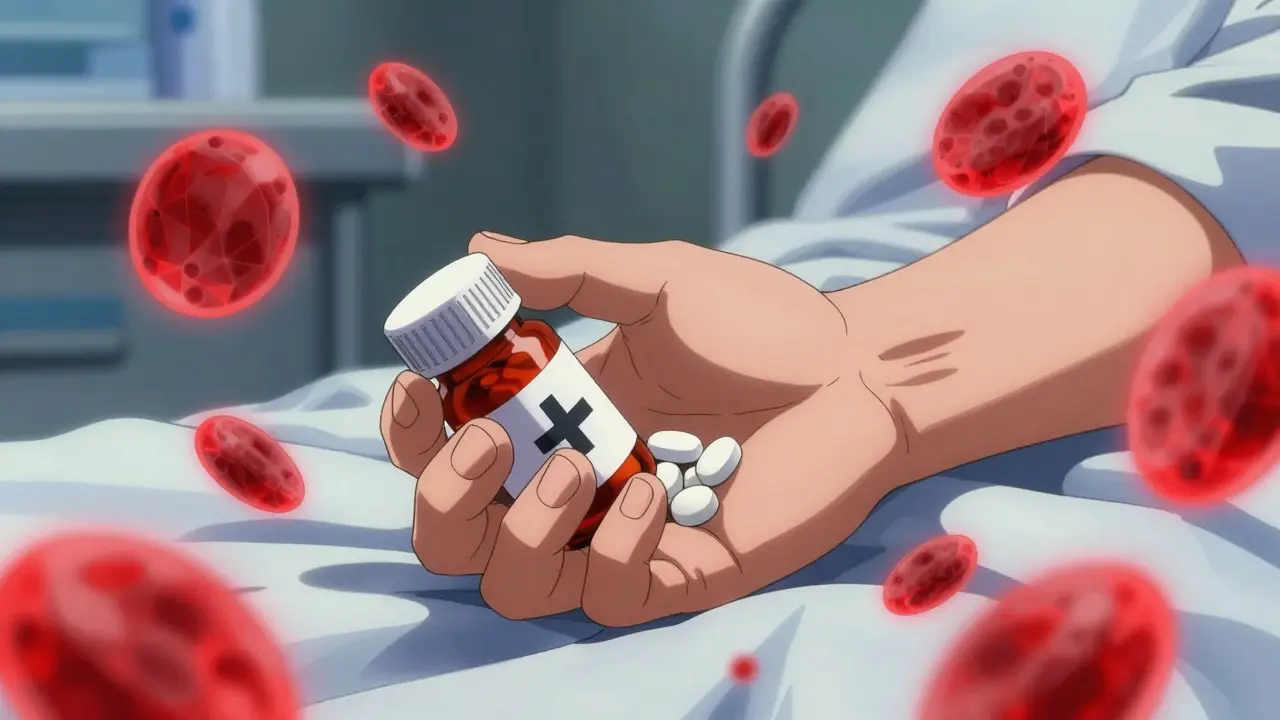
Imagine you are taking Warfarin, a blood thinner that saves your life by preventing dangerous clots. You catch a cold or get an infection, and your doctor prescribes a common course of antibiotics. It seems harmless enough. But within days, your body’s chemistry shifts in ways you cannot see. Your International Normalized Ratio (INR) spikes. The risk of major bleeding jumps significantly. This is not a rare side effect; it is one of the most clinically significant drug-drug interactions in modern medicine.
For anyone managing anticoagulation therapy, understanding how antibiotic effects on warfarin work is not just academic-it is a matter of safety. Antibiotics account for approximately 15-30% of warfarin-related adverse events that require hospitalization. In this guide, we break down exactly why this happens, which antibiotics carry the highest risk, and how you can manage your INR levels to stay safe during treatment.
Why Do Antibiotics Interfere With Warfarin?
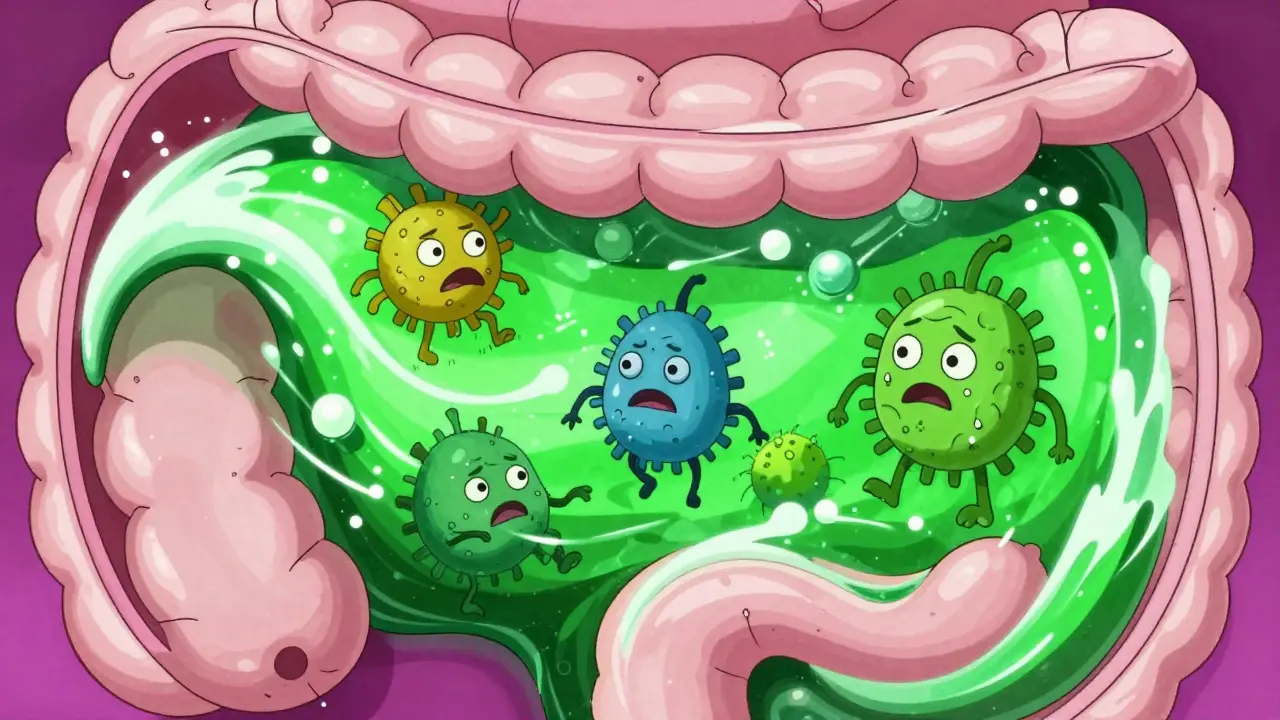
To understand the danger, we need to look at how your body processes warfarin. Warfarin works by blocking vitamin K, which your body needs to make clotting factors. However, your body does not produce all its own vitamin K. About 10-15% comes from the bacteria living in your gut-specifically species like Bacteroides, Eubacterium, and Enterobacter.
When you take broad-spectrum antibiotics, you kill these helpful bacteria along with the bad ones. This sudden drop in gut flora means less vitamin K production. With less vitamin K available, warfarin becomes more potent, causing your INR to rise. This effect typically kicks in 5 to 7 days after starting the antibiotic and can persist for up to 10 days after you stop taking it.
There is a second, faster mechanism at play. Warfarin is metabolized by liver enzymes, primarily a group called Cytochrome P450 (CYP). Specifically, the more potent S-warfarin isomer is broken down by the enzyme CYP2C9. Certain antibiotics act as inhibitors of this enzyme. When CYP2C9 is blocked, warfarin stays in your bloodstream longer and at higher concentrations. This pharmacokinetic interaction can raise your INR within 48 to 72 hours, creating a rapid spike in bleeding risk before the gut flora issue even fully develops.
High-Risk Antibiotics: What to Watch For
Not all antibiotics affect warfarin equally. Some are notorious for causing dramatic INR spikes, while others have minimal impact. Knowing which class you are prescribed helps you anticipate the reaction.
| Antibiotic Class | Common Examples | Mechanism of Interaction | Risk Level |
|---|---|---|---|
| Fluoroquinolones | Ciprofloxacin, Levofloxacin | CYP2C9 inhibition + Gut flora disruption | High (2.1-fold increased bleeding risk) |
| Sulfonamides | Sulfamethoxazole/Trimethoprim (Bactrim) | Strong CYP2C9 inhibition | Very High (Mean INR increase ~1.8 units) |
| Macrolides | Erythromycin, Azithromycin | CYP3A4/CYP2C9 inhibition | Moderate to High (Erythromycin: 2.3-fold risk) |
| Cephalosporins | Cefotetan, Cefoperazone, Amoxicillin/Clavulanate | Gut flora depletion (Vitamin K reduction) | Moderate (1.9-fold increased risk) |
| Rifamycins | Rifampin | CYP Enzyme Induction (Opposite effect) | High (Causes INR drop, clot risk) |
| Nitrofurantoin | Fosfomycin | Minimal metabolic interaction | Low |
Ciprofloxacin is perhaps the most commonly cited offender. Studies show patients receiving ciprofloxacin experienced mean INR increases from 2.5 to 4.1 within just seven days. An INR above 4.0 carries a 4 to 8 times higher risk of major bleeding compared to therapeutic levels. Similarly, Bactrim (sulfamethoxazole/trimethoprim) consistently elevates INR, often requiring significant dose adjustments. On the other end of the spectrum, rifampin does the opposite: it induces liver enzymes, speeding up warfarin metabolism and dropping INR levels dangerously low, which increases the risk of blood clots rather than bleeding.
Timing Is Everything: The Interaction Timeline
Understanding when the interaction peaks helps you monitor effectively. The timeline differs based on the mechanism:
- CYP Enzyme Inhibition (Fast): Drugs like Bactrim and fluoroquinolones inhibit liver enzymes quickly. You may see an INR rise within 48 to 72 hours of starting the antibiotic. This effect resolves relatively fast, usually within 72 hours of stopping the antibiotic.
- Gut Flora Depletion (Slow): Antibiotics like cephalosporins and amoxicillin/clavulanate take time to wipe out vitamin K-producing bacteria. The INR spike here typically manifests 5 to 7 days into the course. Crucially, because it takes time for healthy bacteria to repopulate, the elevated INR can persist for 7 to 10 days after you finish the antibiotic.
This delay is where many patients get caught off guard. They feel fine after finishing their pills, but their INR is still climbing. Data from Medicare studies shows that bleeding risk actually peaks between days 8 and 14 of antibiotic therapy, supporting the need for continued monitoring well after the prescription ends.

Management Strategies: Protecting Yourself
You do not have to guess how your body will react. Clinical guidelines from the American College of Chest Physicians (ACCP) provide clear protocols for managing this interaction. Here is how you should approach antibiotic therapy while on warfarin:
- Pre-emptive Communication: Always tell any prescribing doctor or dentist that you are on warfarin. Ask if there is a lower-risk alternative antibiotic, such as nitrofurantoin for urinary tract infections, which has minimal interaction.
- Proactive Dose Adjustment: For high-risk antibiotics like fluoroquinolones or Bactrim, some clinicians recommend reducing the warfarin dose by 20-30% at the start of antibiotic therapy. Do not do this without explicit instruction from your anticoagulation provider.
- Frequent Monitoring: The ACCP recommends testing your INR within 72 hours of starting antibiotics. If you are on a high-risk drug, check it every 2-3 days. Continue monitoring twice weekly until the antibiotic course is complete and for at least one week after.
- Watch for Symptoms: Be vigilant for signs of bleeding. These include unusual bruising, nosebleeds that won’t stop, blood in urine or stool (black, tarry stools), coughing up blood, or prolonged bleeding from minor cuts.
If you notice any of these symptoms, contact your anticoagulation clinic immediately. Do not wait for your next scheduled appointment. Early intervention can prevent a minor bleed from becoming a medical emergency.
The Role of Genetics and Future Care
Individual responses to these interactions vary wildly. Why does one patient’s INR jump to 6.0 with ciprofloxacin while another’s barely moves? Genetics plays a huge role. Variants in the CYP2C9 gene (such as CYP2C9*2 and *3) can make you 2.4 times more sensitive to INR increases during antibiotic therapy. While routine genetic testing is not yet standard practice everywhere, emerging trials like the WARF-GEN study suggest that genotype-guided dosing could reduce antibiotic-associated INR instability by over 40%.
In the meantime, pharmacist-managed care has proven effective. Data indicates that having a pharmacist oversee warfarin adjustments during antibiotic co-administration reduces bleeding complications by 37% compared to physician-only management. If you have access to an anticoagulation clinic with pharmacy support, utilize it.
Can I take amoxicillin with warfarin?
Yes, but with caution. Amoxicillin, especially when combined with clavulanate, disrupts gut bacteria that produce vitamin K. This can cause your INR to rise, though usually less dramatically than with drugs like Bactrim. You should monitor your INR closely, typically checking it 5-7 days after starting the antibiotic and again after finishing the course.
Which antibiotic is safest to take with warfarin?
Nitrofurantoin and fosfomycin are generally considered the safest options as they have minimal interaction with warfarin metabolism or gut flora. Macrolides like azithromycin also pose a lower risk compared to erythromycin or clarithromycin. Always consult your doctor to choose the most appropriate antibiotic for your specific infection.
How long does the interaction last after stopping antibiotics?
It depends on the mechanism. CYP enzyme inhibition effects resolve within 72 hours of stopping the drug. However, gut flora depletion effects can persist for 7 to 10 days after discontinuation. Therefore, you should continue monitoring your INR for at least one to two weeks after finishing your antibiotic course.
What should I do if my INR spikes while on antibiotics?
Contact your healthcare provider immediately. Depending on the INR level and presence of bleeding, they may advise holding one or more doses of warfarin, administering vitamin K, or adjusting your subsequent doses. Never adjust your warfarin dose on your own without professional guidance.
Does rifampin increase or decrease warfarin effectiveness?
Rifampin decreases warfarin effectiveness. It is a potent inducer of liver enzymes, causing your body to metabolize warfarin much faster. This leads to a drop in INR, increasing the risk of blood clots. Patients on rifampin often require a 50-100% increase in their warfarin dose to maintain therapeutic levels.