
Antibiotic Need Calculator
Check if Antibiotics Are Necessary
Based on CDC guidelines, determine if antibiotics are medically necessary for your symptoms. Learn about risks of unnecessary use.
Your Symptoms
Results
Select your symptoms and click 'Calculate Risk' to see your results.
Unnecessary antibiotic use risks:
- 30% of outpatient prescriptions are unnecessary
- 1 in 10 people develop C. diff when antibiotics aren't needed
- Costs $11,000 per case in hospital expenses
Every year, millions of people in the U.S. get antibiotics they don’t need. And every time that happens, their risk of serious side effects goes up-not just for them, but for everyone around them. Antibiotic stewardship isn’t just a hospital policy or a buzzword. It’s the simple, proven practice of using antibiotics only when they’re truly necessary, at the right dose, for the right amount of time. When done right, it doesn’t just slow down superbugs. It keeps patients out of the hospital with life-threatening diarrhea, allergic reactions, and organ damage caused by drugs meant to help.
Why Antibiotics Cause Harm When Used Wrong
Antibiotics don’t just kill bad bacteria. They wipe out the good ones too. Your gut is full of trillions of helpful microbes that keep your immune system balanced, digest your food, and block harmful invaders. When you take an antibiotic unnecessarily-say, for a cold or a viral sore throat-those good bacteria get wiped out. That creates a vacuum. And one of the first opportunistic invaders to move in? Clostridioides difficile, or C. diff. C. diff doesn’t just cause diarrhea. It can lead to severe colitis, organ failure, and death. The CDC says at least 30% of outpatient antibiotic prescriptions are unnecessary. And for every 10 people given antibiotics they don’t need, one will develop C. diff. Hospitalized patients are at even higher risk. Studies show inappropriate antibiotic use increases C. diff risk by 7 to 10 times. That’s not a small side effect. It’s a preventable medical emergency. Other side effects are just as real. Allergic reactions-from rashes to anaphylaxis-happen more often when antibiotics are overused. Kidney and liver damage from prolonged or high-dose use is common in older adults. And then there’s the long-term cost: antibiotic resistance. When bacteria survive repeated exposure to drugs, they evolve. That means the next time you or your child really needs an antibiotic, it might not work.What Antibiotic Stewardship Actually Does
Antibiotic stewardship is a set of actions designed to make sure antibiotics are used only when they’ll actually help. It’s not about withholding treatment. It’s about getting it right. The CDC’s Core Elements framework lays out the basics: a team of experts (usually an infectious disease doctor and a clinical pharmacist), tracking how antibiotics are used, and giving feedback to doctors who prescribe them. One common tactic? Prospective audit and feedback. A pharmacist reviews every antibiotic order in the hospital and calls the doctor if the drug, dose, or duration looks off. Maybe the patient has a viral infection. Maybe the antibiotic is too broad. Maybe they’ve been on it for 10 days when five would’ve been enough. Another powerful tool is biomarker testing. Procalcitonin is a blood test that rises only during bacterial infections, not viral ones. When doctors use it to decide whether to start antibiotics, they reduce unnecessary prescriptions by up to 40%. One study showed patients got antibiotics for 1.6 to 3.5 fewer days without any increase in complications. That’s fewer side effects, faster recoveries, and less chance of resistance. In intensive care units-where 50-70% of all hospital antibiotics are used-stewardship has cut C. diff rates by 25-30%. At Nebraska Medicine, their program led to a 32% drop in C. diff cases after just two years. That’s not luck. That’s science.How It Works Outside the Hospital
Most people think stewardship is only for hospitals. But 47 million unnecessary antibiotic prescriptions are written every year in doctor’s offices and ERs. That’s where the real damage happens. In outpatient settings, stewardship means training doctors to resist pressure. Parents demand antibiotics for ear infections-even when guidelines say watchful waiting is better. Patients with bronchitis expect pills because they’ve gotten them before. Stewardship programs give doctors tools to say no confidently. Electronic health record alerts, clinical decision support, and peer prescribing data help. When doctors see how their antibiotic rates compare to their colleagues’, they change. One study found that when providers received monthly reports comparing their prescribing habits to local benchmarks, inappropriate antibiotic use dropped by 20%. Rapid diagnostics are also making a difference. New molecular tests can tell if a sore throat is strep or just a virus in under an hour. That means no more guessing. No more “just in case” prescriptions. One 2022 study showed pneumonia patients who got rapid testing took antibiotics for 2.1 fewer days on average. Fewer days = fewer side effects.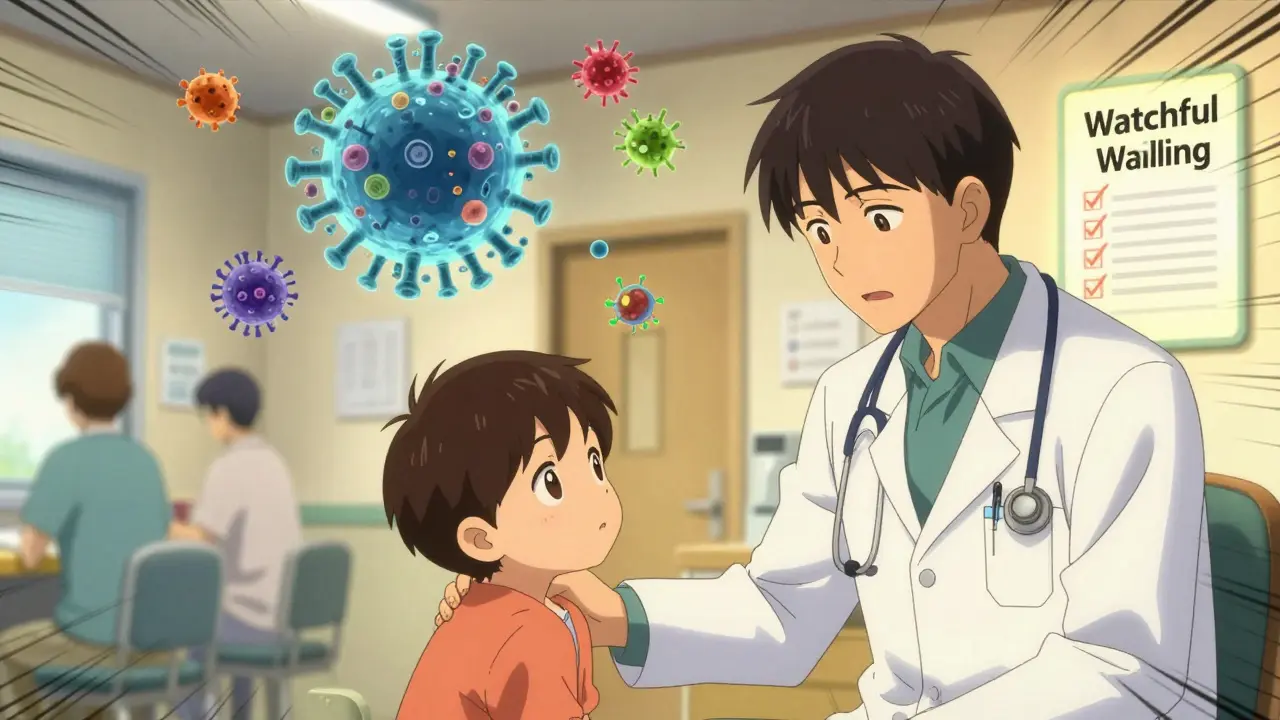
The Real Cost of Not Doing It
The price of ignoring stewardship isn’t just medical. It’s financial. And human. C. diff infections cost the U.S. healthcare system over $1 billion annually. Each case adds an average of $11,000 in extra hospital costs. Antibiotic resistance makes infections harder to treat, requiring longer hospital stays, more expensive drugs, and sometimes surgery. The CDC estimates 35,000 people die each year in the U.S. from antibiotic-resistant infections. That’s more than HIV/AIDS or liver disease. And it’s not just hospitals. Long-term care facilities, where 48% still lack formal stewardship programs, are hotspots for resistant infections. Elderly patients on long-term antibiotics are at high risk for C. diff, kidney failure, and drug interactions. Many don’t even know they’re being overmedicated. The good news? The tide is turning. In 2014, only 40% of U.S. hospitals had stewardship programs. By 2023, that number jumped to 88%. The Joint Commission now requires it for accreditation. Insurance companies and government payers are starting to tie reimbursement to antibiotic use metrics. The global market for stewardship tools is projected to hit $1.8 billion by 2027.What Needs to Change
Even with progress, big gaps remain. Many small clinics still don’t have access to pharmacists or diagnostic tools. Doctors are overwhelmed. Patients are misinformed. And fear still drives prescribing. One major barrier? Fear of missing something. A doctor in the ICU might give a broad-spectrum antibiotic to a critically ill patient because they’re afraid of missing a rare infection. But that’s exactly what leads to resistance and side effects. Stewardship doesn’t mean skipping antibiotics. It means choosing the right one. Narrow-spectrum drugs are safer. Shorter courses are better. And sometimes, the best treatment is no treatment at all. Training matters too. Pharmacists who specialize in stewardship need at least 40 hours of focused education in antibiotic pharmacology, microbiology, and clinical decision-making. Infectious disease doctors need to lead these programs-not just advise them. And hospitals need to invest in the right people. The CDC says you need at least 1.5 full-time staff members per program: one ID physician and one clinical pharmacist. That’s not expensive compared to the cost of treating one C. diff case.
What You Can Do
You don’t need to be a doctor to help. Here’s how you can protect yourself and others:- Ask: “Is this antibiotic really necessary?” If you have a cold, cough, or flu, antibiotics won’t help.
- Ask: “What’s the shortest course that will work?” Many infections clear up in 5 days-not 10.
- Never save leftover antibiotics for next time. They won’t work the same way again, and they can cause resistance.
- Ask your pharmacist: “What side effects should I watch for?”
- If you’re hospitalized, ask if your antibiotics are being reviewed daily.
What’s Next
The future of stewardship is smarter, faster, and more connected. Artificial intelligence is being tested to predict which patients are most likely to benefit from antibiotics-or to avoid them. Real-time lab data is being linked to electronic records to guide decisions at the point of care. And public education campaigns are finally starting to change the culture: antibiotics aren’t candy. They’re precision tools. The World Health Organization calls stewardship one of the three pillars of fighting antimicrobial resistance-along with infection control and patient safety. Without it, we could face 10 million deaths a year globally by 2050. That’s not a prediction. It’s a warning. The solution isn’t complicated. It’s simple: use antibiotics only when they’re needed. For the right bug. At the right dose. For the right time. That’s not just good medicine. It’s the only way to keep antibiotics working for the next generation.Are antibiotics always needed for bacterial infections?
Not always. Some bacterial infections, like mild sinusitis or ear infections in children, can resolve on their own without antibiotics. Watchful waiting is often recommended when symptoms are mild and not worsening. Antibiotics are most critical when infections are severe, spreading, or in patients with weakened immune systems. Stewardship programs help doctors decide when to wait and when to treat.
Can antibiotic stewardship reduce C. diff infections?
Yes, significantly. Studies show hospital-based stewardship programs reduce C. diff rates by 25-30%. This happens because fewer antibiotics mean less disruption to gut bacteria, making it harder for C. diff to take hold. Programs that shorten antibiotic duration and avoid broad-spectrum drugs have the strongest impact.
Do I need to see an infectious disease doctor to get proper antibiotic care?
Not necessarily. Most routine infections are handled well by primary care providers. But in complex cases-like hospital-acquired infections, treatment failures, or patients with multiple health issues-an infectious disease specialist can help choose the safest, most effective antibiotic. Stewardship teams often include these specialists to guide complex decisions.
What are the most common side effects of unnecessary antibiotics?
The most common are gastrointestinal: diarrhea, nausea, vomiting, and C. diff infection. Allergic reactions like rashes or anaphylaxis are also frequent. Long-term use can damage kidneys or liver, especially in older adults. Antibiotics can also disrupt the microbiome in ways that may contribute to obesity, asthma, and autoimmune conditions over time.
Why aren’t all doctors using stewardship practices?
Many lack access to resources like clinical pharmacists, rapid diagnostics, or electronic decision tools. Others face pressure from patients who expect antibiotics. Some are unaware of updated guidelines. Fear of missing a serious infection also leads to overprescribing. Stewardship requires training, time, and institutional support-all of which are still unevenly available.
How long does it take to see results from an antibiotic stewardship program?
Improvements in prescribing habits can show up in 3-6 months, but meaningful reductions in side effects like C. diff usually take 12-24 months. Sustainable change requires ongoing education, feedback, and monitoring. Programs that combine clinical tools with staff training and patient education see the best long-term results.
Can antibiotic stewardship save money?
Yes. A 2019 review of 28 U.S. hospitals found stewardship programs reduced adverse drug events by 21.5% and saved an average of $100,000 per year per hospital. Reducing unnecessary antibiotics cuts costs for drugs, lab tests, and hospitalizations-especially for C. diff, which costs over $11,000 per case on average.
Natalie Koeber
December 15, 2025 AT 00:26Wade Mercer
December 15, 2025 AT 13:59Edward Stevens
December 15, 2025 AT 19:23Daniel Thompson
December 16, 2025 AT 21:35Alexis Wright
December 17, 2025 AT 15:46Daniel Wevik
December 19, 2025 AT 08:12Rich Robertson
December 19, 2025 AT 22:24Thomas Anderson
December 19, 2025 AT 23:55Dwayne hiers
December 21, 2025 AT 03:22Jonny Moran
December 22, 2025 AT 14:54Sarthak Jain
December 22, 2025 AT 21:48Tim Bartik
December 23, 2025 AT 05:19Sinéad Griffin
December 23, 2025 AT 10:33jeremy carroll
December 24, 2025 AT 23:48